


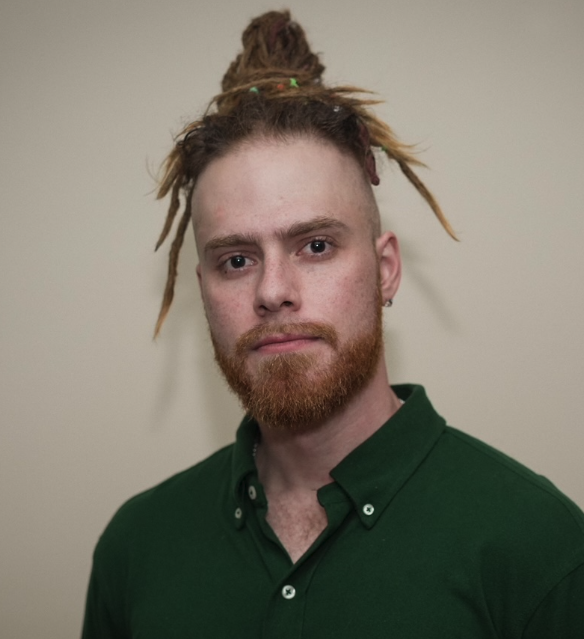

The work of Gomeroi photographer Barbara McGrady is currently on display at Chau Chak Wing Museum in an extraordinary new exhibition.
Upon entering the Mezzanine at the Chau Chak Wing Museum, one is immediately drawn to McGrady's self-portrait.
The image, taken at the iconic Glebe landmark, Badde Manors cafe, reflects her in a mirror, making it an unmistakable focal point.
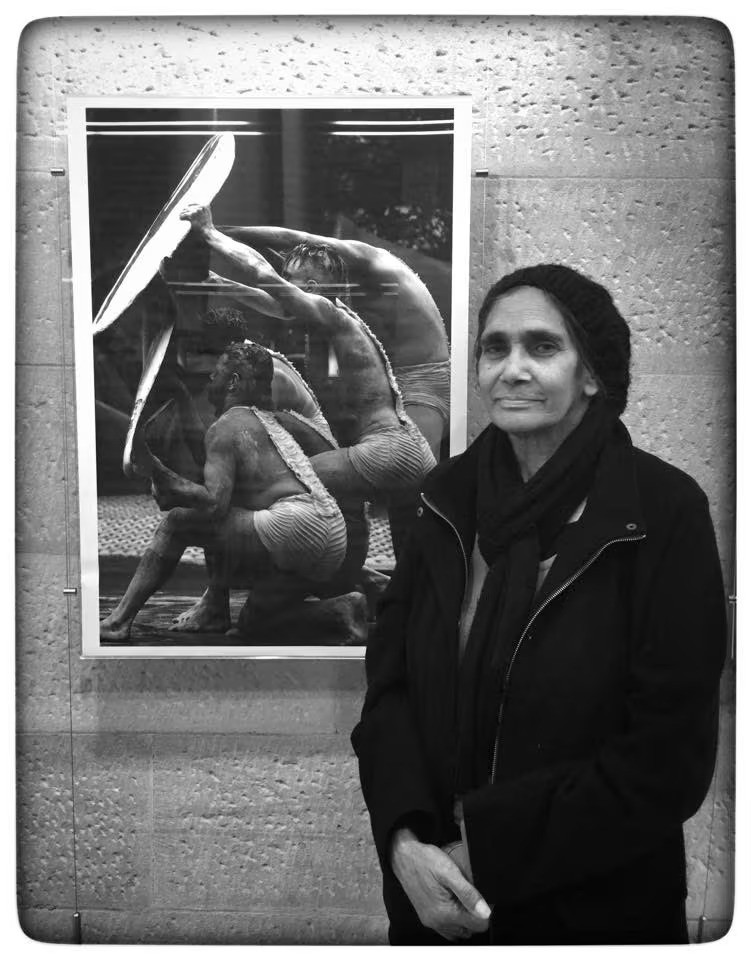
The exhibition guides visitors through Barbara's journey, beginning with her modest beginnings and a chemist camera.
It leads to her award-winning collection, rich with notable names, places, and significant events.
"I hope that when people look at my images, they see what deadly people we are and always have been," McGrady said.
"I was always interested in photography, and of course I was the family photographer and things like that.
"It's not really a career, it's just something I've always done. And if people paid me for it, well, I must be doing it right."
In the "Australia has a Black History" exhibit, McGrady's celebrated works pay tribute to her connections with First Nations sports icons such as Anthony Mundine and Ash Barty.
"Lots of Rugby Leage and AFL, of course. I have always been into rugby league. My father played rugby league in the 1920s," she said.
"But also lots of big, big rallies and big protests, lots of big conferences."
Beyond the realm of sports, the exhibit also portrays pivotal moments when Indigenous people were compelled to take a stand.
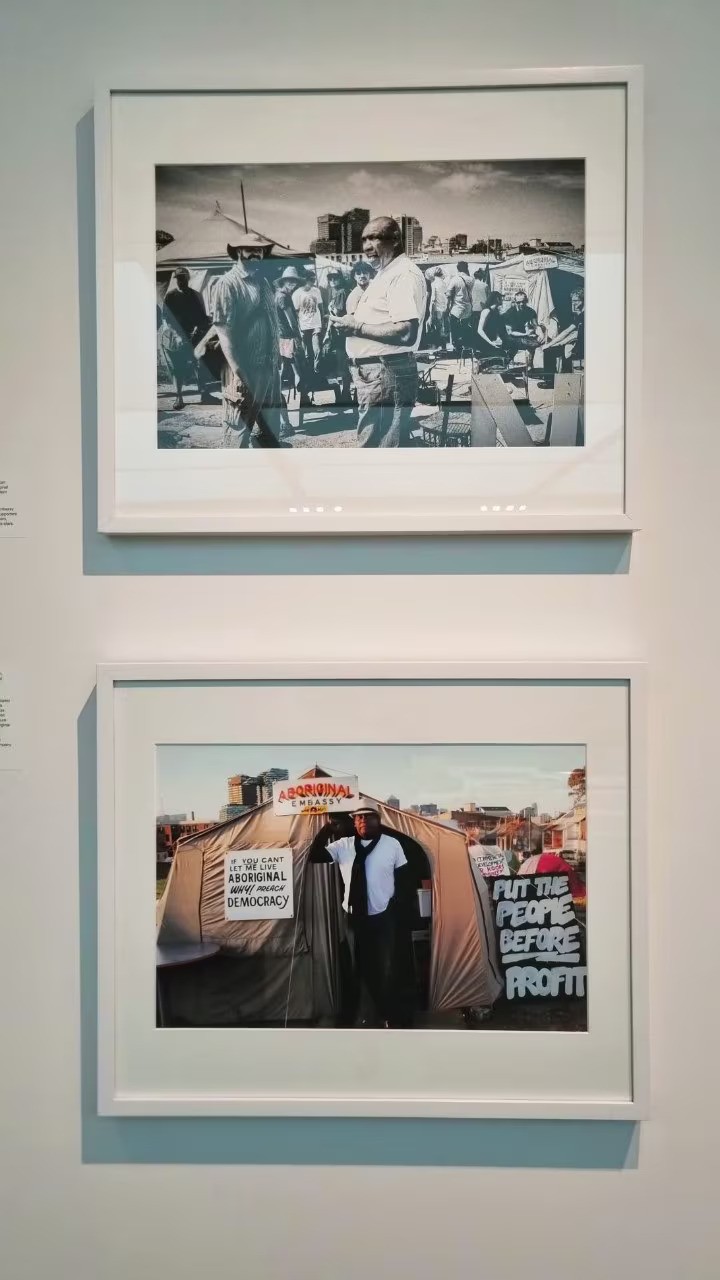
Themes intertwine within the exhibit, as seen in an image featuring the late retired boxer Wally Carr, expressing solidarity at the Aboriginal Tent Embassy in Redfern—a significant gathering point for activists and protesters.
"The late Wally Carr was an old friend as well as a local Redfern identity, so it was good to see him at the Redfern Tent Embassy at The Block," McGrady said.
"It was an incredible two years of bearing witness and photographing the protest for better outcomes for Indigenous people."
McGrady's influence extends to crucial historical moments, capturing the essence of events such as the Closing the Gap rallies in Redfern, the Black Lives Matter protests in Martin Place, and the fearless Grandmothers Against Removalists group staging outside Parliament House.
"I'm an old activist from a long time ago," she explained.
"Actually, I stood up for everyone, not just all Aboriginal people, but for the underdogs all the time. So I suppose it stemmed from there."
Lily Thomas-McKnight, the exhibition curator and current University of Sydney student, explored the relationships in Barbara's archive when she began bringing the exhibition to life.
"When we had the photos, we thought it would be best to categorise them, even if they all still kind of overlap," she said.
"Yeah, all of it pretty much relates to community and the importance of empowering First Nations people."
Thomas-McKnight also highlighted the emotional depth of Barbara's photographs.
"Aunty Barbara knows most of the subjects and the photos personally. So it just brings it to another level."
'Barbara McGrady: Australia Has a Black History' is open until 10 June 2024 on level 4 of the Chau Chak Wing Museum.



