




First Nations Economics announced the recipients of the 2026 Leah Armstrong Scholarship on Tuesday, recognising emerging First Nations women pursuing studies in economics, finance, and business.
The Leah Armstrong Scholarship is a powerful initiative led by First Nations Economics which supports First Nations women pursuing careers in economics, finance, business, or community governance.
Valued at up to $20,000 per year for three years, the scholarship is dedicated to driving social, cultural, and economic prosperity for First Peoples.
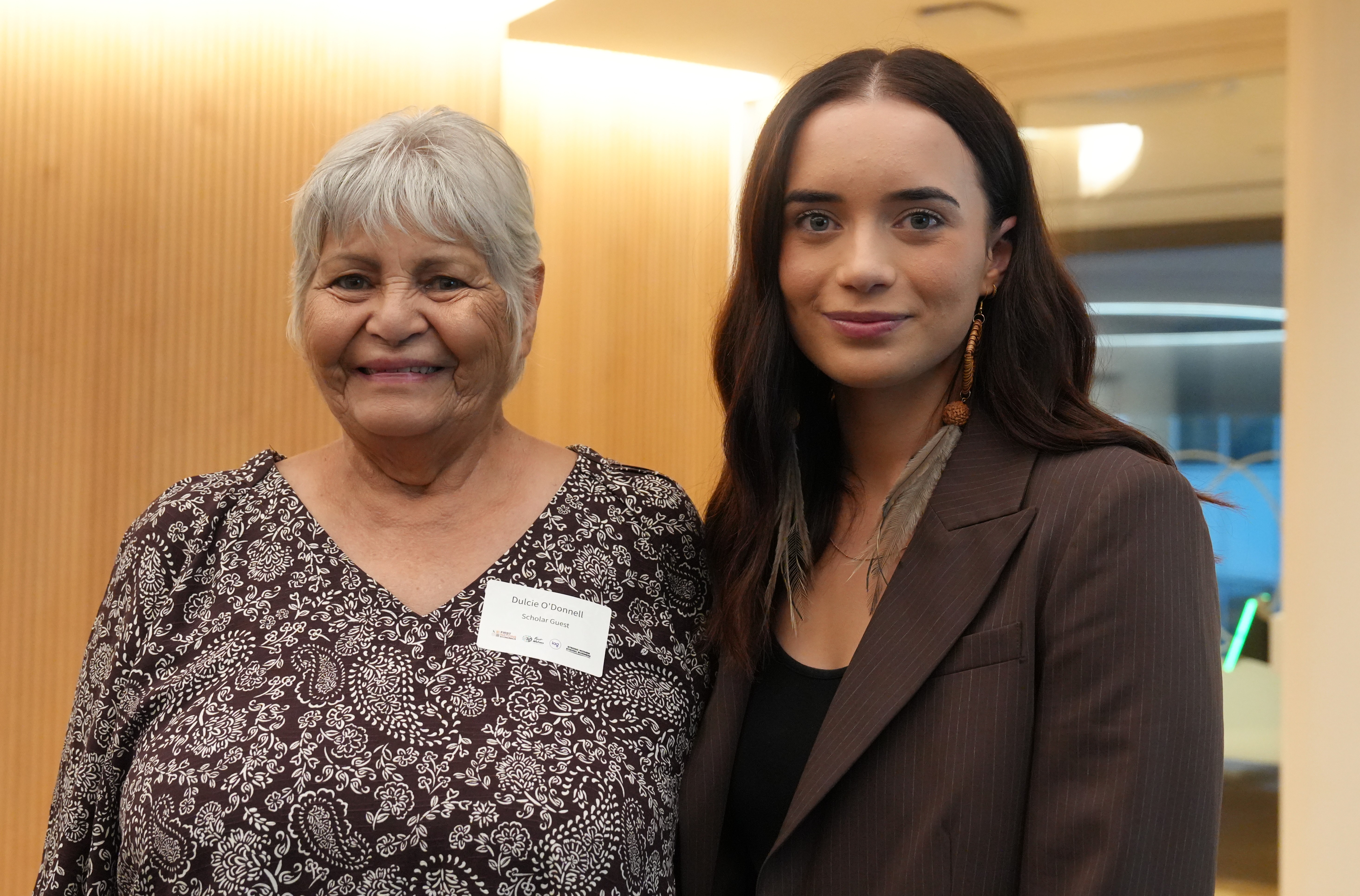
"This scholarship is really special to me, because it carries such a strong and meaningful and important purpose," proud Torres Strait Islander woman and Scholarship patron, Leah Armstrong, said.
"It's about building a future where more Indigenous women are leading, influencing and reshaping the economic story in our communities and in our country, and that is what makes this scholarship so important.
"It is an investment not only in the individual, but in a bigger future, one where Indigenous women are increasingly present, powerful and respected in the places where economic decisions are made."
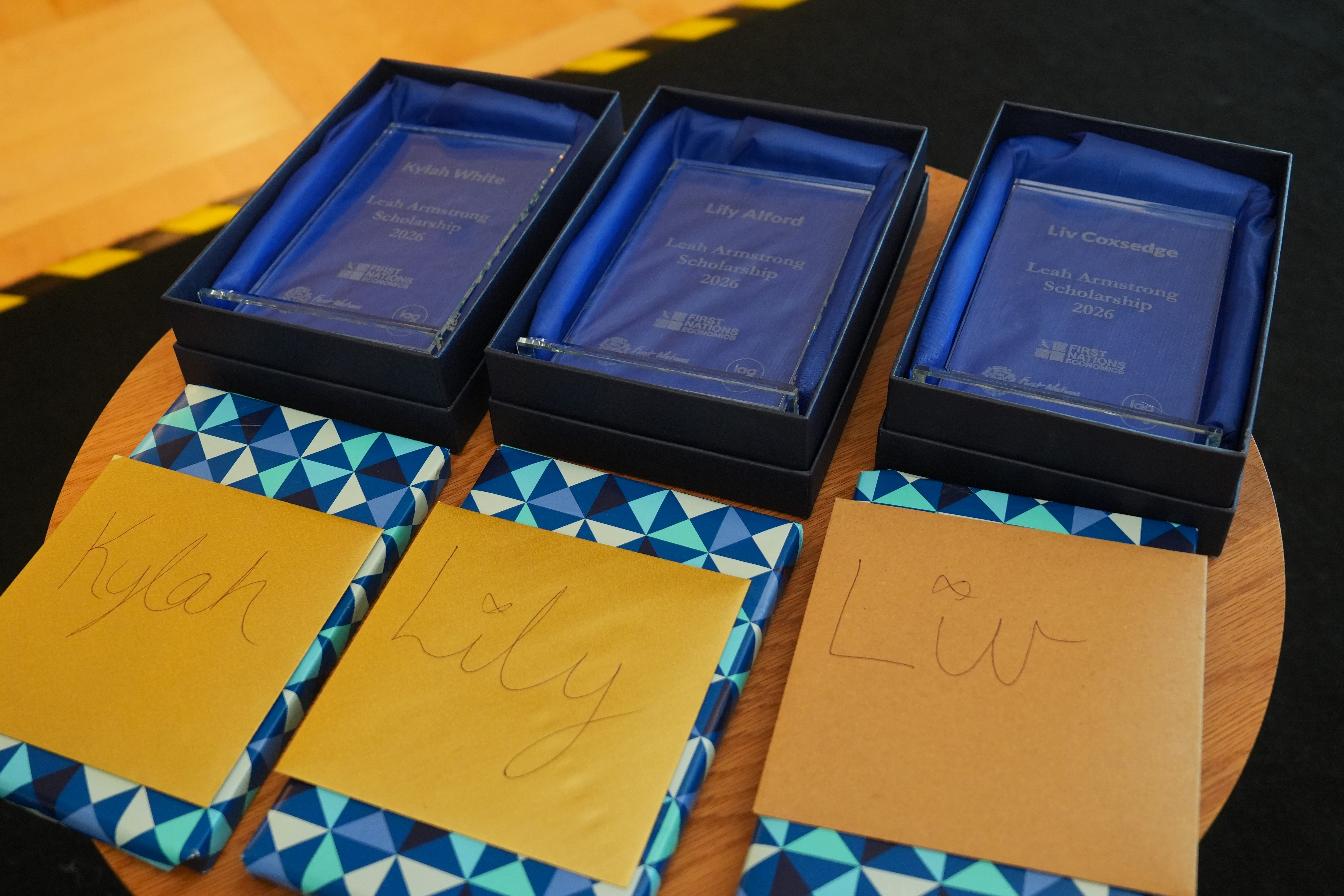
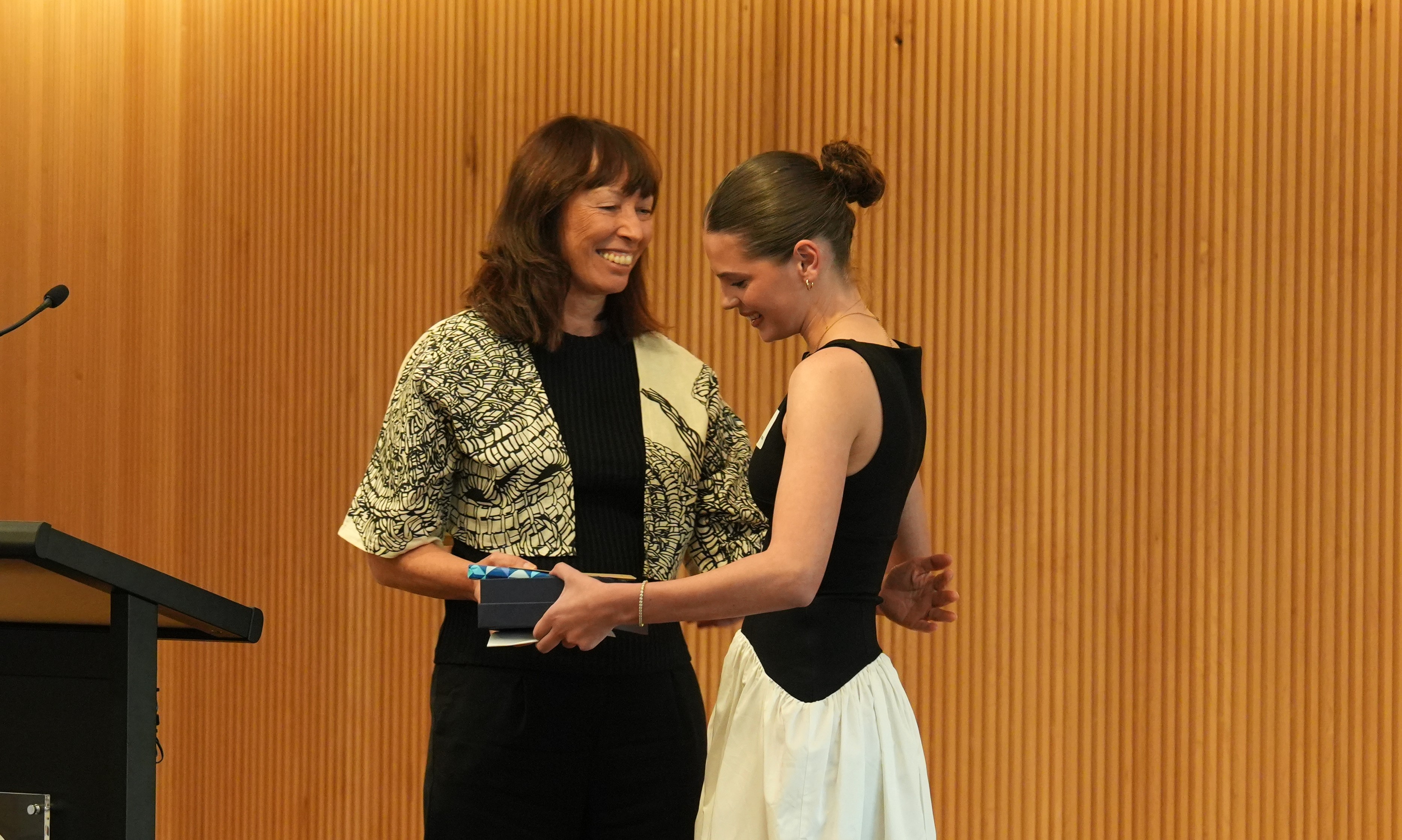
This year, Lily Alford (Yaegl Nation), Kylah White (Wilyakali Barkindji), and Liv Coxsedge (Wiradjuri) were awarded the scholarships.
Kylah White, 23, is focused on strengthening community-led health services and supporting organisations to deliver culturally safe and responsive care for Aboriginal communities.
"My priority has always been in achieving better health outcomes for my mob and ensuring our people have continuity of care, feeling culturally safe and supported within the healthcare system, and aiming and striving for reconciliation," she said.
"The Leah Armstrong Scholarship has enabled me to enrol in the Bachelor of Business, where I can continue my learning and develop my skill set to work towards better health outcomes and reconciliation."
Reflecting candidly on the pressures of cultural responsibility, Ms White added: "I will admit, at the age of 23, my flame has already started to burn out, because no one can really prepare you for the cultural load that some of these positions bring.
"I'd like to personally thank First Nations Economics, First Nation Foundation, Strong Women and Strong Business, and IAG for sparking my flame again and not only giving myself, but all of the deadly scholars, the means to be able to keep the fire burning."
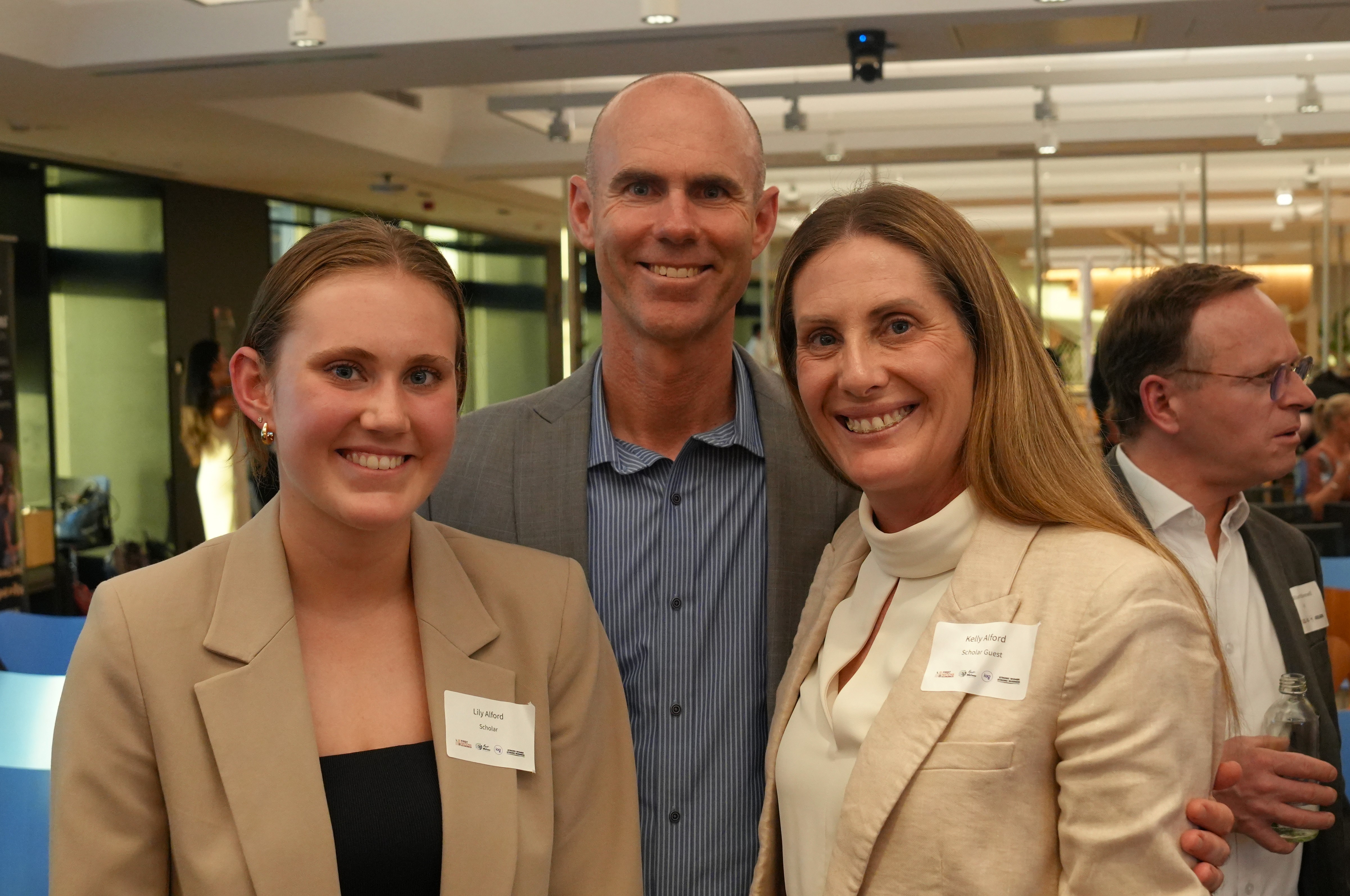
Lily Alford, 18, hopes to shape future economic policy to "create a more inclusive and prosperous future for Indigenous Australians".
"The mentorship, leadership, involvement, and professional networking opportunities offered through this program are invaluable," she said.
"Having access to a network of leaders who understand the nuances of Indigenous excellence will be instrumental.
"I am committed to ensuring that Indigenous voices play a lead role in the decisions that affect our communities. This scholarship is a powerful step towards that goal, and I am determined to make the most of every resource it provides."
Liv Coxsedge, 20, reflected on her family's history and the intergenerational impact of racism, as well as her aspiration to create change for future mob.
"My grandmother grew up on a mission near Wellington, where our people were forced to leave behind language, culture and identity because of the racism she faced in every part of her life.
"She felt she had to turn away from her culture, even telling people she was Italian, just to feel safe.
"But despite that, she was an incredibly strong woman in the face of adversity, and her strength is something I try to carry with me every day, in how I show up and in the change I hope to create for our people."
Through industry internships and international business case competitions, Ms Coxsedge has developed a strong interest in consulting and strategic problem-solving, which she hopes to apply to support organisations and strengthen economic outcomes for First Nations communities.
"My sisters and I have been fortunate enough to grow up with access to education and opportunities that previous generations in my family were denied," she continued.
"For me, this scholarship is not just support, but a chance to continue rebuilding my connection to culture and to ensure the path forward looks different for the next generation."
IAG Chief Financial Officer, William McDonnell, said the partnership reflects a commitment to building culturally safe workplaces and creating sustainable pathways for First Nations women in the industry.
"At IAG, we're working hard to build a diverse and inclusive workplace and one where cultural safety is prioritised and where all employees can respond," he said.
"It offers tangible employment and career opportunities for First Nations women, and not just financial support, but real exposure to the industry.
"Equally, we're excited to hear from the scholars, and we see this as a two-way exchange of knowledge, and we hope to learn from their experiences and their perspectives."



