




A lifetime of "wanting to know everything our ancestors knew" has seen Tasmanian Aboriginal woman Trish Hodge compile a text detailing more than 350 Tasmanian native plants which were - and continue to be - utilised by the island's Indigenous peoples.
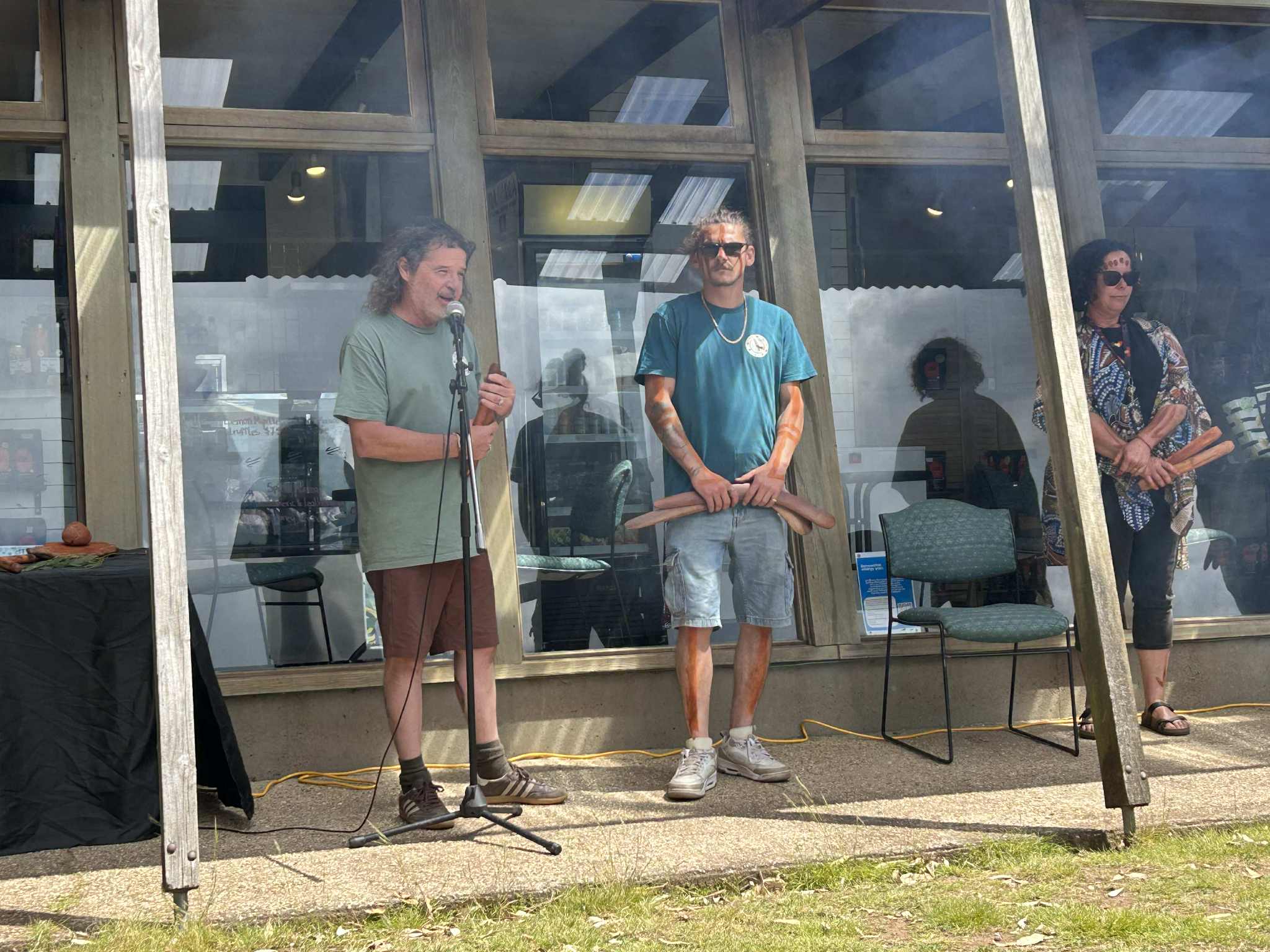
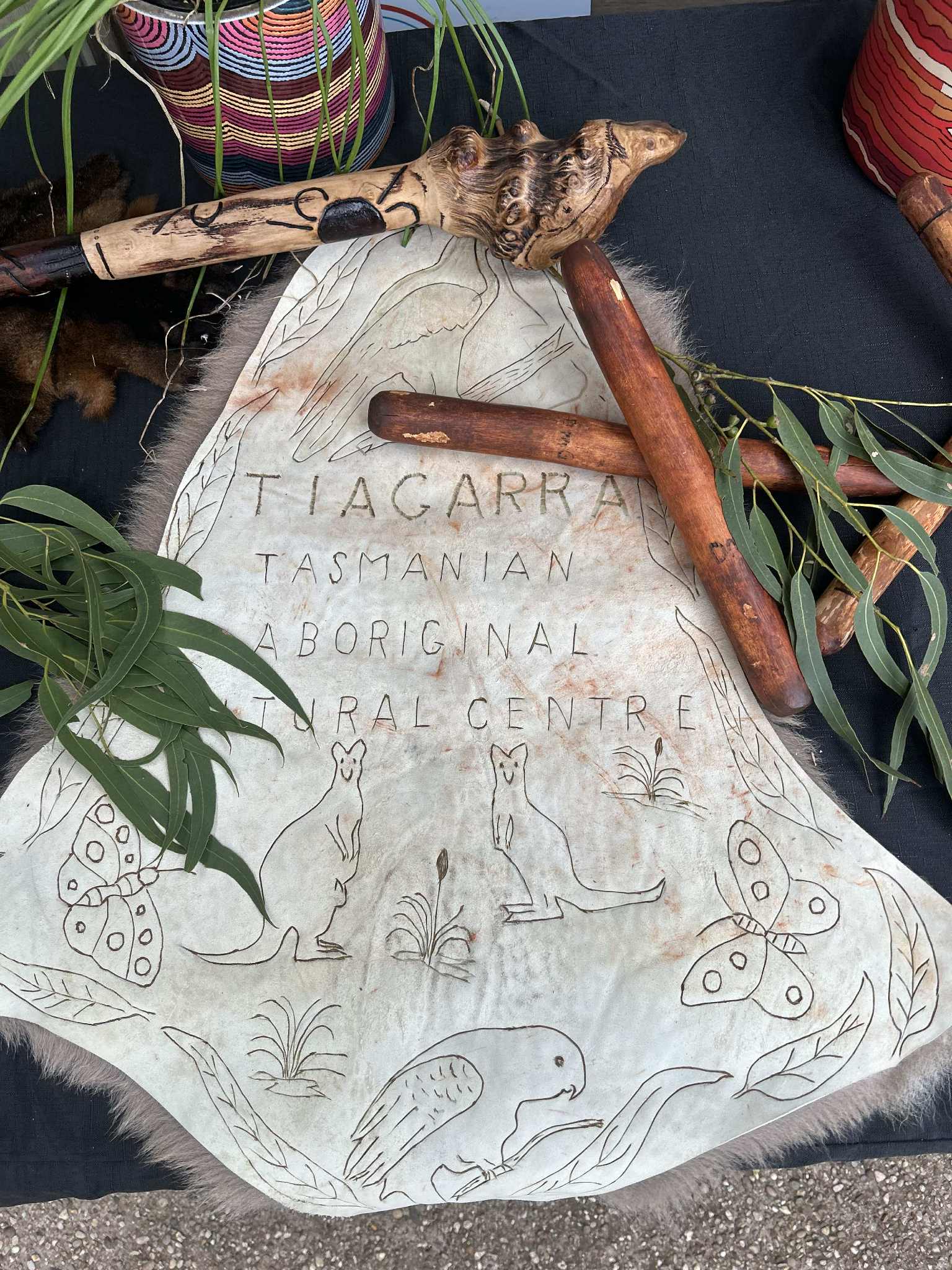
Her book, Palawa tunapri- Knowledge of Our Ancestors (Palawa tunapri translates to 'Tasmanian Aboriginal knowledge') was officially launched at Devonport's Tiagarra Aboriginal Cultural Centre (Tiagarra) on Monday.
Speaking to dozens of attendees, many who exclaimed their joy in having a practical resource to learn about Aboriginal Tasmanians' utilisation of the state's native species, Ms Hodge discussed her 20-year journey in compiling Palawa Tunapri alongside Tiagarra chair, Dave Mangenner Gough.
Following the event's formalities, the Trawlwoolway woman told National Indigenous Times her curiosity about Aboriginal culture was influenced by her father in her former years.
"It probably started way back in primary school.. Dad was always recording things," Ms Hodge said.
"He's got a rocks and mineral collection and a shell collection, so we were always cataloging different things, and then just his passion for plants and wanting to know everything our ancestors knew."
Ms Hodge said being taught "that we [Aboriginal Tasmanians] didn't exist and we didn't use plants" during her schooling fuelled a desire to discover more about culture as she "knew there was much more to it".
"So it's been a life of trying to find out as much as I could about our ancestors, and how we use the plants, and going back through old records and talking to aunties and uncles," she said.
The some 350 native plants documented in Palawa tunapri include traditional use information for food, medicine, tools as well as seasonal knowledge.
Since its official release earlier this month its first printing has sold out, with the text becoming increasingly popular following launch events across Tasmania.
The next is set to be held in Launceston on Wednesday.
Ms Hodge said Tasmanian Aboriginal people have a distinct cultural connection to the island's native flora.
"I think for us the plants are our kin. They're our aunties, our uncles, our grandparents, our grandkids, the future and the past," she said.
"And all of that knowledge that comes with the plants, and respecting them and caring for Country is something that everyone needs to look more towards now with climate change and all these other things.
"The more we can care for the Country, the more Country will look after us."
Explaining discoveries of hers didn't make it to print, Ms Hodge said a second edition following Palawa Tunapri was likely.
She said despite her commitments as a director of NITA Education, she maintains a burning desire to learn as much as she can about Tasmanian Aboriginal people's connection to Country.
"I just want to keep learning," she said.
"There's so much that I haven't learnt yet about our plants and things, and there's so many records I haven't scoured yet. I just need time to do it."
Reiterating her role as compiling the text ahead of being its author, Ms Hodge was resolute in her perspective on the discoveries she has made.
"It's everyone's knowledge, and we all have a responsibility to care for Country," she said.
Palawa tunapri - Knowledge of Our Ancestors is available at all good book stores as well as online.



