



Kieran Satour and Tyson Perkins' new documentary is a striking expression of lived experience, people and families so often hidden behind the statistics.
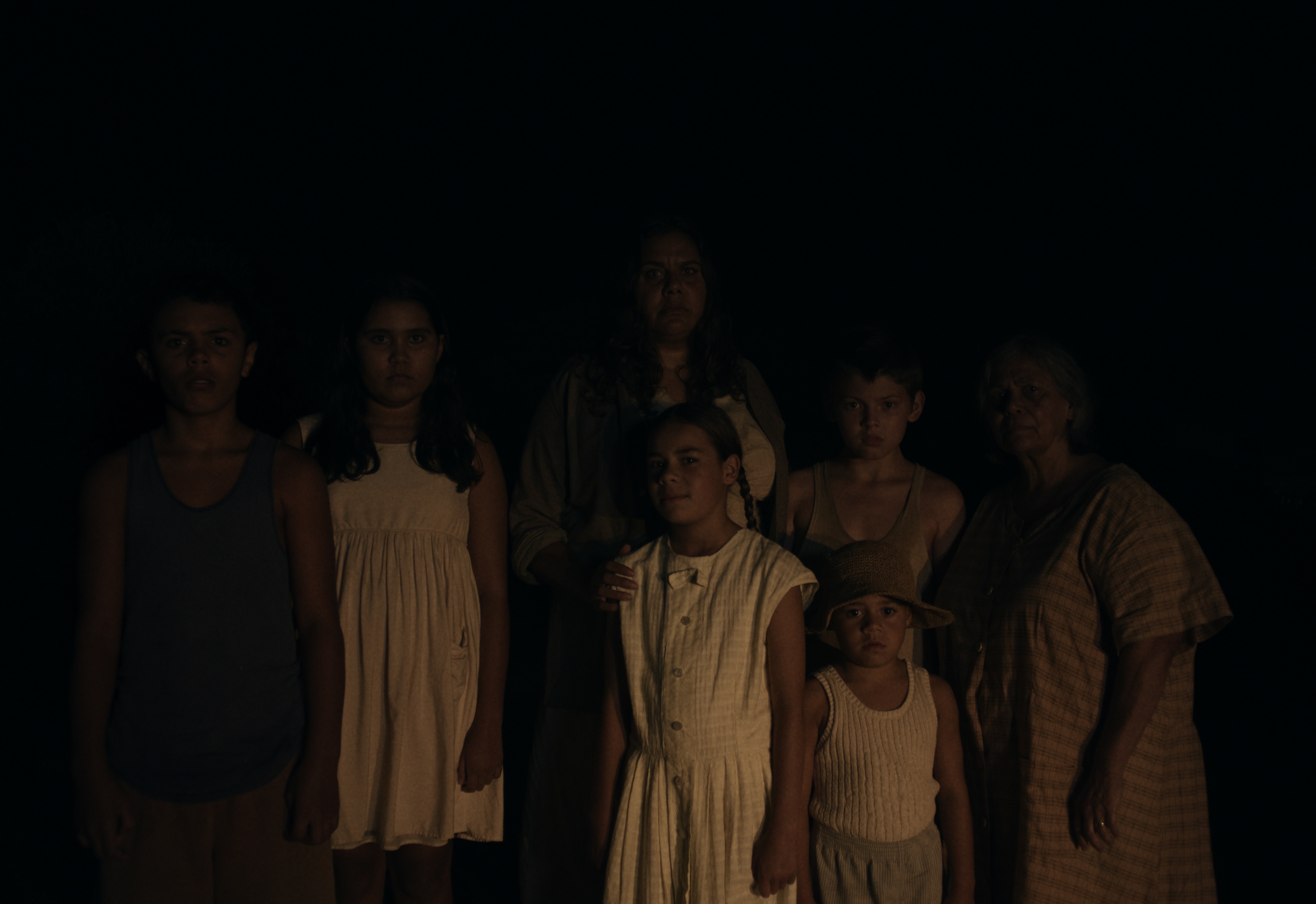
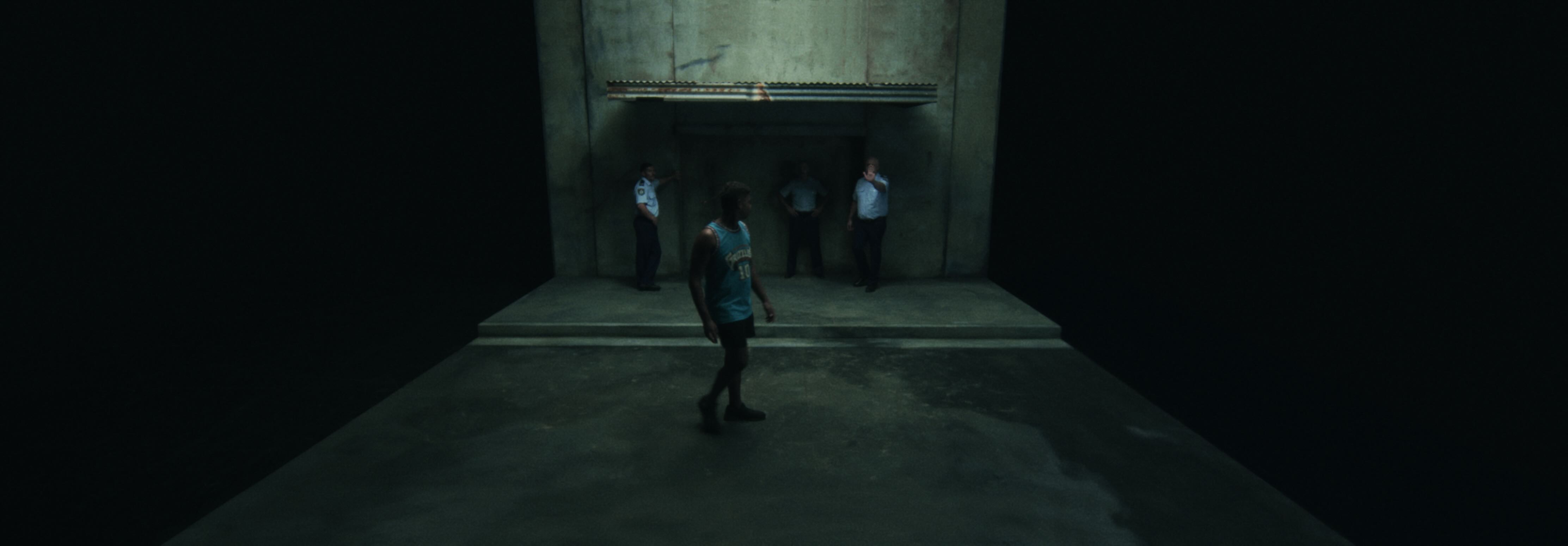
Facing the Numbers blends form throughout its anthology of storytelling from those impacted by deaths in custody, the Stolen Generations, over-policing and the wait for justice through cinematic recreations of these experiences — told by the voices of and acted by family members.
It described itself as "giving voices to lives too often reduced to data".
"Grounded in truth-telling", the series showcases the remarkable strength and resilience of First Nations people who are still here protecting Country, culture and community; despite what the numbers may say.
Facing the Numbers had its world premiere at the Melbourne International Film Festival this week.
"The statistics tell one story. We tell another," opening frames read.
For those family members, speaking on the night, justice looks like police accountability to being able to know their stories are out there for the world to see.
Others described a healing experience by sharing their lived-experience.
Uncle Widdy was forcibly removed from his mum and placed at the Kinchela Boys Home on the New South Wales mid-north coast.
He was literally stripped of his name and identified as a number while enduring emotional and physical abuse among other young boys like him.
Uncle Widdy said post screening: "If we don't talk about it, we can't heal."
His story is just one.
Kylie Hampton is a storyteller in the documentary, recounting the separate deaths in custody of both her father and brother.
"Aboriginal people. We all suffer intergenerational trauma, and I feel it's very important for us to come together and share our stories. Not only a part of truth-telling, but also not to oppress those feelings...It's a part of a healing journey," Ms Hampton said.
Telling her story, and that of her family, has been a weight off her shoulders, she added.
Geoffrey Johnson's early experiences with police, portrayed in the documentary, show a boy, as young as 13, have his sense of safety shattered.
"I'm the lucky one that's walked away. There's others that haven't," he said.
At the screening, he told the audience deaths in custody, in the hundreds since the 1991 Royal Commission report, aren't just deaths - they're losses from communities, loved ones taken away and family members grieved.
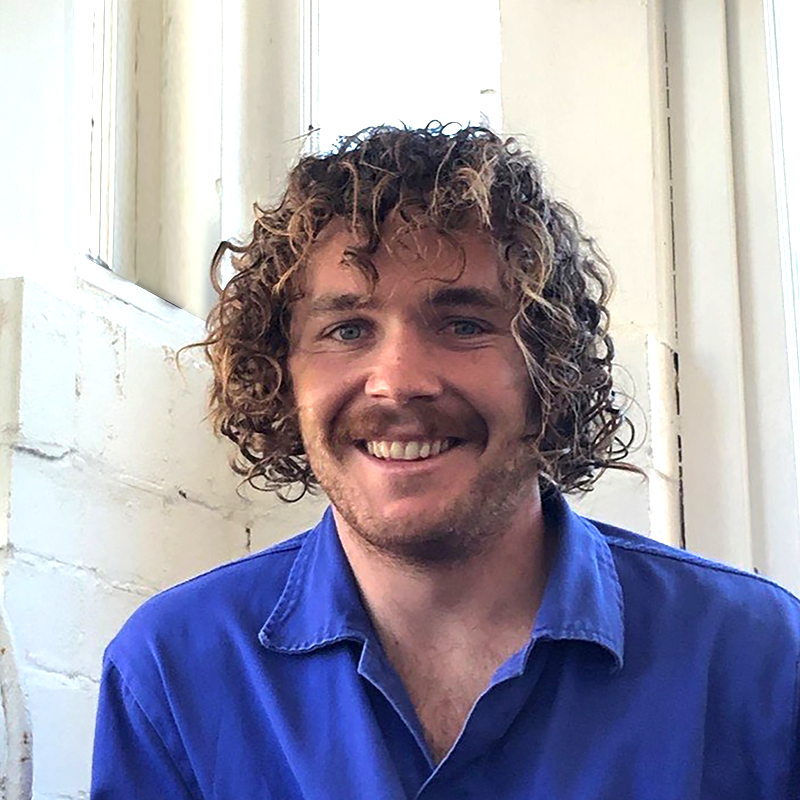
Co-director, writer and producer Keiran Satour told National Indigenous Times statistics, while playing a role, they "dehumanise".
Facing the Numbers shows explores and lays bare First Nations people continue to experience disadvantage in the criminal justice system, Mr Satour explained.
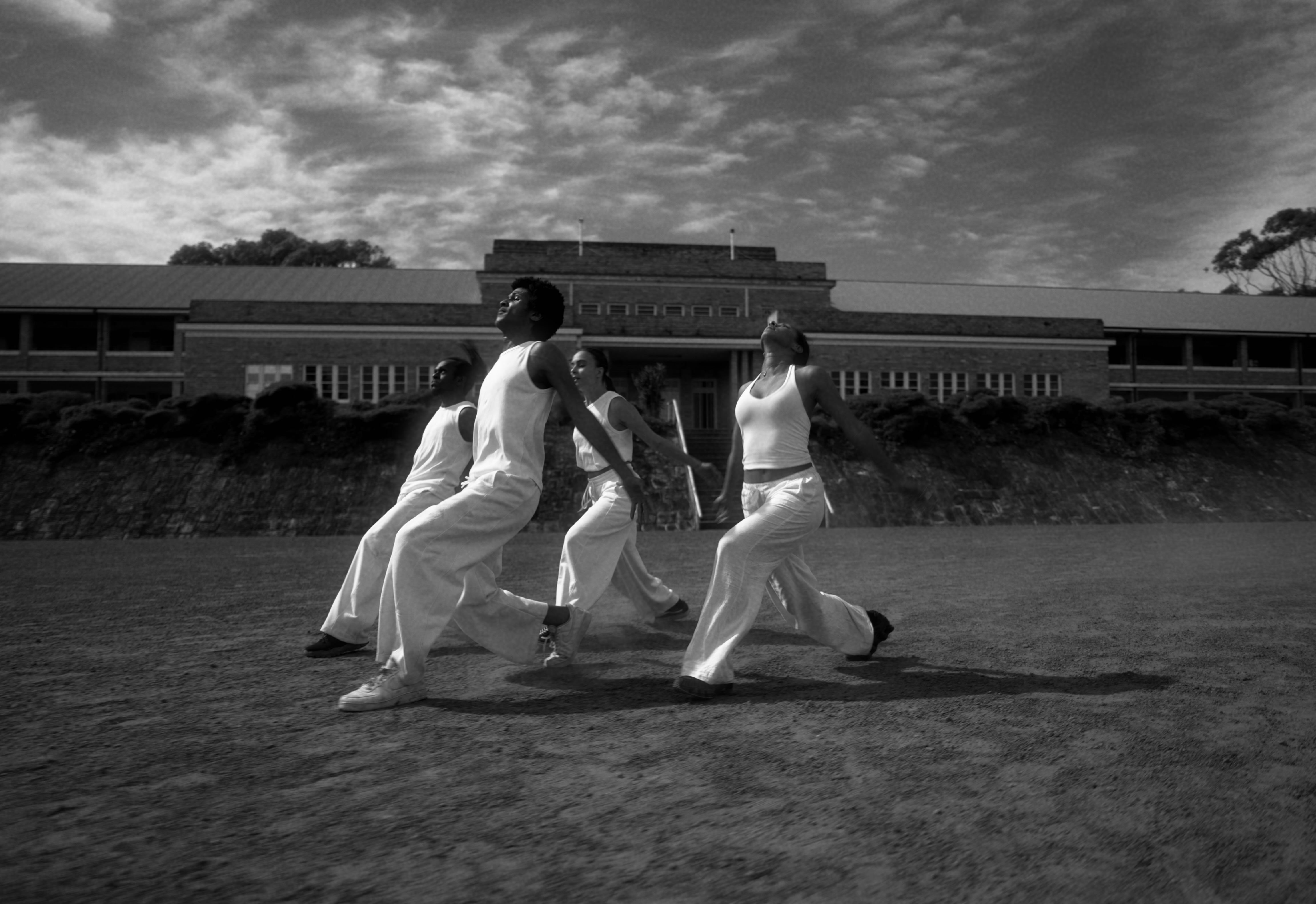
It does this through spoken word, poetry, dance and music alongside reenactments.
"The fact is, behind every single number is a person. I think sometimes when we're talking about some of the issues that we're facing, we miss those human stories and the human element of what's happening to our people," he said.
"We actually have young people playing their parents, so they're acting as their parents in these reenactments, and what you're seeing is a you know an incredible kind of healing process of telling these stories."
Mr Satour's company GARUWA produced the film.
The anthology is set to be shown around the world, also as separate shorted documentaries with the individual stories.
"There's a lot that we want to achieve with these films. We just want to connect with audiences. We want people to see that you know the fact that we are the most incarcerated people on earth is not right," he said.
"We need to make a change, and we need to connect with people on an emotional level in order to move the needle and make things better for our mob."
Mr Satour explained the genesis of the project came as a response to the Black Lives Matter movement overseas, particularly in the US.
The movement "humanised the victims of violence" elsewhere, and prompted an expression of what's happened and happening here in Australia.
Political movement and was also central to another uniquely-First Nations centred showcase at MIFF.
A gala of back-to-back films from Victorian-based First Peoples writers and directors premiered with Sovereign Shorts, each unpacking Treaty.
%20Sovereign%20Shorts%20directors%20Theo%20McMahon,%20Tammy%20Lee%20Rock,%20Talia%20Liddle,%20Tracey%20Rigney.%20Image%20-%20supplied,%20MIFF.jpg)
Four films, each selected out of an application process and supported its creative teams with mentoring, budget and resources, had their premiere.
For Talia Liddle, director of Protest on the Dancefloor, "in the fight for sovereignty, the Aboriginal rights movement across Australia spreads far and wide and intersects with many different parts of our life. And this is one."
Protest on the Dancefloor tells the story of First Nations people in City of Melbourne taking to dancefloors "to connect and liberate themselves amongst the ever-changing political climate".
The film was played alongside director Tracey Rigby's Dya (Country), Tammy Lee Rock's Queens to the Front, and Theo McMahon's Slow Hours.
Ms Ribgy, Wotjobaluk and Ngarrindjeri, explores her mother's mob's fight for Native Title in north-west Victoria, and her family's efforts on the journey to realising the recognition.
"Treaty is like the next phase of that proclamation of Country and acknowledgement of Country," she said.
Each film is available to stream at MIFF Online through to August 30.
Sovereign Shorts was supported by MIFF, VicScreen and NITV.



