




Across the country, most people don't think about the Northern Territory—labelled "cowboy country" according to one person speaking to National Indigenous Times. And that is exactly how the Country Liberal Party government prefers it: out of sight, out of mind.
Any criticism of the party that swept to power in 2024 can be put down to southern politicians in their "ivory towers" coming to the NT and meddling in things they don't understand.
Chief Ministers have uttered it since the NT became its own Territory: People should not "come up here and tell us what to do", acting Chief Minister Gerard Maley told reporters last week after the Commonwealth dared to ask where its money was going.
But what happens in the Territory has consequences well beyond its borders.
The NT is failing Aboriginal Territorians, according to the Closing the Gap agreement. Of that, there is no doubt. It has been since colonisation.
No jurisdiction is behind in more metrics. More than one per cent of the population is behind bars; less than 15 per cent of children removed from their families are placed with culture or kin. It has the highest rate of homelessness in the country, at almost 12 times the national average. Aboriginal people account for 87 per cent of these numbers.
This is despite the NT receiving close to four-fifths of its funding from the Commonwealth, and a GST distribution almost five times that of other states due to the chronic disadvantage.
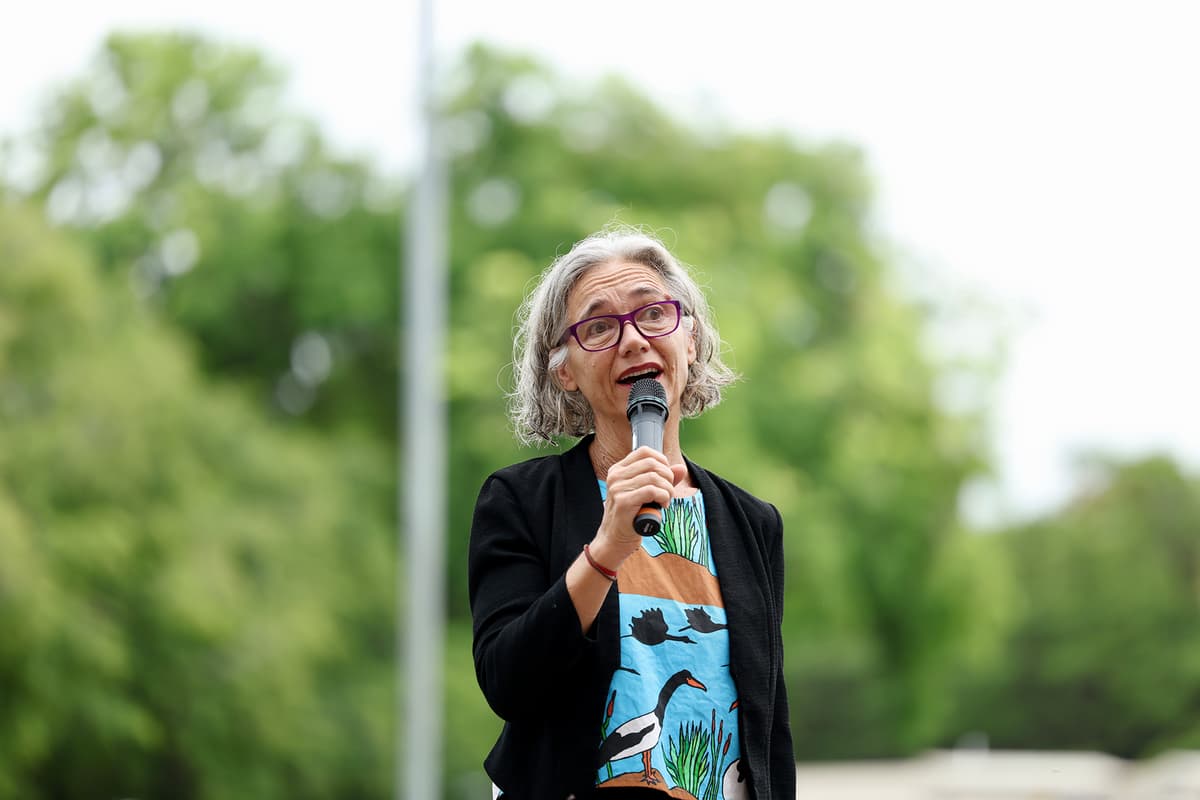
"What happens here doesn't just impact on the Territory," first-term Independent Justine Davis tells National Indigenous Times. "It impacts far beyond. The rest of Australia needs to pay attention, not just because they're paying for it, but because it's going to impact them."
Tough on crime
When the CLP were elected on a 'tough on crime' mantra, many people anticipated its effects would be harsh; their rhetoric was loud and clear.
However, for some who spoke to this masthead, the "overly punitive" and "callous" changes and often blatant attacks on Aboriginal people have still taken them by surprise.
Lowering the age of criminal responsibility to 10 and toughening bail laws has seen an explosion in prison numbers, with nearly half of prisoners now held on remand.
Children can now have spit hoods placed on them in youth detention; people — many living in poverty — can be denied entry onto buses due to their clothing; and Aboriginal organisations have been routinely ignored, or criticised, when they voice concerns about human rights.
Land Councils have been sidelined, and experts raising concerns around human rights issues have been lambasted.
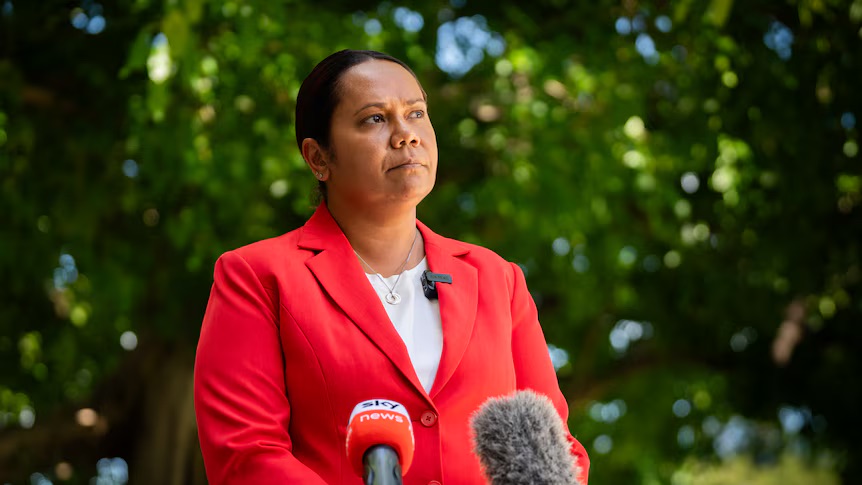
"These are decisions about Aboriginal children, families, communities and their future," according to opposition leader Selena Uibo.
"The CLP cannot say to Aboriginal Territorians that their voices matter, then shut them out when important decisions are being made about them. That is how trust is lost, and that is exactly what we are seeing the CLP Government do in the Northern Territory."
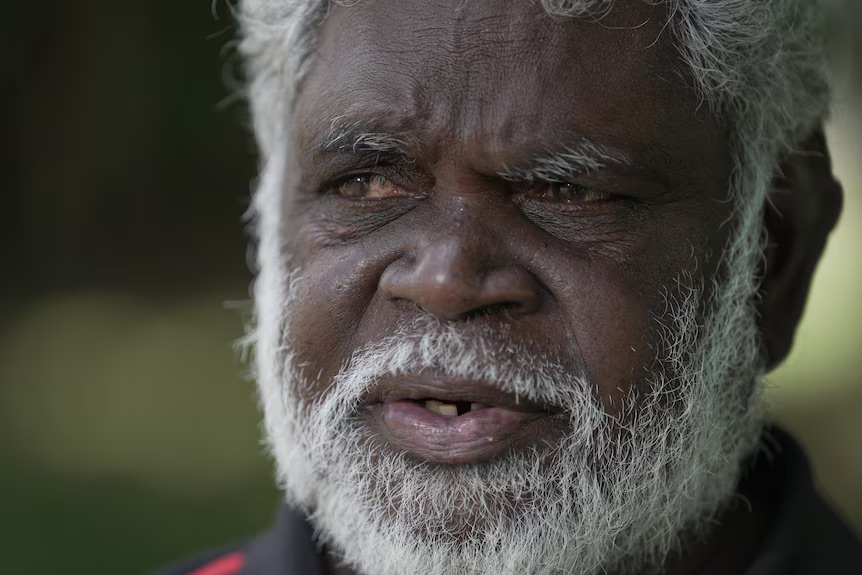
Last month, Yiŋiya Mark Guyula, a Yolŋu man of the Djambarrpuyŋu clan, quit as an independent member of the NT Parliament, arguing he could no longer "sit opposite a government who are not willing to listen or form partnerships".
The CLP Government have "significantly failed Aboriginal people and their ongoing actions are contributing to the breakdown of our culture and people, in what is now becoming a slow genocide," he told people at Garma.
He is one of four leading Aboriginal Territorians to quit their posts in the last three months, citing difficulties working alongside the government, which, as one person told this masthead, has adopted a "do as we say" attitude.
The government has "pushed through decisions affecting Aboriginal Territorians while too often ignoring the voices of Aboriginal communities, organisations and frontline workers," Ms Uibo tells National Indigenous Times.
"Across justice, child protection, housing, sacred sites and Treaty, we have seen important avenues for Aboriginal Territorians, advocates and frontline workers to have a say removed or weakened."
No trust
In July, the passing of controversial child protection changes — despite the protestations of Aboriginal organisations, human rights bodies, child protection experts and legal groups — led to the resignations of Rob McPhee as the independent Aboriginal chair of the Tripartite Forum and Shahleena Musk as the Territory's Child Commissioner.
It had "become increasingly evident," Mr McPhee said at the time, that the Government was "not committed to genuine partnership with the Forum on significant policy and legislative reform".
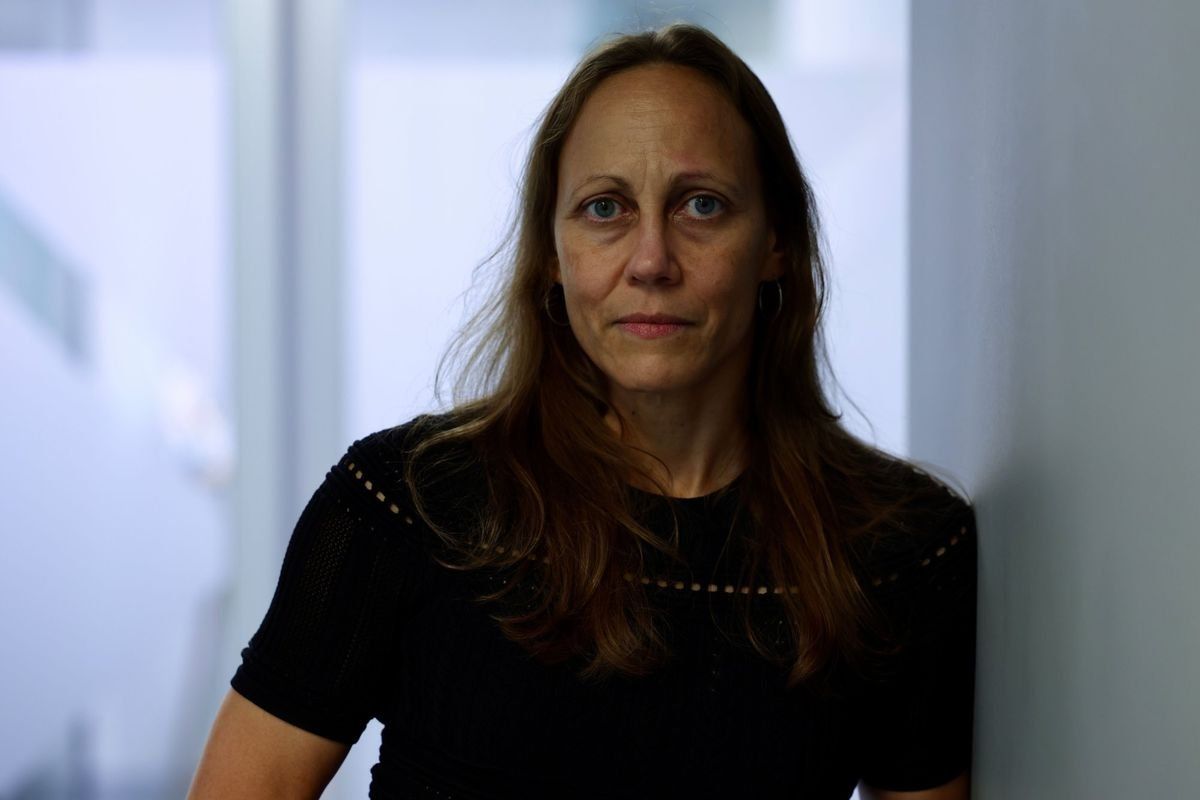
Ms Musk, a Larrakia woman and former Crown prosecutor, broke down in tears during the parliamentary hearings on the child protection changes, which a CLP-dominated committee recommended passing despite 120 of the 150 submissions specifically opposing them.
"Public confidence in our institutions depends on openness, meaningful consultation and a willingness to test policy proposals against available evidence," she said in her resignation. "Where these principles are diminished, the quality of decision-making and public trust are inevitably affected."
Child Protection Minister Robyn Cahill labelled Mr McPhee's resignation a "media stunt shrouded under the guise of a political resignation," whilst she said of Ms Musk that if she "were genuinely concerned about this, then the last thing she would be doing is walking away".
It was "disgusting," one person told National Indigenous Times of Ms Cahill's comments. Others have criticised Chief Minister Lia Finocchiaro for her public attitude towards criticism.
The government has used terms like "talk-fests" and "identity politics" when people point out First Nations groups aren't being consulted on justice issues, or argued it's "hysteria" when experts warn new legislation will make things worse for children.
This month, Kalkadoon/Waanyi woman Leeanne Caton resigned as Aboriginal Housing NT CEO, arguing decisions "are just handed down without any consultation".
"The reason why I'm leaving," she told ABC Radio, "it's just...every piece of legislation that gets put through has a negative impact directly on Aboriginal people, and it's killing my spirit...I just can't stand to see what's happening to Aboriginal Territorians in this environment at the moment."
Several people who spoke to this masthead declined to go on the record, citing their employment at government-funded organisations. One person spoke of deep sadness that their role had been reduced to nothing, ignored from the top down, and reduced to a box-ticking exercise.
"I think a lot of people have said that this government is overtly racist," Ms Davis says, "and that's absolutely the experience of many Aboriginal people who are saying it very loudly.
"The Chief Minister has said publicly many times, 'if you don't agree, you can leave,' and it's finally got to a point now, just at the two-year mark, where significant people are saying we can no longer work with this government."
Strategy without partnership
Earlier this year, the government quietly launched a "very practical Aboriginal affairs strategy, setting out its approach to the portfolio. Six priorities, tied to the Government's three main priorities for this term: reducing crime, rebuilding the economy and restoring the Territory lifestyle.
These included creating safer communities, empowering bush communities, creating jobs and business on country, boosting health, wellbeing and culture, building community foundations, and developing skills for the future.
At the time, Ms Caton said it lacked detail, labelling it "disappointing".
"But this is what you get when you have a document that is written by people who don't have the lived experience or don't want to consult with Aboriginal people," she told the ABC.
There is no shared decision-making with Aboriginal organisations according to many, despite it being a core Closing the Gap priority reform.
It is the government's way — like it or lump it.
This month, eight non-government members pulled out of the Northern Territory Justice Policy Partnership (NTJPP), citing a breakdown in "genuine dialogue, partnership and shared decision-making".
"NT Government policies are moving ahead without the input and agreement of justice experts appointed to help design solutions," they said. "Continuing to participate risks creating the impression that experts endorse government decisions that were made without their meaningful engagement or support."
Mr McPhee tells National Indigenous Times it is no secret he, along with many ACCOs in the NT, have felt "bypassed by the current NT Government on the raft of legislative changes they have made which directly impact Aboriginal and Torres Strait Islander people in our community".
"It is also no secret that the ACCO sector is opposed to these policies," he says, "and I have been on the public record about this."
View this post on Instagram
That approach has also been evident in decisions affecting Aboriginal-controlled organisations and services.
When the CLP chose to ignore federal money and close down the Aboriginal-run YiSSA homeless shelter, moving it 100km south, Aboriginal organisations found out about the move through the media.
Barely disguised comments criticising the running of the facility were aired in the media, with people telling this masthead it had become obvious the criticism of YiSSA came down to who was running it.
When federal politicians told the NT Government earlier this month they would give money directly to organisations to help close the gap since the government was doing an appalling job, the CLP said this wasn't their preference, arguing the Commonwealth was spending money "where it should not be spent".
"The Chief Minister refuses to liaise or consult with the Aboriginal community control sector," Ms Caton told ABC Radio. "Will have nothing to do with us, and she's been in two years now.
"This government seems to be more interested in spending $1.2 billion on building prisons, rather than looking at the government sectors or the community services sectors that are overloaded."
.jpg)
Ms Uibo agrees.
"What my team and I hear again and again is that Aboriginal Territorians are tired of having decisions made about them, without them," she says.
"Aboriginal families and communities are speaking up, raising concerns and sharing their lived experience, only to feel like the CLP Government has already made up its mind or just flat-out ignores them."
Mr McPhee tells this masthead he is hopeful the relationship between Aboriginal organisation's and the CLP can be "restored through a offering of genuine partnership and collaboration".
"Whether you work at an ACCO or within Government, the end goal should be the same — to see our community thrive," he says.
"I hope the NT Government re-considers their current approach to governing, and extends an invitation to the experts in matters related to Aboriginal and Torres Strait Islander families and communities."
The CLP was asked a series of questions by National Indigenous Times about accusations of racism, a lack of decision-making, and what it is doing for Aboriginal Territorians.
It did not respond.



