


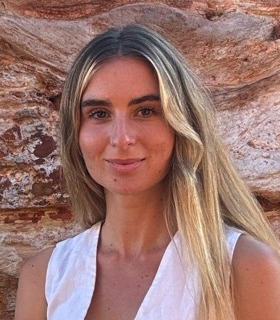

"When I found out, I was 14 turning 15, I didn't really understand it so I didn't really listen."
For one teenager from northern WA's Kimberley region, the reality of type 2 diabetes arrived early. A disease linked to middle age is increasing among Aboriginal teenagers in the region, according to a new study.
Researchers from Kimberley Aboriginal Medical Services, the Rural Clinical School of WA (UWA), WA Country Health Service and the Menzies School of Health Research interviewed seven Aboriginal people aged 12 to 24 in two Kimberley towns, along with two mothers and two GPs.
The study explored how young people are diagnosed, how they manage the illness, and what support makes a difference.
New data shows the burden is growing.
According to the Australian Bureau of Statistics (ABS), diabetes among Aboriginal and Torres Strait Islander adults has surged nearly 40 per cent in just over a decade, now affecting 15.5 per cent of the population.
In remote areas, rates climb higher, with more than one in five adults living with the disease.
Young people described being diagnosed after chance screening, or only after symptoms like exhaustion and weight gain.
Several said they had little understanding of diabetes before being told.
One recalled feeling "shocked", while another admitted being "scared because I'm at a young age, like I know that old people have diabetes but not like me".
Participants reported barriers to managing the disease such as high costs for healthy food, a claim backed by the most recent statistics by the Regional Price Index which found food in the Kimberley costs 7.3 per cent more than Perth.
Another barrier included the oppressively hot conditions of the Kimberley limiting ability to exercise, with temperatures of 40 degrees celsius and humidity reaching as high as 80 per cent.
Other participants mentioned an aversion to tablets and needles as impacting their ability to seek full treatment.
"When you get diabetes, you've got to level everything, and that's another hard thing to do," one participant said.
Family, especially mothers, provided the strongest support.
Yet almost all participants carried a family history of diabetes and its complications — blindness, amputations, dialysis — underscoring an intergenerational burden and the urgency of prevention.
Comorbidities added to the strain.
Three of the seven young people were also managing acute rheumatic fever or rheumatic heart disease, stretching families and clinics already dealing with distance, staffing churn and socioeconomic stress.
But young people said continuity of health carers mattered just as much.
"I don't like seeing people I don't know. I like seeing people I know very well," one teenager said.
That need is under pressure in the Kimberley, where GP turnover has reached one of the highest levels in the state; more than one in five doctors left in a single year, according to Kimberley Rural Health.
Turnover in Aboriginal Community Controlled Health Services was even higher, at nearly 29 per cent.
For one teenager, the loss of a regular doctor was summed up bluntly — "pretty shit".
The authors recommend resourcing Aboriginal health workers or dedicated nurses to coordinate care, along with youth-designed education resources and a regional register similar to rheumatic heart disease programs.
Their takeaway was that youth-onset diabetes in the Kimberley demands family-centred, culturally safe, relationship-based care; the type of care that doesn't disappear with staffing changes.



