




Fourteen Pacific Island countries have come together in Fiji to develop a coordinated regional position ahead of the 17th Conference of the Parties to the Convention on Biological Diversity.
Delegates representing all 14 Pacific Island Parties to the convention are meeting from September 21 to 25 as the region prepares to take a unified position to CBD COP17 in Yerevan, Armenia, from October 19 to 30.
The meeting is focused on translating national and regional commitments into shared priorities as Pacific countries face the combined impacts of climate change, biodiversity loss and pollution.
Pacific Island countries contain biodiversity hotspots and high numbers of endemic species, with plants, animals and ecosystems also closely connected to culture, food systems and livelihoods.
Fiji's Ms Senimili N. Baleicakau, Chair of the Pacific Small Islands Developing States, said the region was already experiencing the combined effects of the three environmental crises.
"For Pacific Island countries and territories, the combined impacts of the triple planetary crises are a part of our daily reality. These affects our communities, our ocean, our food systems, our forests, our livelihoods, and our cultures," Ms Baleicakau said.
"This reminds us how our nature, climate resilience, sustainable development, and the wellbeing of our people are closely connected. It is important that we leave this meeting with a strengthened Pacific position, as we work to reflect our national experiences into shared regional priorities."
CBD COP17 comes as countries continue implementing the Kunming-Montreal Global Biodiversity Framework, with four years remaining to meet its 2030 targets.
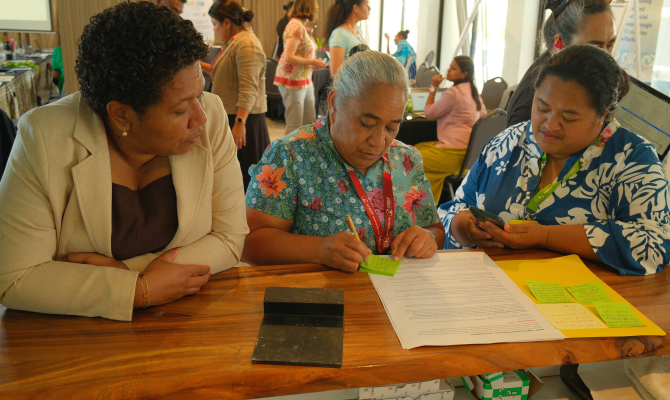
The delegates are preparing to advocate for decisions that recognise the region's circumstances and provide practical support to turn global biodiversity commitments into action.
Key issues expected to affect Pacific countries include biodiversity finance, national planning and reporting, traditional knowledge, marine and coastal biodiversity, digital sequence information, capacity-building and technical cooperation.
Secretariat of the Pacific Regional Environment Programme Director General Mr Sefanaia Nawadra said the region would draw on existing Pacific declarations and strategies during negotiations.
"We must continue to amplify Pacific voices at the Conference of the Parties (COP) and across international negotiation processes," Mr Nawadra said.
"From the Pacific Leaders' endorsement of the Belau Declaration, to the adoption of the Môo Mâ Awé Declaration: Pacific commitments to Nature Conservation and Protected Areas at the 11th Pacific Islands Nature Conference, and the reaffirmation of our commitment to strengthen sustainable weather, climate, ocean and water services through the Siu-i-Alaimoana Ki Likutapu Declaration, the Pacific is well placed to advocate its priorities at COP and other global forums."
They are also examining developments since CBD COP16, including outcomes from the twenty-eighth meeting of the Subsidiary Body on Scientific, Technical and Technological Advice and the seventh meeting of the Subsidiary Body on Implementation.
The discussions are intended to identify where Pacific priorities need to be defended, strengthened or advanced during COP17 negotiations.
SPREP Biodiversity Conservation Programme Director Mr Amena Yauvoli said regional coordination would be important as Pacific countries take their priorities to the global forum.
"The united Pacific voice at COP 17 is critical at a time like this and SPREP is committed to supporting the Pacific Member countries in coordinating the voices of the Pacific at the global stage," Mr Yauvoli said.
"Together, we will advocate for biodiversity decisions that recognise the special circumstances of Small Island Developing States and deliver the financing, partnerships, technical support and practical solutions needed to protect the Pacific's biodiversity, communities and future generations."
The Fiji preparatory meeting includes delegates from the Cook Islands, Federated States of Micronesia, Fiji, Kiribati, Naoero, Niue, Palau, Papua New Guinea, Republic of the Marshall Islands, Samoa, Solomon Islands, Tonga, Tuvalu and Vanuatu.
The meeting is being facilitated by SPREP with support from the Government of New Zealand and the NBSAP Accelerator Partnership.



