



Magabala Books in partnership with Reconciliation Australia launched a new junior non-fiction book in June about the history of First Nations resistance in Australia – Always Was, Always Will be.
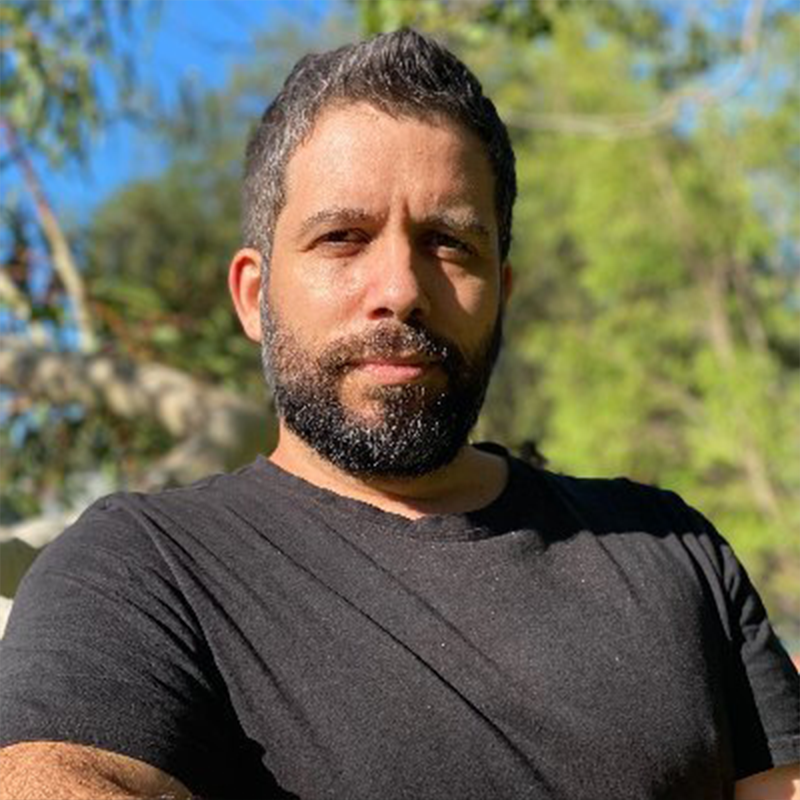
The authors, Boonwurrung Elder Aunty Fay Muir and Sue Lawson ('Our Place' series), spoke to National Indigenous Times this month about the work.
From the first protest of January 26th as a Day of Mourning in 1938, to the Pilbara Strike of 1946, to the struggle for the right to vote and be counted; Always Was, Always Will Be shares the last 200 years of the courageous fight for justice by First Nations people.
Aunty Fay said the educational value of the text can't be overstated.
"Always Was Always Will Be is an educational book for teachers and students alike. The stories in this book need to be told and are crucial to our First Nations history. The book's narratives need to be read, discussed and then students can go on a learning journey to further their understanding and knowledge about the history in this country."
The book was created in partnership with Reconciliation Australia, who approached Magabala with the vision of co-creating a powerful book that would speak to students and teachers.
Aunty Fay said the genesis of the book arose from the need to tell Australia's complete history.
"Our history hasn't been told, especially in schools, and I needed as a teacher to get this out to kids, to let them understand where our Elders came from. They had been fighting for where we are today, from right back when Cook arrived," she said.
"It was something I wanted to do, and I spoke with Sue about it, we needed to do this book so that the kids have a starting point to look at history, about our Elders and how they fought, and how long they fought for and are still fighting… and then to go into more detailed investigations themselves."
Ms Lawson said she believed fear of the truth made history a political minefield.
"I think it's fear. I think people are frightened of what has happened in the past getting out, because it's that whole question of 'who are we', if we change, from Australia's point of view, the 'brave settler who came to this unsettled land and tamed it'… who are we without that narrative? And I think that's part of the problem in Australia," she said.
"I think a lot of it is that sheer ignorance. When people first arrived and covering everything up, 'it didn't happen, it didn't happen' and not wanting that to get out, because it changes who we are as a nation."
Aunty Fay said attempts to stifle and hinder the teaching of history are "about keeping what happened to us, to my people, shielded, so that doesn't get out to the wider audience".
"Somebody who was a settler who made a name for themselves, what they did in the background needs to come out – talk about the massacres… that needs to come out," she said, adding that a greater understanding of history would see less hostility to restorative measures like land rights and treaties.
"We really need that out there, for the wider community to ask questions: How did this happen? Where did it happen? Why did it happen?"
Ms Lawson said this education process needs to "start with our kids".
"I often talk to Fay about my own learning at school - there was nothing, 'Aboriginal people lived near Uluru, or Ayers' Rock as they called it then, and they lived in humpies', and that was my education through primary school, secondary school in the 1960s and '70s and 80s, and teachers' college. Nothing, we did not cover a single thing at teachers' college. When I started to learn through my own reading and interest and then with Fay, it blew my mind and I remember watching Rachel Perkins' The First Australians and just saying to people 'why weren't we taught this? Why did we not know?'," she said.
"A lot of it is fear. You only have to look at the Voice referendum where all this crap came up about 'we are going to lose our houses', I can remember being a kid and my parents saying 'we are going to lose our farm' if native title ever comes through, that was in the '70s, and to think we are still thinking like that is quite disheartening, it's dreadful."
.jpg)
Aunty Fay said she hopes Always Was, Always Will Be will inspire young readers to begin their own learning journey," she said.
"I'd like readers to take away what has been written there, and then go deeper into what really happened; expanding on what we have started, what we have given them. This is a small taste in our book. I want them to go deeper and expand their learning; investigating themselves."
Ms Lawson said her own students had demonstrated more understanding of struggles for justice in other countries than in their own.
"(I ask) 'who is Martin Luther King?' and all they know, and ask 'who is Nelson Mandela?' and they will tell you who that is. Then ask 'who is William Cooper?' and they don't know. Even Vincent Lingiari, they go 'what?'… I think he (William Cooper) is the most remarkable man, and he's just one of them in the book, one of these incredibly generous, strong foresighted people. I think we need to look in our own country for wisdom and knowledge and guidance, it's here, we are just not looking at it."
Aunty Fay said she hoped children learning from their work "are the ones to take that information home to the parents and let them know, to get on that journey with their kids to learn more about our great leaders of yesterday".
"I would just like kids to understand that in this country … just to find out how the settlers treated the First Peoples," she said.
Ms Lawson: "I would like, not just with this book, but with the others ones we have done too, for people to go 'wow, what a rich, beautiful culture that we have in Australia and we need to celebrate that and acknowledge and be proud of it, instead of this ridiculous business that has been going on.
"Rachel Perkins said it is a shared history it is about our country… I thought 'that's exactly it'."
"It is a shared history and all children should be able to learn about that shared history, because it's their country as well," Aunty Fay added.



