


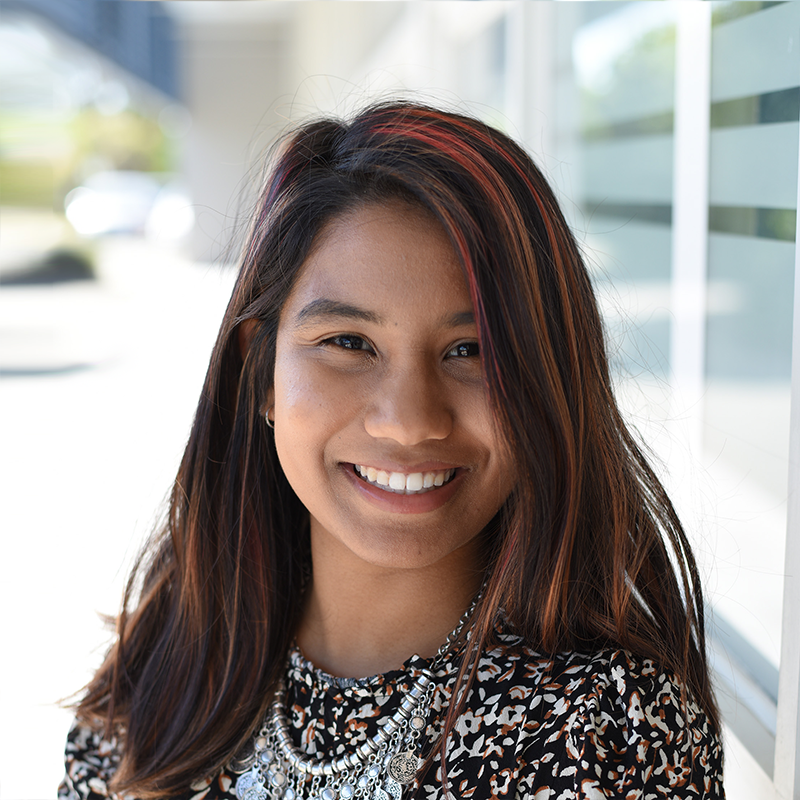

Jayla Nix's upbringing had a profound impact on her career in healthcare.
A Wiradjuri woman with blood ties to Wellington, Ms Nix grew up hearing stories of her family's survival and strength.
Her great grandparents came from the Nanima Mission in Wellington and her sense of belonging and family ties spurs her on to better understand how she can help her people.
Ms Nix worked as an Aboriginal family support officer before becoming an Aboriginal health worker for the Murrumbidgee Local Health District in 2013.
She said the experience was a huge eye-opener for her.
"I felt very connected to my people and their stories. I loved to stop and have a yarn and really listen. I felt pulled into a role that was focused on helping my people access better health services," she said.
"I felt like I had a good grasp about the allied health services available, as I had previously alongside physios, OT and speech pathologists.
"I was thrown in the deep end and loved the complexity of the role. I was able to see up close how the little changes we facilitated, helped to have huge impacts."
Growing in her role, Ms Nix wanted to ensure her job helped close the gap and help people stay out of hospital.
"There is no point sending someone home with a health plan they are not comfortable with and cannot do, because they will just end up back in hospital," she said.
"It is so important to ask questions and to understand where people are coming from, what their experience is.
"It's more than just overcoming tangible obstacles, because sadly sometimes my people feel a kind of shame about asking for help, a worry, and it stops people reaching out."
After five years as a health worker, she's now a team leader and spends less time on the ground.
However she's found her skills help her to be a leader and assist in a plethora of other ways.
"I grew up very connected to my nan. She is the eldest of four and a real survivor. Many in our family are part of the Stolen Generations, and she was the only one who was able to go to school regularly," she said.
"Now that my nan is elderly and does not really understand health and all the services and interventions we have, being an Aboriginal Health Worker gives me the opportunity to really help her.
"For me it is important that Aboriginal people are able to access services that they need.
"There is still so much work to be done, so many inroads to make, and trust to build, and I feel so privileged to be a part of that story."



