




A new study has found an Indigenous community-led project has strengthened intergenerational knowledge transfer, belonging and connection to Country, and recognition of Indigenous cultural authority through string making, net weaving and yarning.
The Southern Cross University study, published in the International Journal of Cultural Property, found the Bundjalung fishing net project highlights how practices such as string-making, net weaving and yarning circles support cultural revitalisation while demonstrating the ongoing relevance and application of Indigenous ways of knowing and being.
Working with Bundjalung Elders and community members, the project supported the sharing and renewal of cultural knowledge, reinforced cultural identity, cultural governance and cultural sovereignty.
It also created created a safe space where Indigenous and non-Indigenous participants were able to build relationships through Indigenous-led cultural practice while providing an opportunity for intergenerational knowledge transfer, connection to Country, belonging, and community-building while actively involved in the string-making and the net-making that followed.
Despite 'colonial disruption', Southern Cross University researchers found Bundjalung cultural practices remained dynamic, lawful, and deeply connected to Country.
"We argue that Indigenous cultural property must be understood through Indigenous law, lore, custodianship, and relational responsibility," Gnibi College of Indigenous Australian Peoples senior lecturer and the project's lead researcher, Dr Kylie Day said.
"The net-making project centres Bundjalung cultural governance, with Elders guiding what knowledge can be shared, how cultural protocols are followed, and how research should be conducted respectfully."
The catalyst for renewing traditional net-making practices was the severe floods which inundated New South Wales' Northern Rivers region in 2022.
Emerging from the natural disaster and to help the community come together to heal, the Stories Behind the Fishing Net: Sitting with the Aunties project was born from the strong relationship between the late Aunty Gwen Williams and Dr Day.
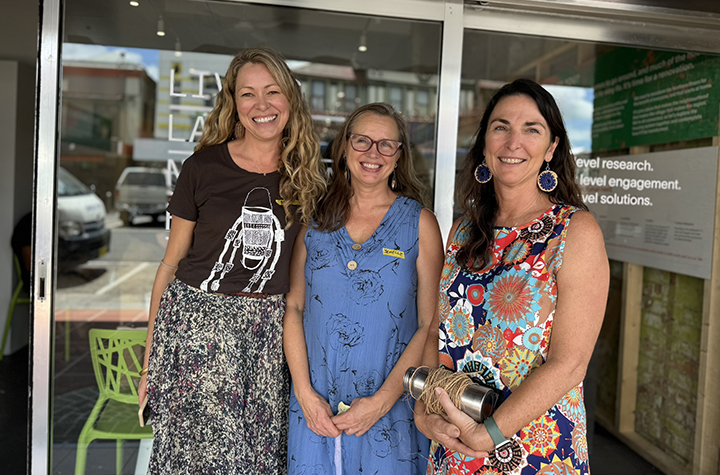
However, the project built on a much longer history of cultural knowledge sharing.
Nearly two decades ago, Merrkiyawuy "Merrki" Ganambarr-Stubbs, a Yolŋu Elder, educator, master weaver and knowledge holder from Yirrkala in the Northern Territory, began sharing weaving knowledge with Bundjalung women from Cabbage Tree Island.
Aunty Gwen learned the weaving practices from Merrki and later envisioned a community fishing net made from locally gathered fibres which would bring people together through cultural practice.
"While the project emerged in the aftermath of the 2022 floods, it also responded to longer histories of disruption caused by colonisation," said Dr Day.
"In a region where waterways, communities and cultural systems have been profoundly affected, the project created opportunities for people to reconnect with Country, culture and each other through cultural practice."
As the project progressed, the research team — including Dr Day, Dr Jenelle Benson from the Faculty of Science and Engineering and Aimee Andersen of the Centre for Teaching and Learning — recorded oral histories and the techniques of traditional string-making and net-weaving.
They noted these practices in turn fostered community connection and cultural governance.
Southern Cross University said highlighted the important roles cultural practice and objects play in building community and culture between and among Indigenous clans within the Bundjalung nation.
They said the project also recognised the reciprocal sharing of cultural knowledge across Nation groups (Yolŋu and Bundjalung), highlighting the relationships, trust and collective responsibility that support the continuation and renewal of cultural practice.
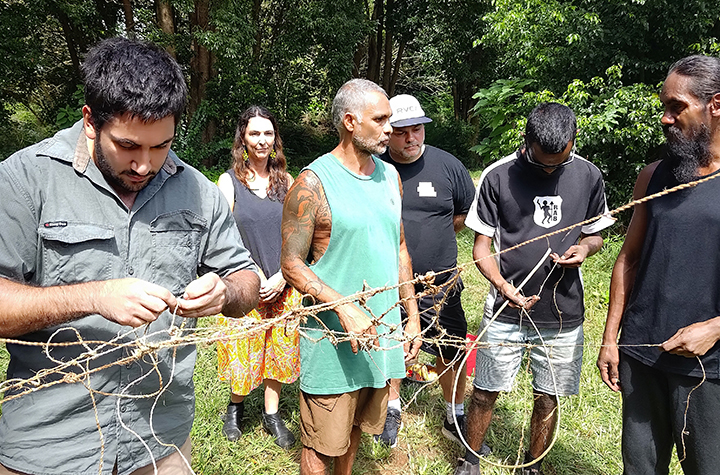
"Through the simple process of gathering fibres, making string, yarning and weaving, the project became much more than cultural revival," said Dr Jenelle Benson.
"It became a living expression of knowledge connected to Country, relationships and responsibility."
The project strengthened relationships between Indigenous and non-Indigenous participants by creating safe spaces for shared learning while keeping Indigenous leadership and protocols at the centre.
Co-author Aimee Andersen said the process showed the importance of involving both women and men in cultural practice.
"Women's voices and leadership were especially important in string-making, storytelling, and transmitting cultural knowledge," Ms Andersen said.
"Women gathered, prepared and wove fibres while sharing stories, strengthening relationships and building community. The string was then passed to the men, who continued the process by tying knots and shaping the net, adding their own stories and knowledge."
Researchers found the ongoing barriers to cultural practices in Bundjalung Country included limited recognition of Indigenous cultural property, restricted access to ancestral places, environmental concerns such as plastic fishing nets and ghost nets, and the need for stronger legal and educational recognition of Indigenous Knowledge systems.
Despite this, Dr Day said, "revitalising the Bundjalung practices of string-making and net-making, thereby creating a safe platform for yarning, demonstrates the ongoing relevance of Indigenous ways of knowing and being".
"Based on the findings in this paper, we encourage Indigenous communities across Australia to create similar projects that re-engage with their own cultural practices," she said.
The study, Unravelling colonial threads: Stories behind the fishing net: Sitting with the aunties can be found online.



