




The Western Australian Commissioner for Children and Young People says she's been "deeply concerned" about youth detention since she began her role, while urging transformation from punishment to rehabilitation in the state.
In a submission to the youth justice inquiry, Commissioner Jacqueline McGowan-Jones said "transformational change which prioritises child wellbeing" is needed in the system, which has seen two incarcerated children die in the last 12 months.
"In line with national and international evidence, I advocate for youth justice approaches that prioritise holistic early intervention, prevention and diversion, rehabilitation and reintegration, and therapeutic methods," Ms McGowan-Jones said.
"Detention should be a last resort for children and young people, yet current juvenile justice systems primarily react to situations rather than emphasising prevention, intervention, and rehabilitation."
Ms McGowan-Jones said there was a need to "prioritise the enhancement of youth justice initiatives" in WA, to both support young people and prevent crime.
"While progress has been made through early intervention and diversion programs, many of these efforts fall short due to inadequate follow-up assistance."
By emphasising accountability and rehabilitation over punishment, minimum legislated standards for youth justice administrators tackle the root causes of youth offending and lead to positive outcomes for young people, the Commissioner added.
She said Scotland and Spain offer "innovative approaches" to reducing youth detention by prioritising rehabilitation and support over punishment.
"Ultimately, reform is needed to ensure that detention serves not as punishment but as a constructive measure for rehabilitation," she said.
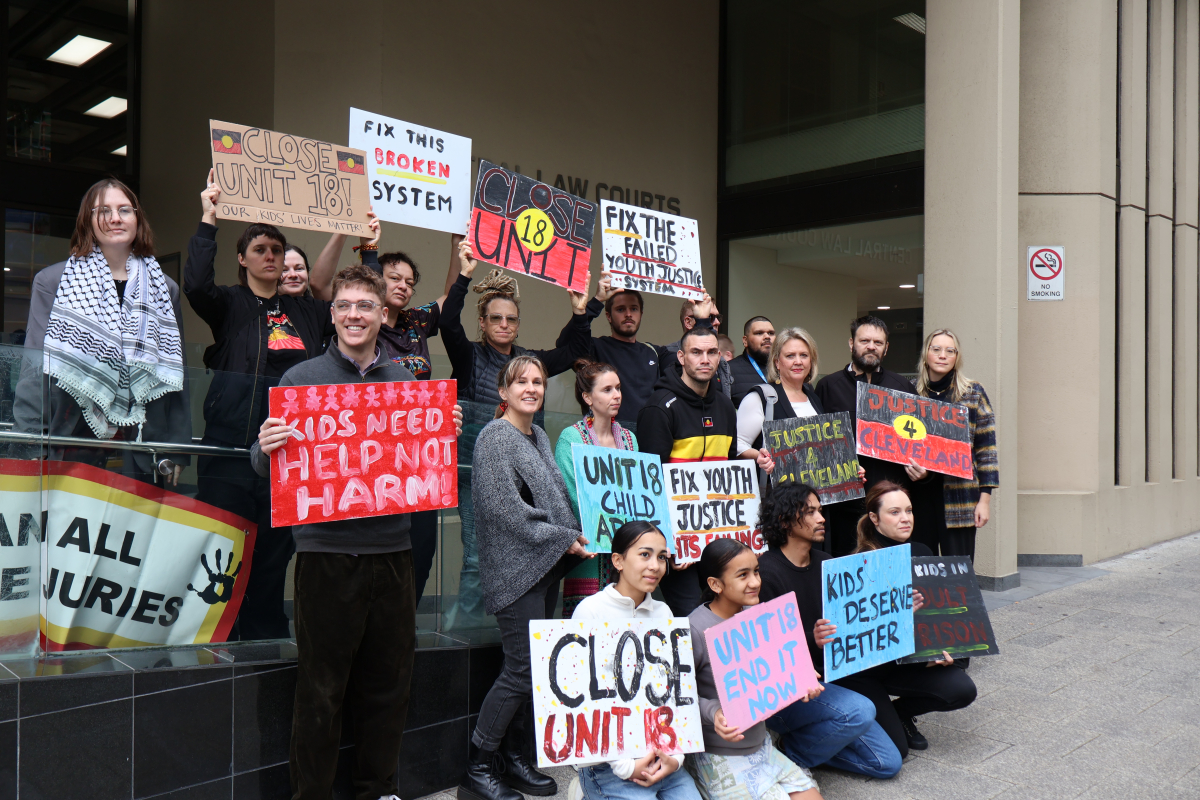
Commissioner McGowan-Jones, an Arrente/Warramungu woman who has been in the role since the beginning of 2022, said she announced her intention to conduct an Inquiry into the implementation of the new care model at Banksia Hill Detention Centre after "serious issues regarding the wellbeing and safety of both staff and detainees" in early 2023.
The Hear Me Out report, compiled after Cleveland's death, heard from 43 children and young people as well as 40 staff members and 20 service providers.
It found many children and young people experienced racism and often miss out on seeing their families during lockdowns.
The Commissioner said it was clear many children "struggled to connect their actions with consequences" which is often linked to their age and complex needs.
These include neurodivergence, intellectual disabilities and other disabilities including history of trauma, she said.
Citing a study from 2018, former Australian of the year Professor Fiona Stanley submitted to the inquiry that one in three of the young people assessed in WA youth detention had fetal alcohol spectrum disorder (FASD).
"This is the highest known rate of FASD among any population involved in the justice system," she said.
In her submission, the Commissioner also backed legal, human rights, Indigenous and medical experts in calling for the age of criminal responsibility to be raised to 14.
WA's age is currently at ten, with no plans to raise it.
"Research indicates that children under 14 lack the cognitive and neurodevelopmental capacity to make informed decisions," Commissioner McGowan-Jones said.
"This is crucial for staff to grasp, as misconceptions can lead to misunderstandings and hinder the development of relational security which has a snowball effect."
WA has been heavily criticised for its youth detention model, which is administered by the same department that oversees adult detention.
In 2023, 16-year-old Yamatji boy Cleveland Dodd died after being found unresponsive in his cell at Unit 18 in the adult Casuarina prison, whilst August this year, a 17-year-old teenager who identified as Indigenous took their own life while in custody at Banksia Hill Youth Detention Centre.
In the wake of the 17-year-olds death, the Commissioner was forced to reject claims by Corrective Services Minister Paul Papalia that she gave a "glowing" recent review of Banksia Hill as per the Hear Me Out report, whilst in the same month, Kurin Minang human rights expert and law academic Dr Hannah McGlade said the minister was not fit for the job, arguing "he is not capable of leading reform and he lacks the knowledge and experience – and it is not clear he has the commitment either".
During the inquest into Cleveland's death, the longest serving judge of the WA children's court, Denis Reynolds, said there was a "false premise" on how children in detention are viewed.
"In my view, they are vulnerable children," he told the court. "They have neurodevelopmental issues and have loads of trauma."
"When you have vulnerable children like that coming into a detention centre and placed into solitary confinement, that treatment is the cause of behaviours that include the damage."
Last week, National Indigenous Times revealed 154 issues had been raised by children with the WA ombudsman regarding the youth justice system - most of them concerning the conduct of prison staff – in the last five years.



