




The overwhelming majority of Indigenous, medical, and human rights groups have told the national youth justice inquiry a dramatic overhaul of the system is needed, including raising the age of criminal responsibility and better protecting the welfare of increasingly vulnerable children.
In submissions to the Senate inquiry into youth justice and detention systems across the country, a number of leading organisations and individuals say urgent change is needed, citing appalling conditions in youth prisons, a disregard for serious medical conditions and a lack of therapeutic benefits to locking up children.
The inquiry, set up in the wake of the second young person to die in youth custody in WA in less than a year, will deliver its findings to the federal government before the end of the year.
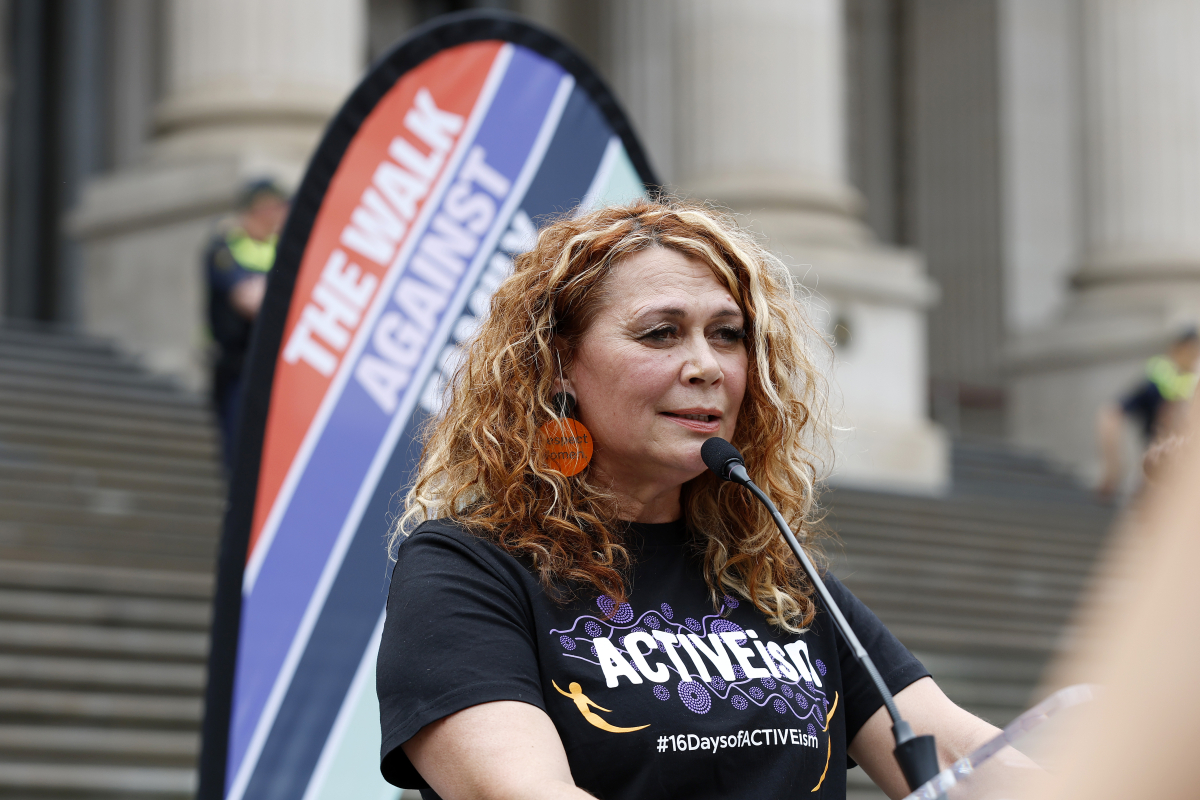
Djirra chief executive Antoinette Braybrook highlighted the voices of Aboriginal Community-Controlled Organisations (ACCOs), as well as several mainstream groups, in calling on all governments to raise the age of criminal responsibility from 10 to 14 years of age.
"Children do not belong in prisons," she said.
"Criminalising and incarcerating Aboriginal and Torres Strait Islander children compounds the intergenerational trauma that so many of our children sadly already carry."
While state premiers push the Prime Minister to block children under 14 or 16 from accessing social media - often citing evidence from experts - the same rationale is ignored when it comes to raising the age of criminal responsibility.
The majority of the 800 plus children in youth detention in Australia are on remand —waiting to be sentenced.
Some are refused bail due to their living conditions; others have been made to choose between incarceration or living with known abusers.
Many of the children have disabilities, suffer from trauma and/or mental health issues.
Citing a study from 2018, former Australian of the year Professor Fiona Stanley submitted one in three of the young people assessed in WA youth detention had fetal alcohol spectrum disorder (FASD).
"This is the highest known rate of FASD among any population involved in the justice system worldwide."
The Royal Australian College of General Practitioners (RACGP) urged the federal government to implement all 24 recommendations from National Children's Commissioner Anne Hollonds' Help Way Earlier report "as a matter of priority".
Calling for the raising of the age, the RACGP cited evidence that children's brains are still developing through their adolescent years.
"Many young people at risk of incarceration experience significant health issues, including in physical, psychological and behavioural health, and so need holistic healthcare and wrap-around support," they wrote in their submission to the inqury.
Speaking at the National Press Club, Commissioner Hollonds said some politicians had told her there are "no votes in children" when she has tried to raise the issue of youth justice.
In their submission, the RACGP said: "Politically motivated decisions to lower the age of criminal responsibility harm young people."
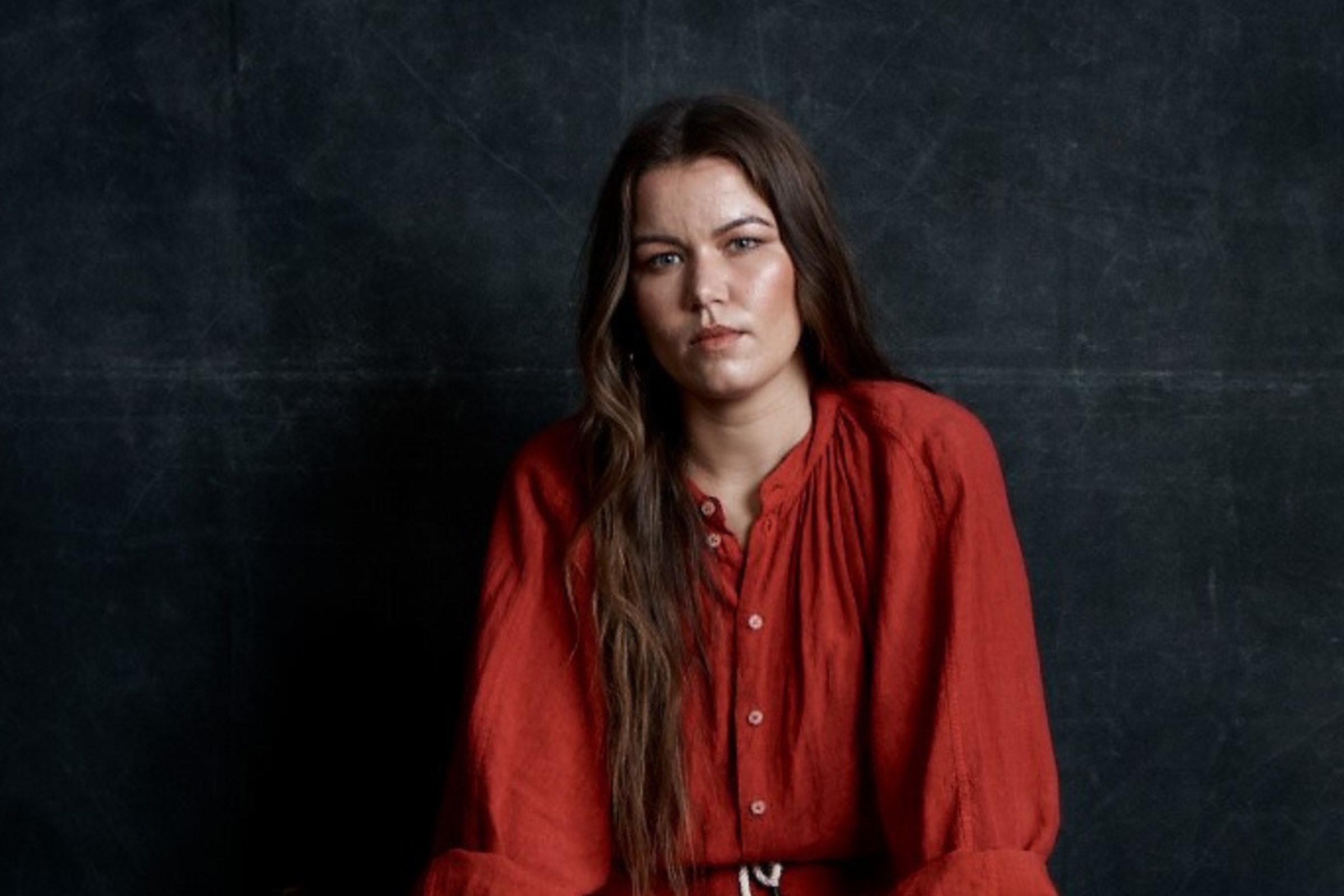
The ACT Aboriginal and Torres Strait Islander Children and Young People Commissioner, Vanessa Turnbull-Roberts, highlighted the intersection of children forcibly removed from their families with youth incarceration.
"I continue to see children and young people who are at most risk, systemically marginalised, subject to youth prison, and the devastating implications of family and community separation," she said.
Citing the need for self-determination and partnerships with ACCOs, Commissioner Turnbull-Roberts said: "Governments at all levels must do much more to address the drivers of involvement in family policing and youth justice."
"This involves addressing poverty and marginalisation and providing wholistic and targeted culturally competent support for vulnerable First Nations families," she said.
This was reiterated by the Queensland Aboriginal and Torres Strait Islander Child Protection Peak (QATSICPP), who submitted substantive drivers into the youth justice system include a lack of "adequate, culturally safe and attuned services" and supports children and young people can access.
They said this results in "poor early interventions in both [the] education and mental health system".
Overwhelmingly, organisations cited a lack of therapeutic support for children, arguing the pipeline of children into youth justice began early and was stymied by a lack of government support for human rights, as well as an urgent need to raise the age.
"To stop the pipeline of children into prisons, the minimum age of criminal responsibility must be raised to at least 14 years old, without exception, alongside legislating a minimum age of detention of at least 16 years old," Change the Record and the Human Rights Law Centre submitted.
"Access to diversion must be maximised, and power and resources transferred to ACCOs and other services to build alternative, culturally safe responses backed by the evidence."



