


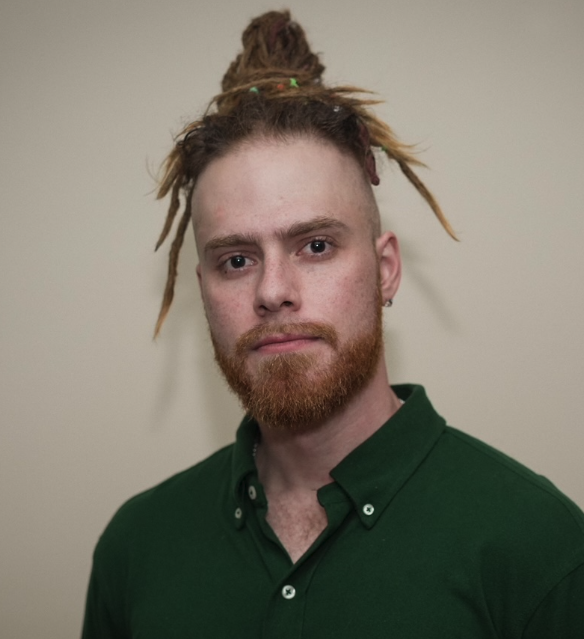

Three Indigenous health professionals have been named recipients of the 2026 Ian O'Rourke Scholarship, supporting work to improve patient safety and culturally safe care across NSW Health.
The Scholarship supports Aboriginal and Torres Strait Islander health professionals to develop projects, research and professional skills aimed at strengthening patient safety and culturally responsive healthcare across NSW.
Ngiyampaa woman Tiarna Wakley, Gumbaynggirr woman Jane Linton, and Dieri, and Paakintji and Mulyangaba woman Corina Kemp were selected following applications from across NSW Health.
The Clinical Excellence Commission scholarship supports Aboriginal and Torres Strait Islander health professionals to further develop their leadership, knowledge and expertise in patient safety and culturally responsive healthcare.
Ms Wakley was raised on Wiradjuri Country in Dubbo, with strong cultural and family connections to Ngiyampaa, Barkindji and Wiradjuri communities across western NSW.
She now lives and works on Awabakal Country in Newcastle as an Aboriginal Health Practitioner, supporting Aboriginal people accessing healthcare.
For Ms Wakley, improving patient safety includes ensuring Aboriginal people feel heard and culturally safe when using health services.
"I want to know that when a family member of mine presents to any health service, they are listened to and they come home to us," she said.
Her work is guided by ensuring "our mob feel listened to, empowered and safe when accessing our health services".
She plans to use the scholarship to support university studies, placements and professional development while continuing to work full-time.
"It is an absolute honour to be selected, and I'm incredibly grateful for the opportunity," Ms Wakley said.
Ms Linton works as a Coordinator and Physiotherapist at Grafton Base Hospital's Knee and Hip Arthritis Service.
She is also completing a PhD through the University of Sydney at the University Centre for Rural Health in Lismore.
Her clinical and research work focuses on ensuring Aboriginal patients feel safe, respected and welcomed within healthcare services, with care centred on their needs.
Ms Linton plans to use the scholarship to support her PhD studies and professional development while building connections with researchers, clinicians and Aboriginal communities.
Her research focuses on strengthening musculoskeletal healthcare for Aboriginal and Torres Strait Islander peoples.
"I believe all patients should feel safe in healthcare settings," Ms Linton said.
Ms Linton described receiving the scholarship as "wonderful news", with the funding providing additional support while balancing clinical practice and higher degree research.
"It will help me overcome financial barriers to study and ensure I have dedicated time and resources for the networking, engagement and knowledge-sharing activities that are integral to my PhD," Ms Linton said.
Ms Kemp works as Director Aboriginal Health and Community Relations with Far West Local Health District, supporting Aboriginal communities across the region.
Her work focuses on improving Aboriginal health outcomes and ensuring patients feel culturally safe, respected and able to access healthcare without racism or discrimination.
"Without Aboriginal patient safety, our Aboriginal people will continue to experience poorer health outcomes than our non-Indigenous counterparts," Ms Kemp said.
Improving communication between health services and Aboriginal communities is also a focus of her work.
Ms Kemp plans to use the scholarship to support a workplace project aimed at reducing the number of patients who leave care before treatment is completed.
The project will include travel to remote sites, community engagement and resource development, with Aboriginal communities involved in shaping culturally safe resources and services.
Clinical Excellence Commission chief executive, Adjunct Professor Michael Nicholl, said Aboriginal leadership was important to improving patient safety.
"Improving Aboriginal patient safety requires leadership that is informed by culture, community and lived experience," Mr Nicholl said.
"This year's recipients are already making a difference in their workplaces and communities, and we're proud to support their continued development as leaders in Aboriginal health and patient safety."



