



Continuing on from its celebrations of '50 Years of Deadly,' Jetstar treated passengers travelling to Uluru with a very special flight last week.
Jetstar wrapped up NAIDOC Week with a memorable journey from Gadigal Country to the red centre by the second all-Indigenous crewed flight in the airline's history.
Whether travellers had read their emails or were left pleasantly surprised by the occasion, the special flight was embraced by all - with language and culture at the forefront, all while relishing in entertaining activities.
Children were encouraged to let their creativity flow by participating in a colouring-in competition, while those of all-ages were invited to battle it out in a trivia quiz testing passengers on their knowledge of Indigenous cultures. Spirits were high and smiles fluttered through the skies.
Jetstar, part of the Qantas Group have maintained its commitment to reconciliation, with its efforts running far deeper than an all-First Nations-operated crew.
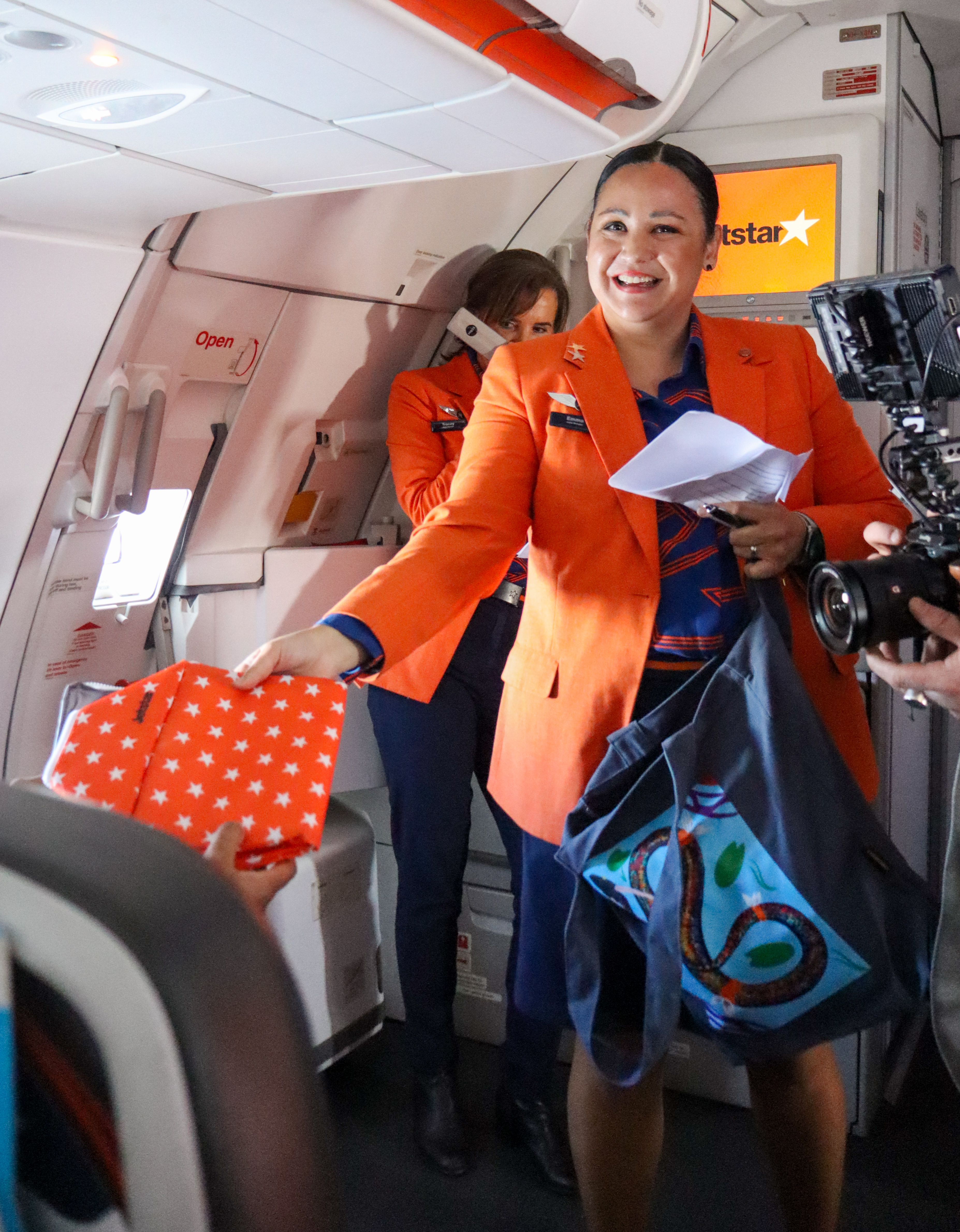
Speaking to National Indigenous Times, Emma Harbrow, who has been with the company for two decades, has worked her way up from a Cabin Crew role to Manager and now leads the Elevate Leadership Program.
"We come from the Torres Strait Islands, we come from Gamilaroi Country, Dukinjung Country - everywhere. So we're all here having a wonderful time in Uluru, spending time together and celebrating our culture and '50 Years of Deadly'," said Ms Harbrow.
Having recently been celebrated at the Qantas Group NAIDOC Awards, Ms Harbrow adds to her accomplishments with the Qantas Group taking home the Trailblazer award for her cultural leadership.
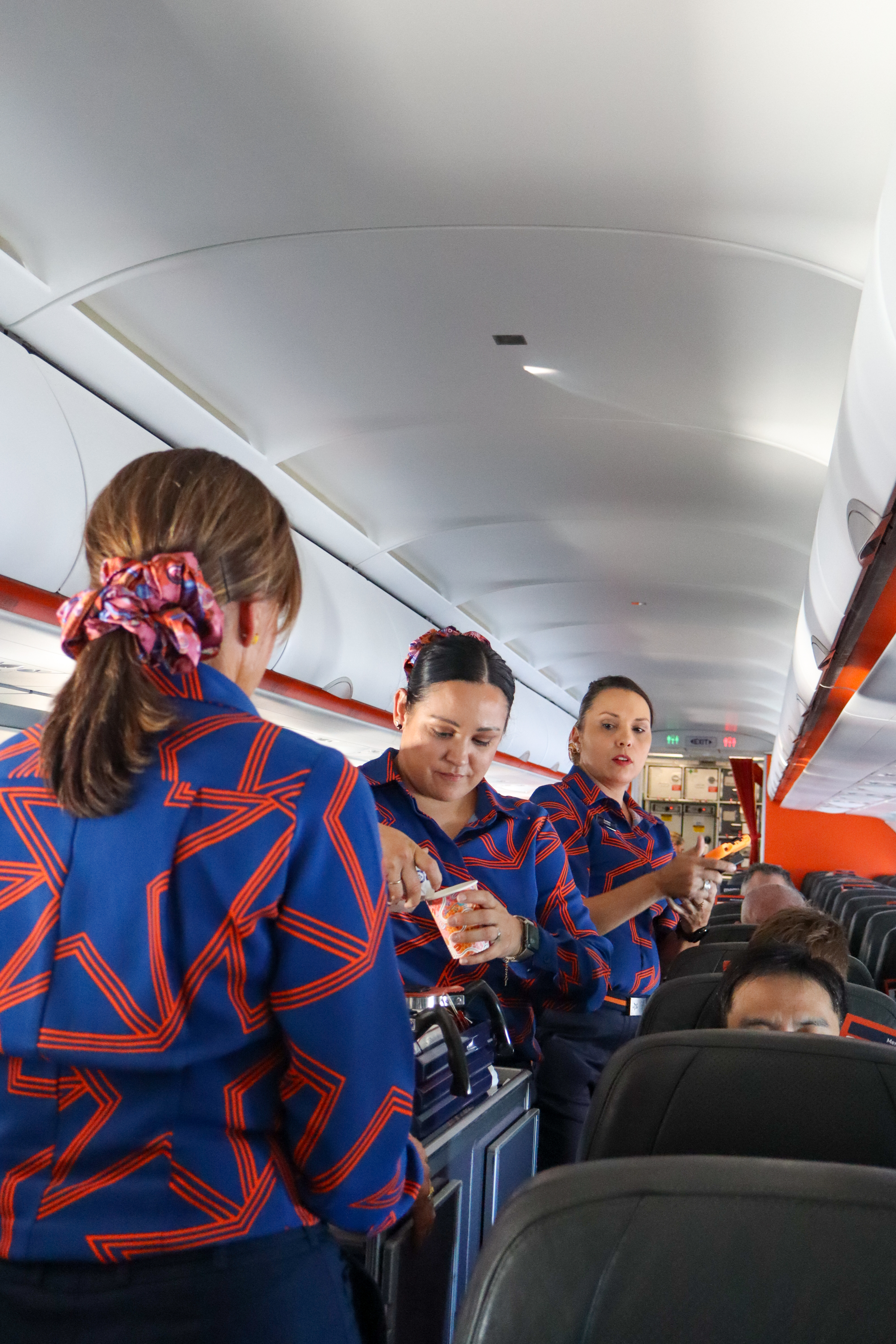
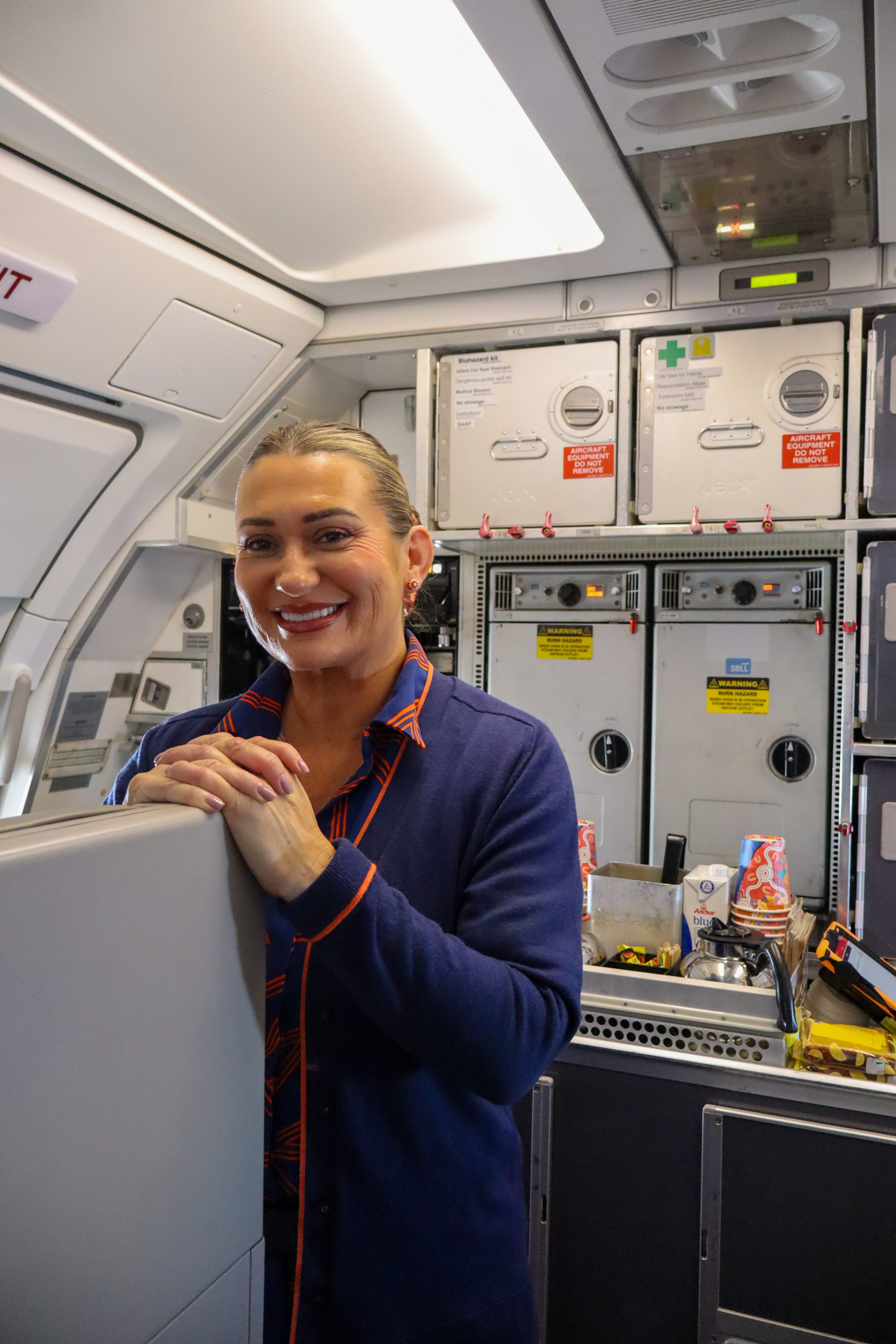
Growing up in the Top End, Leeya Welsford has also seen her career progress from starting out as a regular Cabin Crew member, to finding herself training the new generation of stewards and stewardesses and now at the helm of cabin duties as a Manager.
Ms Welsford's heartfelt message to First Nations youth considering the aviation industry is loud and clear, taking to the skies is a "life-changing experience."
"It does open up many opportunities to learn different skills, to meet different people, to travel to different locations and learn different things," she said.
"Once you do get into the industry, you're always forever learning. It's a wonderful environment to work in, a unique environment and I really recommend any one thinking of joining the aviation industry to do so.
"Especially with Jetstar, I have had a good career with Jetstar and the people there are amazing. You get supported and you always have a voice."
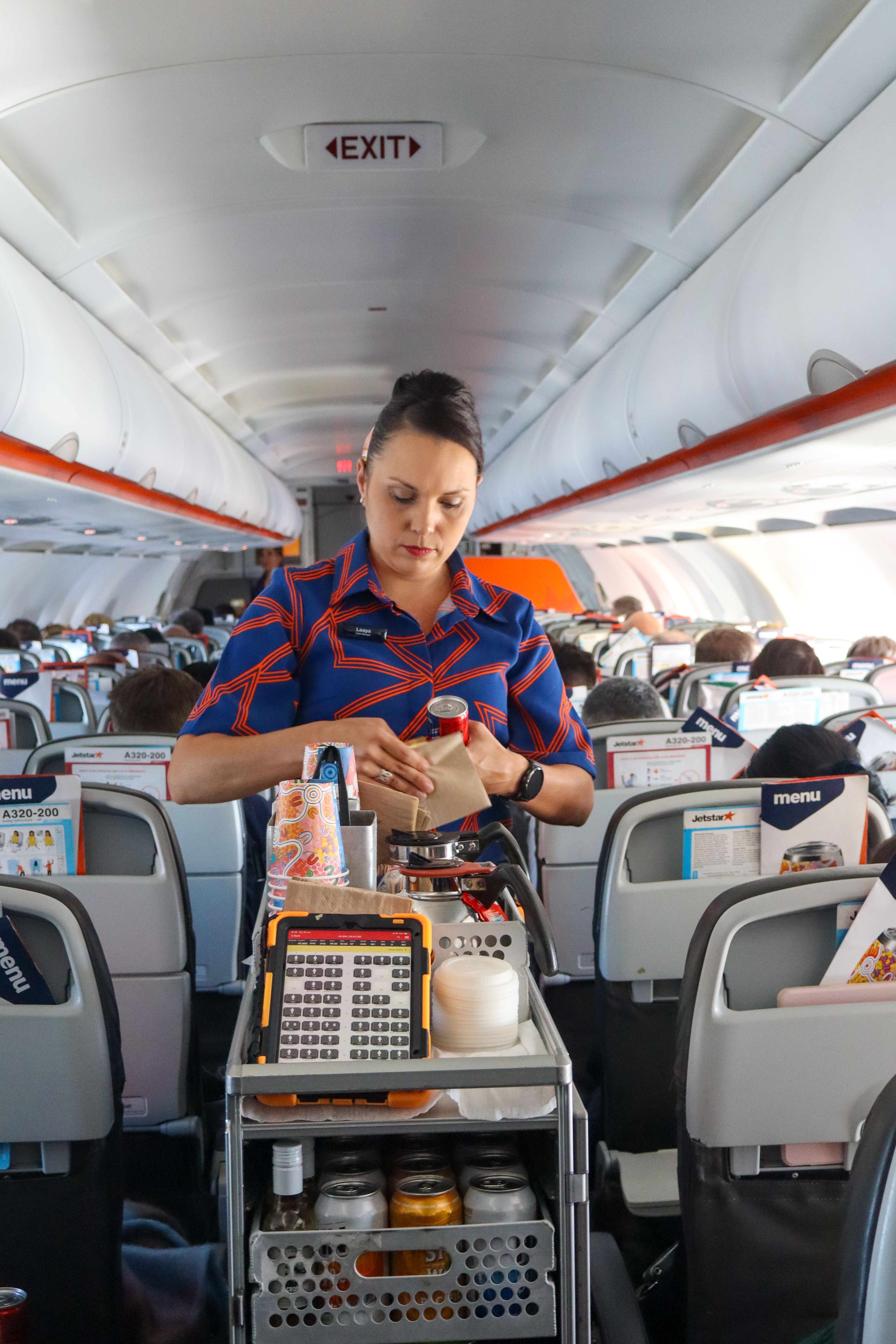
After being served a guava juice on her first-ever Qantas flight at nine years old, Nicole (Nikki) Croke knew she wanted to become a flight attendant.
Although she entered the industry later in life, Ms Croke told National Indigenous Times that pursuing her dream was a decision she never looked back on.
"It was the best decision of my life and I love what I do," she said.
While having no idea where this leap of faith would take her, Ms Croke has found herself working up to a managerial role and training the new generation of flight attendants.
"I only started off wanting to be a casual and now I've got many roles within Jetstar," she said.
For Jetstar pilots James (Jimmy) Knagge and Brett Butler, flying the airline's first First Nations-operated service to Uluru was about far more than getting passengers from one destination to another.
The pair described the flight as a moment of pride and connection, with the significance of the journey felt throughout the aircraft as it travelled towards one of the country's most recognisable cultural landmarks.
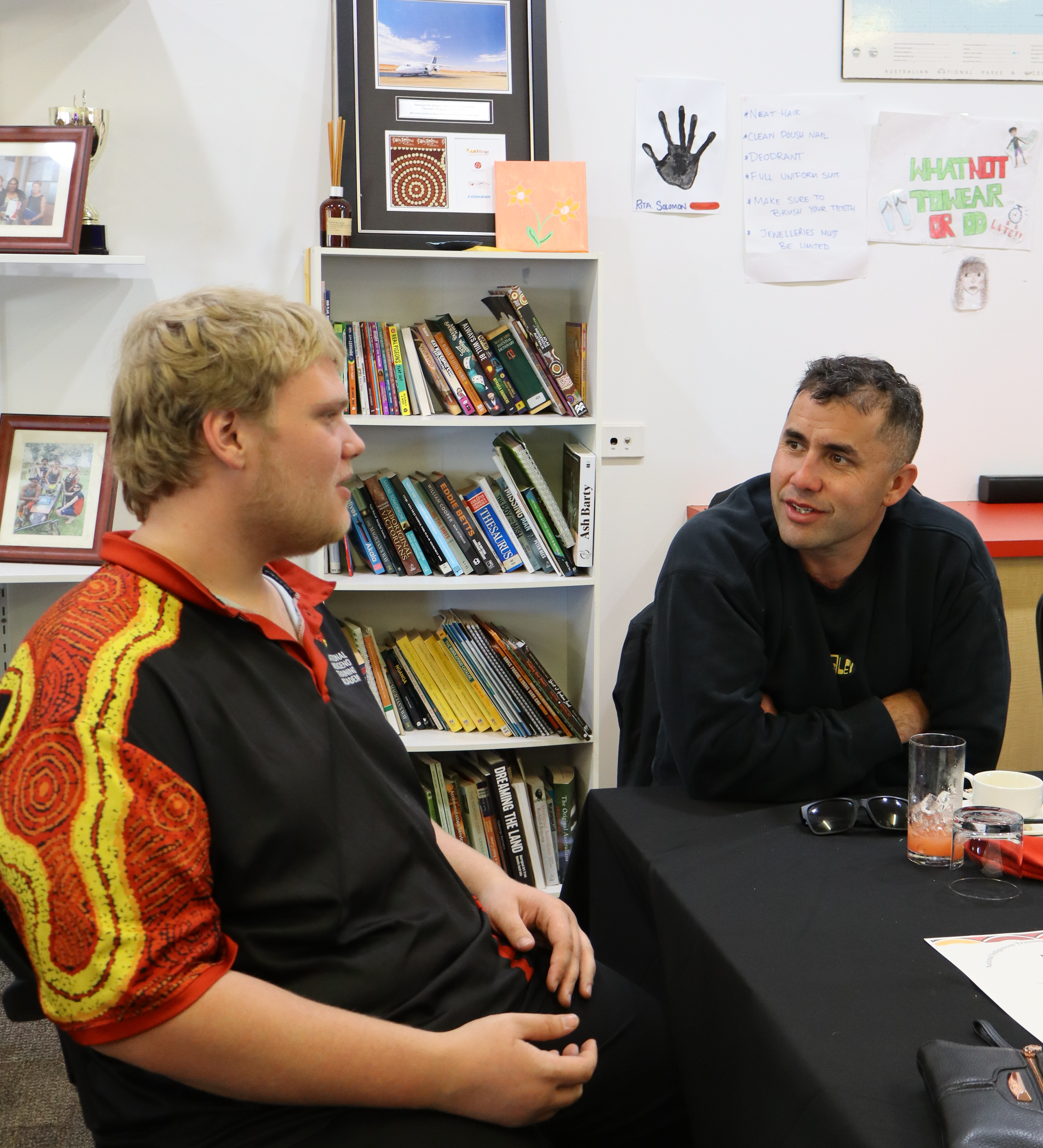
"For many of us, this wasn't just another sector on the roster. It was a chance to be part of something that reflects who we are and where we come from," shared Mr Knagge.
"As we approached Uluru, there was a real sense of pride in the cockpit. You could feel that this flight carried a deeper meaning for the crew and for the passengers on board."
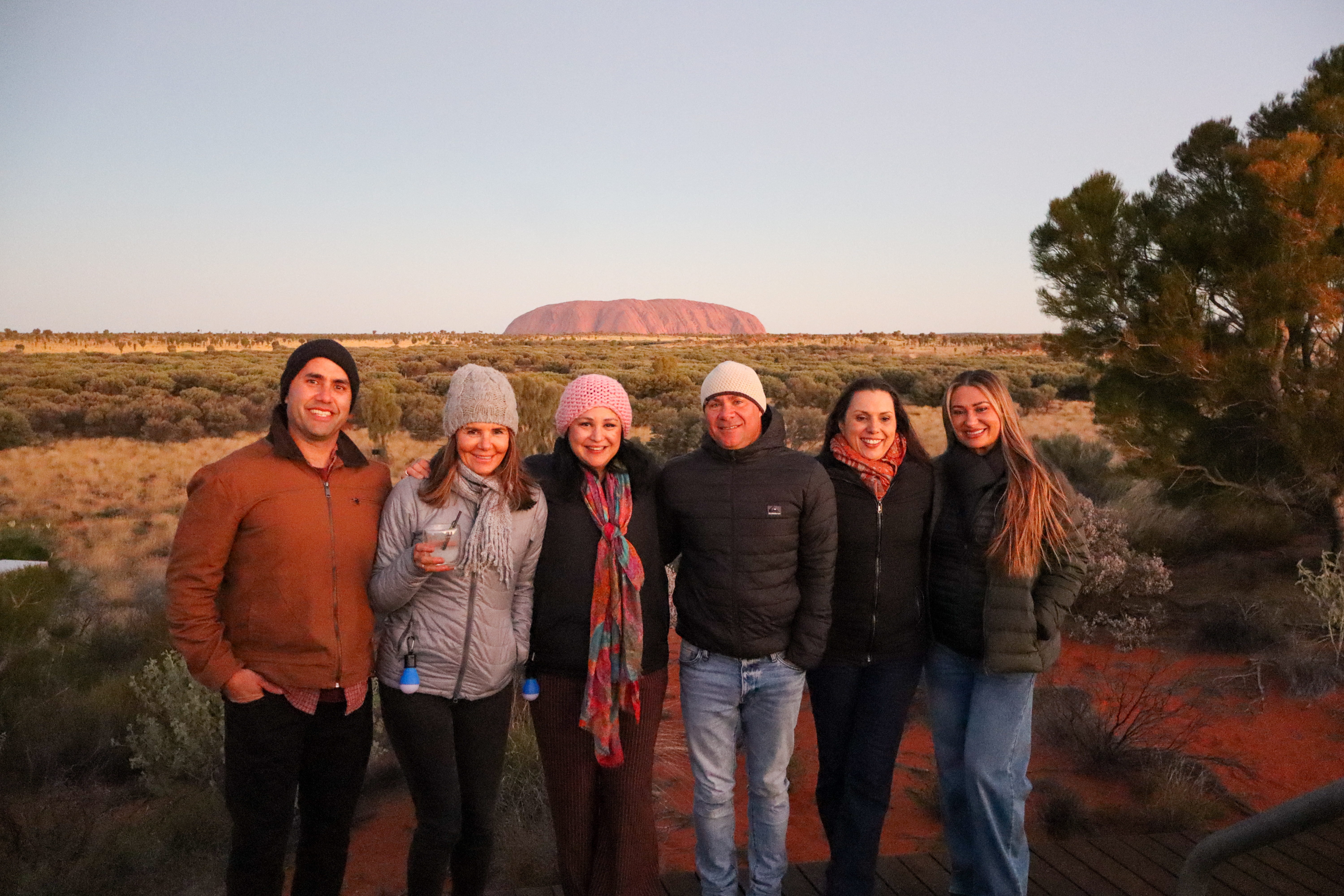
Having flown to Uluru multiple times, Mr Butler told National Indigenous Times, this flight was different.
"Knowing it was a First Nations-operated service gave the whole journey a different energy," he said.
"The conversations we had with passengers before landing showed how much this meant to people. It became more than a flight - it became a shared experience.
"To see First Nations leadership represented across the operation sends a powerful message to young mob who might be thinking about a future in aviation."
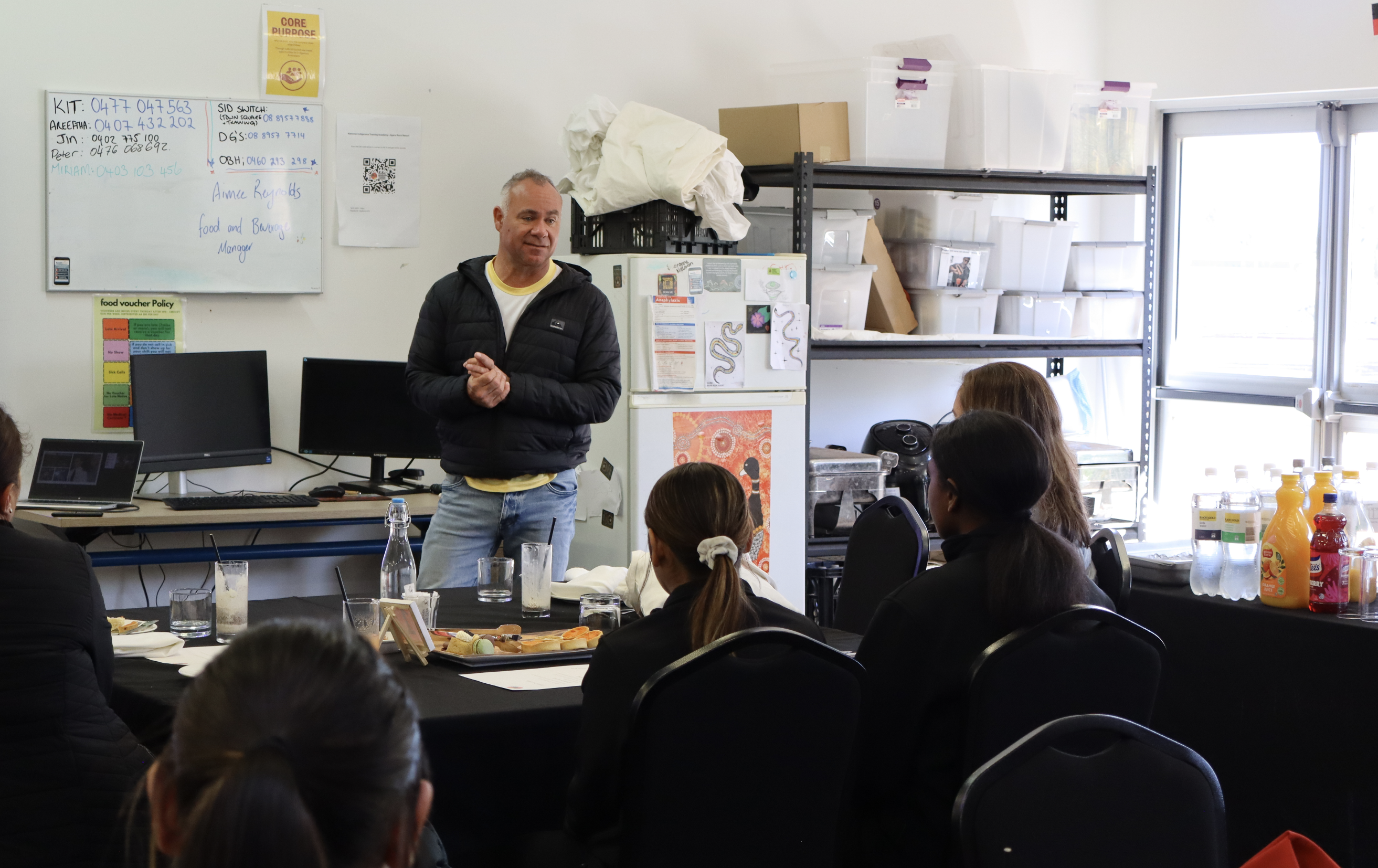
Cabin Manager Tracey Teveluwe summed up the emotions of all those who were a part of the special journey - proud.
"That's the major emotion," she said.
"I love working with all the crew - Emma, Leeya, Nikki, Jimmy and Brett. It was an amazing experience."
Note: National Indigenous Times travelled on the flight courtesy of Jetstar.



