


Reconciliation efforts across corporate Australia have grown over the past decade, however racism experienced by First Nations people continues as Indigenous leaders warn of growing division and backlash ahead of National Reconciliation Week.
Australia has 2.7 million actively trading businesses, including almost one million workplaces with employees, but just over 3000 organisations are active Reconciliation Action Plan partners.
Only a small number have reached the highest tier of commitment.
Racism experienced by First Nations people rose from 39 per cent in 2014 to 54 per cent in 2024, during the same decade Reconciliation Action Plans increased.
One in two First Nations workers still experience racial abuse at work, with experts warning it will take 118 years to change this.
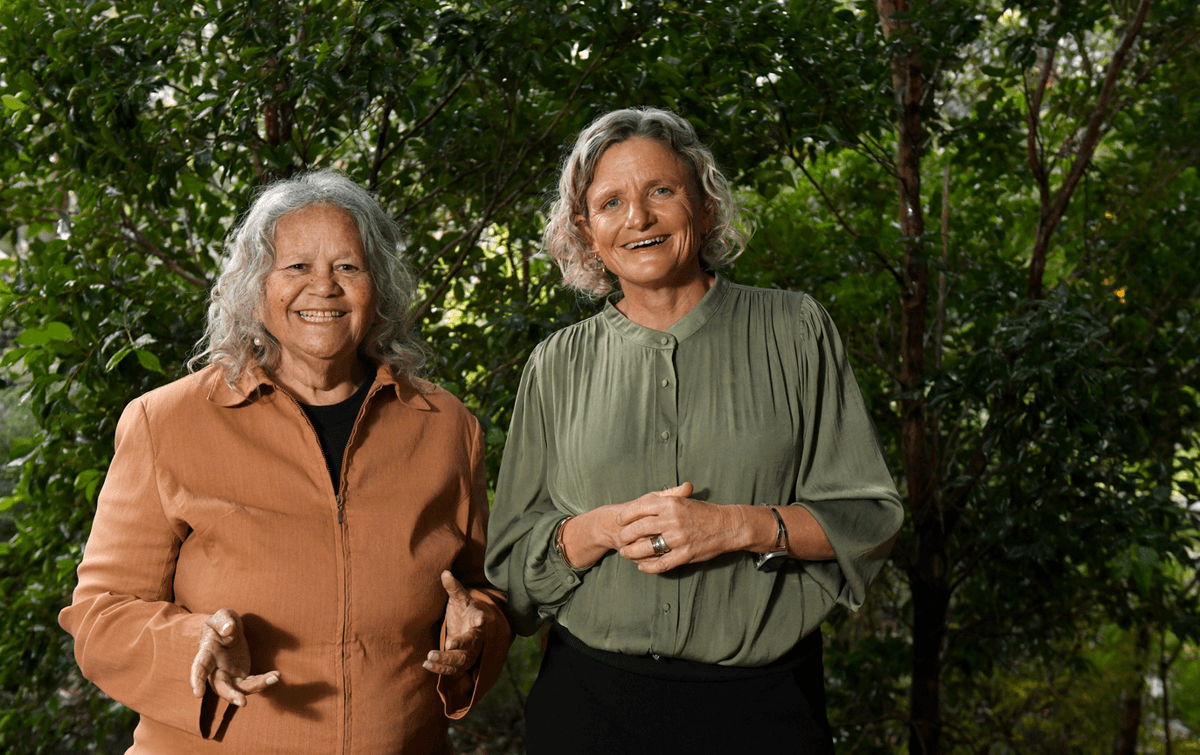
Bardi Elder and Evolve Communities co-director, Aunty Munya Andrews, said there was a growing disconnect between symbolic gestures and meaningful change.
She said Australia risked losing people from the reconciliation conversation.
"What worries me most is that Australia is beginning to lose people from the Reconciliation conversation," Aunty Munya said.
"When reported experiences of racism are rising while formal Reconciliation commitments are expanding, we need to dig deeper to find out why."
Aunty Munya said workplaces needed to move beyond comfortable gestures.
"Having a morning tea is great but if that's all you do - it's a problem," she said.
"The deeper risk is that we stay with the comfortable gestures and avoid the harder conversations about racism, responsibility and real change."
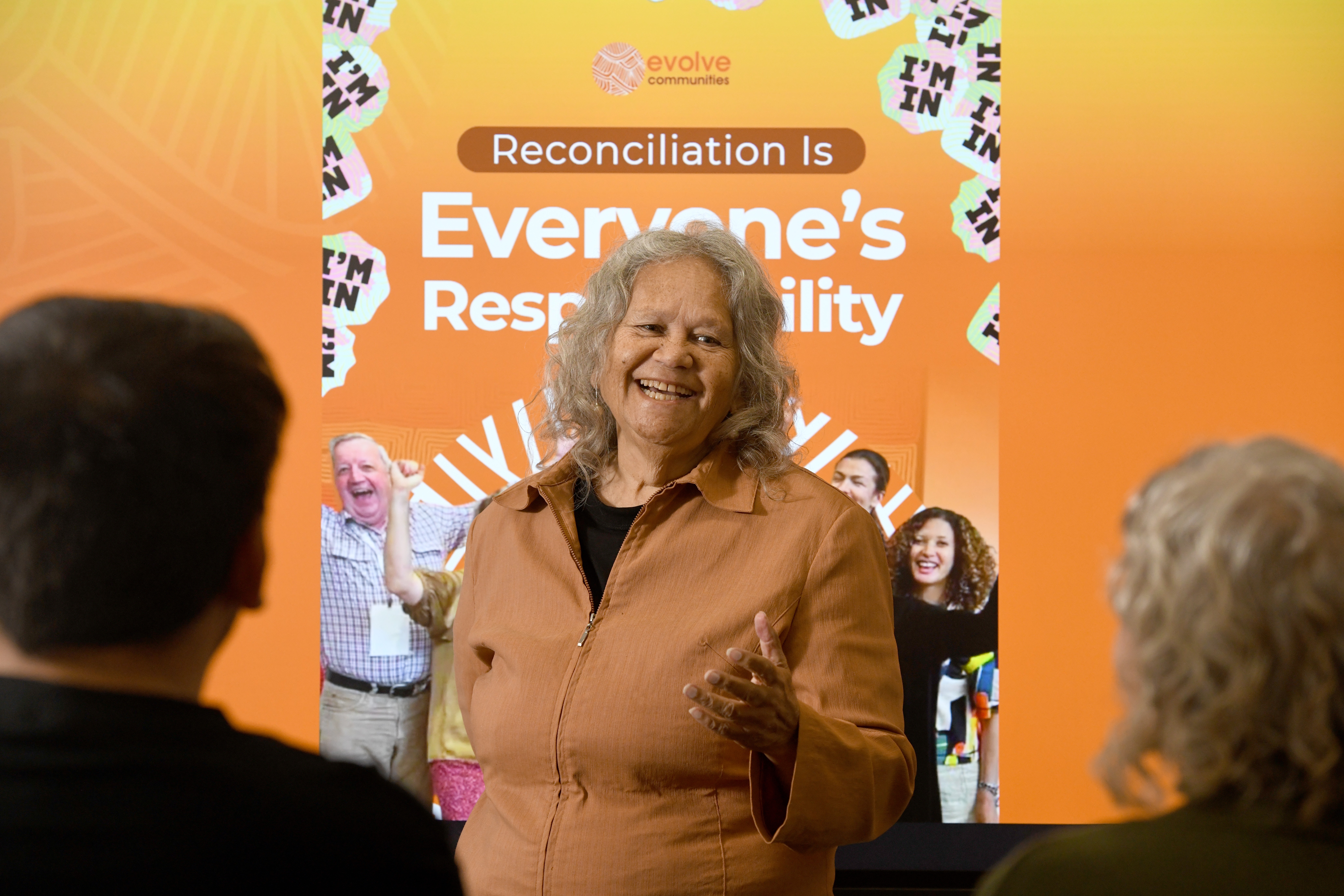
Aunty Munya said recent public backlash against Welcome to Country ceremonies should concern all Australians.
"We recently saw Welcome to Country ceremonies booed at Anzac Day services," she said.
"What really concerns me is the growing narrative that Welcome to Country is divisive."
She said Welcome to Country ceremonies were an invitation to come together.
"In this country, First Nations people and non-Indigenous Australians have never been joined," Aunty Munya said.
"We have been treated separately - socially, politically and even under the law.
"Welcome to Country is not what divides us. It is a generous act of Reconciliation inviting us to come together through our shared love of Country."
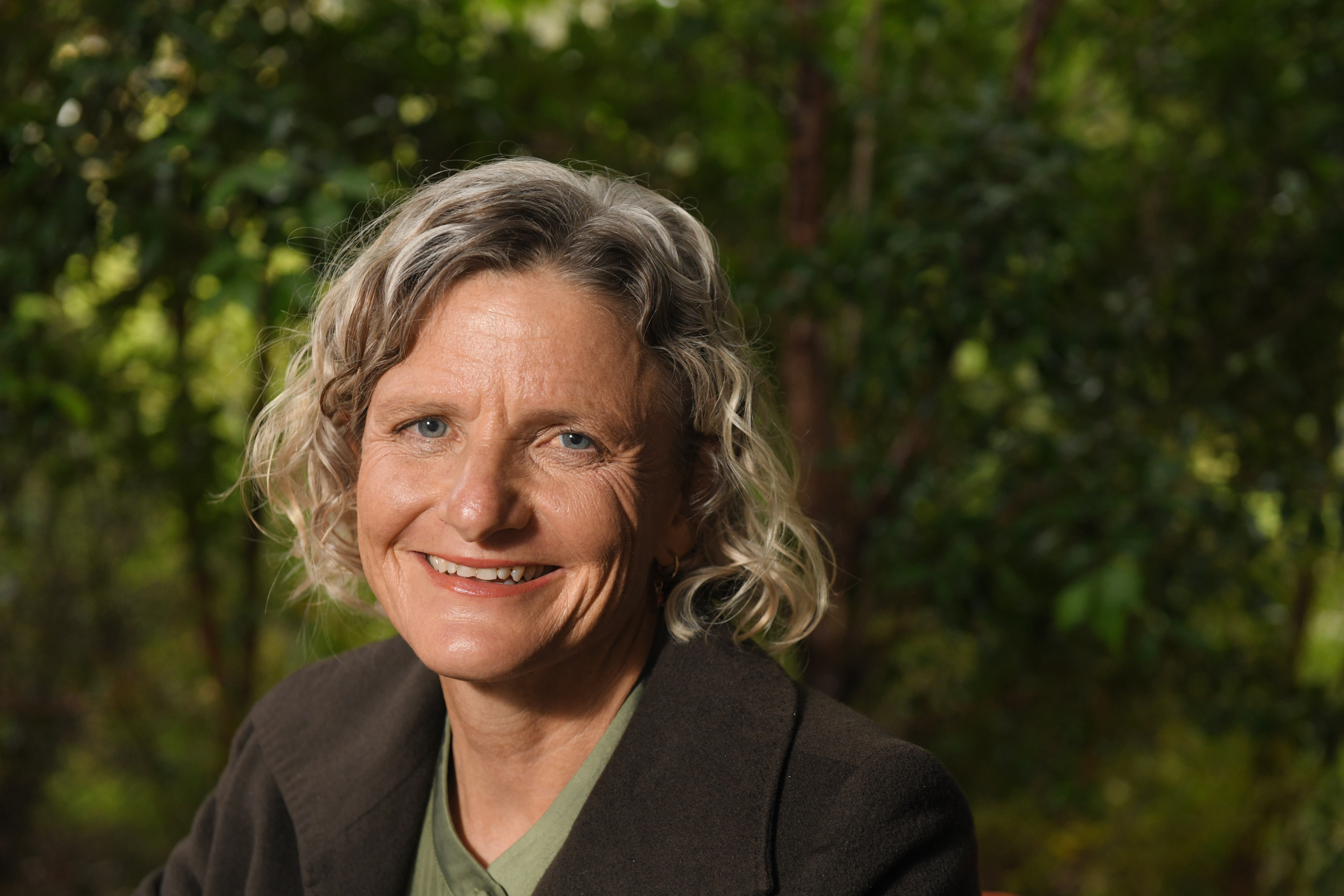
Evolve Communities non-Indigenous co-director, Carla Rogers, said workplaces were becoming increasingly uncertain about how to approach reconciliation in a more politically and culturally divided environment.
Ms Rogers said some Australians were reacting against actions they saw as symbolic.
"Australians are not necessarily rejecting Reconciliation itself. Some are rejecting what they perceive as corporate performance without meaningful action or honest conversation," she said.
"When people do not feel included in the conversation, backlash grows in the vacuum."
Ms Rogers said celebration could not replace work to address racism.
"Celebration matters, but it cannot replace addressing issues like racism," she said.
"Allyship means being willing to have hard conversations, including with people we may disagree with.
"Much of the division around Welcome to Country, for example, comes from misunderstanding - particularly around the meaning of Country - and from assumptions that have never been tested."
Evolve Communities has trained tens of thousands of people in cultural awareness and practical reconciliation, working with teams from organisations including Google, Atlassian, Woolworths Group, CSL, AMP Capital and Afterpay.
The organisation provides Indigenous cultural awareness, allyship and reconciliation training through online and in-person programs.



