




With Australia having the highest rates of rheumatic heart disease (RHD) in the world, and Indigenous children making up 90 per cent of the cases, more is needed to combat the scourge which is intrinsically linked to poverty.
Caused by untreated Strep A infections, RHD is linked to overcrowding and poor and often inaccessible sanitation with Indigenous children 55 times more likely to die from it than non-Indigenous children.
Two children die every week from the RHD.
The disease often initiates with untreated skin sores, culminating in severe health complications such as heart failure, stroke, or even necessitating life-threatening open-heart surgery.
On the day the Close the Gap report highlights a grim picture for Indigenous children and the need for urgent action, the Gurriny Yealamucka Health Services' (GYHSAC) in Yarrabah, north of Cairns, is spearheading the MooGoo Prevent RHD Program.
Yarrabah, with more than 4,000 residents in 400 cramped residences lacking adequate water and sanitation, counts at least 165 cases of RHD.
Providing natural hygiene products to high-risk communities through community-led programs and public refill stations, Public Health Coordinator at GYHSAC, Renee Gross, says the specially designed, sustainable, and community-driven programs help to ensure lasting access to quality hygiene products and embedding lifelong habits for healthier communities.
"The MooGoo Prevent RHD Program is a success in Yarrabah due to the specially designed suite of programs that support frequent and effective use of MooGoo products and ensure MooGoo products provided are easily accessible and readily available without having a negative impact on our environment," she says.
Jaru, Punaba and Bunal Bardi woman and GYHSAC chief executive, Suzanne Andrews, said hygiene was critical to preventing RHD.
"RHD is entirely preventable, yet it continues to devastate Indigenous communities," she said.
"Our partnership with MooGoo ensures families can access essential hygiene products, while our public health teams work to instil lifelong habits in children and parents."
Melody Livingstone, MooGoo's chief executive, said they were hoping that through the programme, there would be a reduction in "RHD cases in these communities and that these statistics can be used to put in place a more permanent solution".
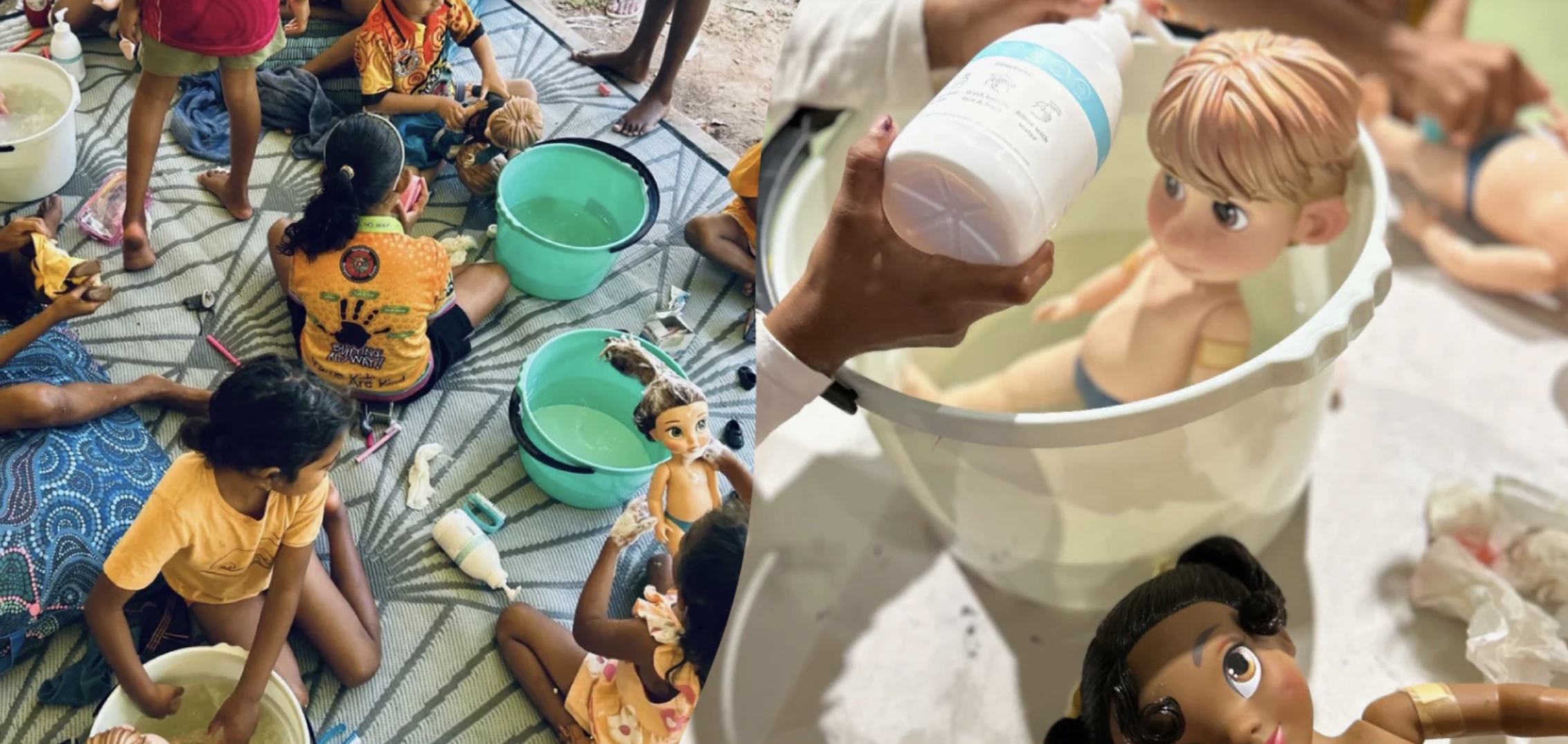
The programs include:
• The Yarrabah Soap Program aims to support Yarrabah community members obtain and enjoying personal hygiene, skin, and hair care products, via community refill stations of Milk Wash.
• The Healthy Skin Heroes Program is an interactive school lessons program helping children learn through play-based learning strategies how to prevent infection in minor cuts as well as reinforcing healthy habits.
• The Healthy Skin Pack Program offers a provision of individualised Healthy Skin Packs to every student who attends school in Yarrabah.
Mr Gross says the programs are a "small but vital piece of the puzzle" in the battle against RHD.
She said they focused on things they can change, as well as supporting the community in a "positive, fun and engaging manner," arguing the beauty of that means "everyone can take ownership of that part of the puzzle".
"Our joint visionary mentality and MooGoo's flexibility to come for the ride and support our programs long-term helps give our communities the best chance of making positive change," she said.
"Sustained over time we are able to increase the likelihood of improved health outcomes linked to access and frequent use of essential hygiene products."
More information on the program can be found online.



