



There have been no fluent speakers of Bangerang for a number of generations, but new documentation and resources are keeping parts of the language alive, and hopefully for generations to come.
Key points:
- A University of Melbourne-led, First Nations community and people-driven language revitalisation project has reached a major milestone
- 50 words in 100 different First Languages across the continent have been document in audio recordings spoken by language speakers
- The online resource is being credited as an important step in language movements, even aiding those at risk of becoming "extinct" and connecting others to their culture
Spoken by the Bangerang people from parts of what is now northern Victoria and southern New South Wales, the language is one of 100 so far, from all across the continent, included in a growing of a preservation and revitalisation initiative using spoken words in audio recordings.
Resourced by University of Melbourne's Research Unit of Indigenous Language the 50 Words Project aims to create documentation of every Indigenous language in Australia.
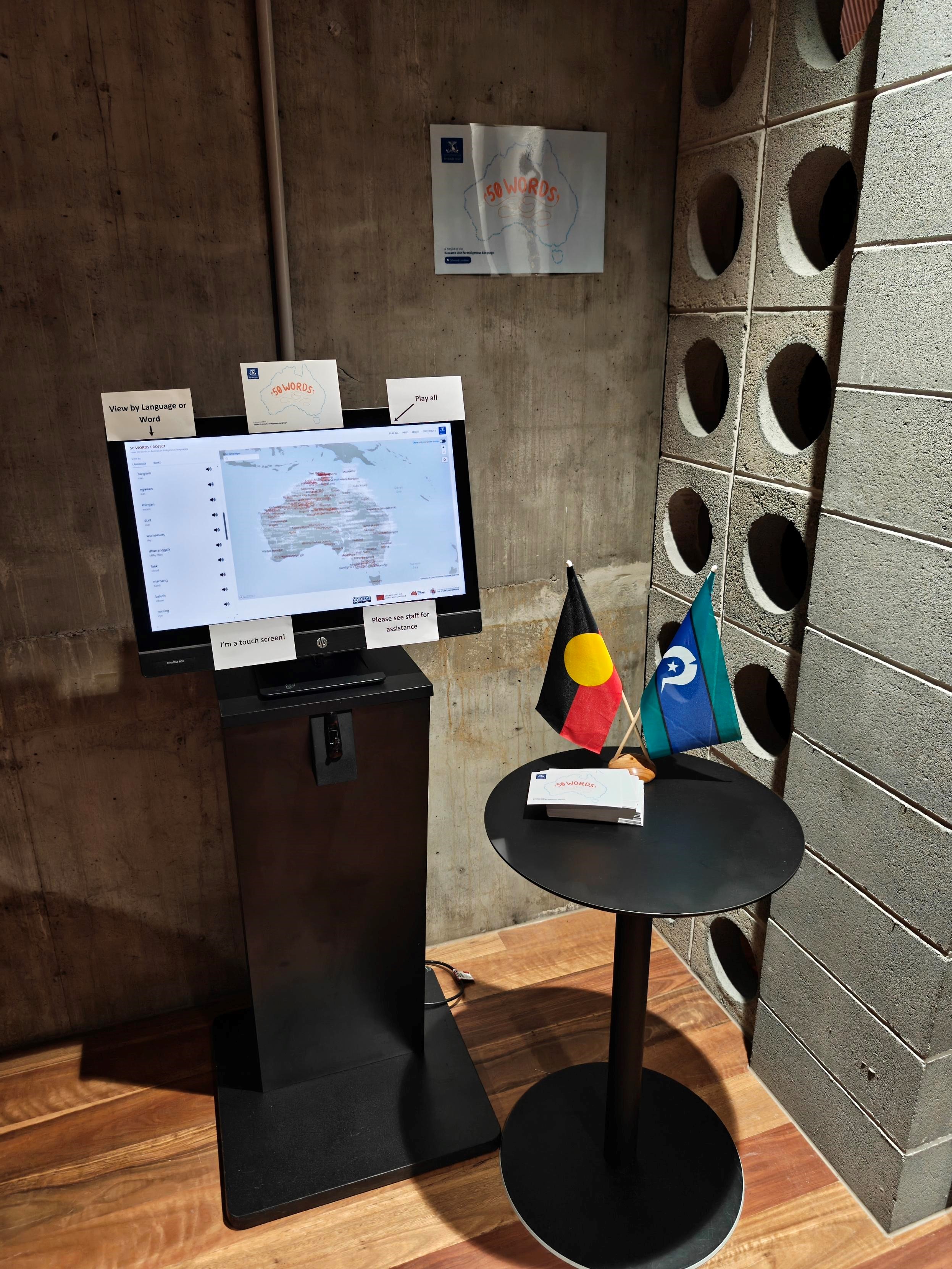
Launched in 2019, an online map allows users to access audio recordings of 50 words in language contributed to the project by living speakers
It recently reached its milestone of 100 languages. It's a first at this kind of scale.
"Our grandparents' generation and their parents were denied the opportunity to speak language"
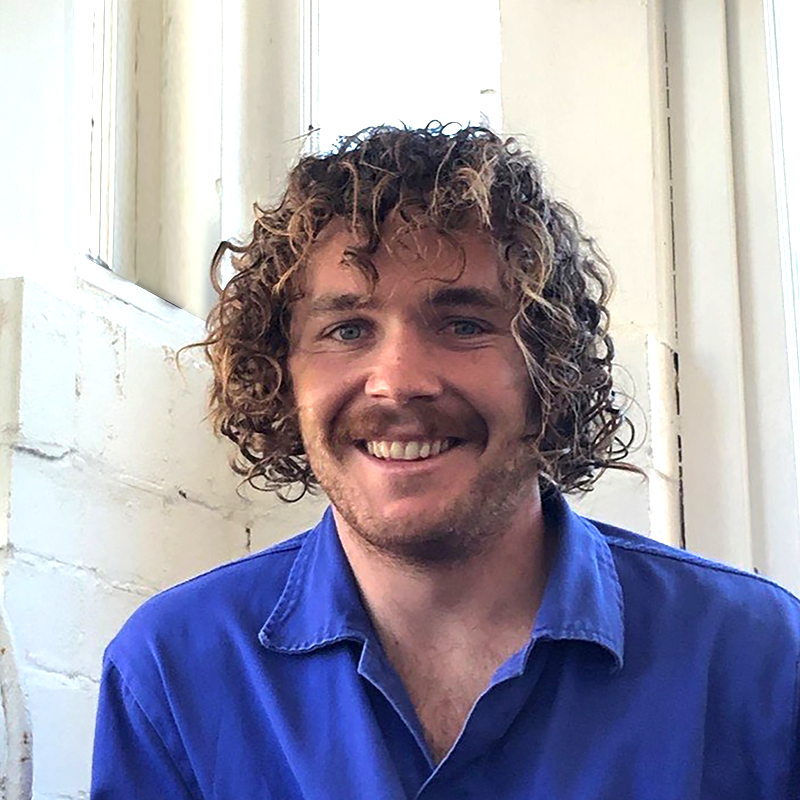
Kobe Atkinson is one of four speakers who provided translations in Bangerang, alongside Roland Atkinson, Clinton Edwards, Kevin Atkinson.
Kobe is also the co-founder of the Bangerang Nation's language programs and co-author of the Bangerang Nation Language Dictionary.
He is also a Wiradjuri man and Juris Doctor (postgraduate law qualification) Candidate at Melbourne Law School.

The project is a significant step to take his language to be taken from the page to a platform where it can be heard by the community, reintroduced and continue its revival, Mr Atkinson said.
"We've had no fluent speakers now for a few generations, but there's still Bangerang words used within Aboriginal English here in Victoria, and particularly within our community...carried on," he told National Indigenous Times.
"Our grandparents' generation and their parents were denied the opportunity to speak language. Now that we've been able to create this dictionary and be involved in projects like this, Bangerang people born today have every opportunity to be able to learn their language."
The Bangerang Nation Language Dictionary was completed in June 2019, which Mr Atkinson describes as a "significant milestone in the revitalisation of Bangerang language, more than 150 years after colonisation began the systematic suppression of its use across Bangerang Country".
Off the back of efforts like this, Lullas Children & Family Centre, an Aboriginal-led kindergarten in Shepparton, has Bangerang language embedded into their teaching, for Indigenous and non-Indigenous kids alike.
Since its launch in 2019, the 50 Words platform has had more than 300,000 visitors.
It's more widely used by schools across the country.
Researchers part of the project understand it's in some cases been an early part of revitalisation by some language groups, through their own contributions, and as a platform for First Nations people to begin learning their language.
Each language community is asked to provide translation for the same 50 words, though some vary with adaptations as a result of there being no direct translations.
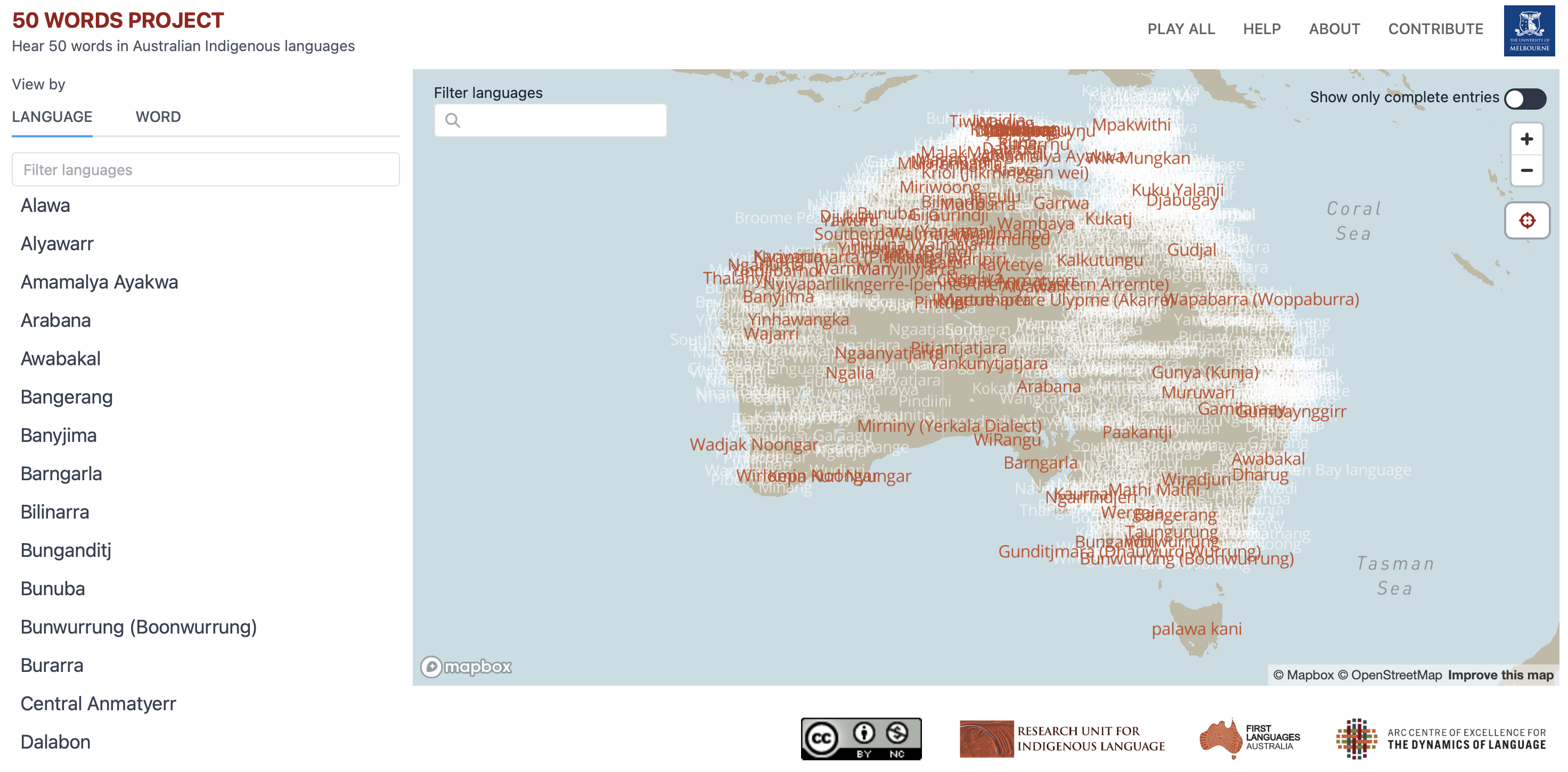
Shared examples across the resource include hello, yes, no, fire, dog, brother, sister, mother and father.
Professor Rachel Nordlinger is co-lead researcher behind it.
"This is the first time words from Indigenous languages have been brought together online at this scale, and in a format where people can hear words spoken by members of those language groups," she said.
"We have seen teachers using the platform to introduce students to the Indigenous language of their local area, while communities are drawing on it to support intergenerational learning and language revitalisation."
Associate Professor Nick Thieberger is the other co-lead of the research.
Tiffany Chen is an English teacher at University High School in Melbourne who uses the resource with her VCE students.
"The 50 Words Project created an opportunity for staff and students to examine the importance of language maintenance, reclamation, and revitalisation in a world that is rapidly changing and dominated by many different 'standard' forms of English'," Ms Chen said.
"It has allowed them to start important conversations about the connections between personal and group identities, Australian colonial history, multilingualism, and language," she added.
%20with%20Jaalas%20Ozies%20(far%20right)%20with%20Left%20to%20right%20-%20%20Nick%20Thieberger,%20Rachel%20Nordlinger,%20Brett%20Bake%20discussion%2050%20Words%20Project%20in%20Djukun%20Language%20at%20RUIL%20%20-Visit-%20supplied,%20Uni%20Melbjpg.jpg)
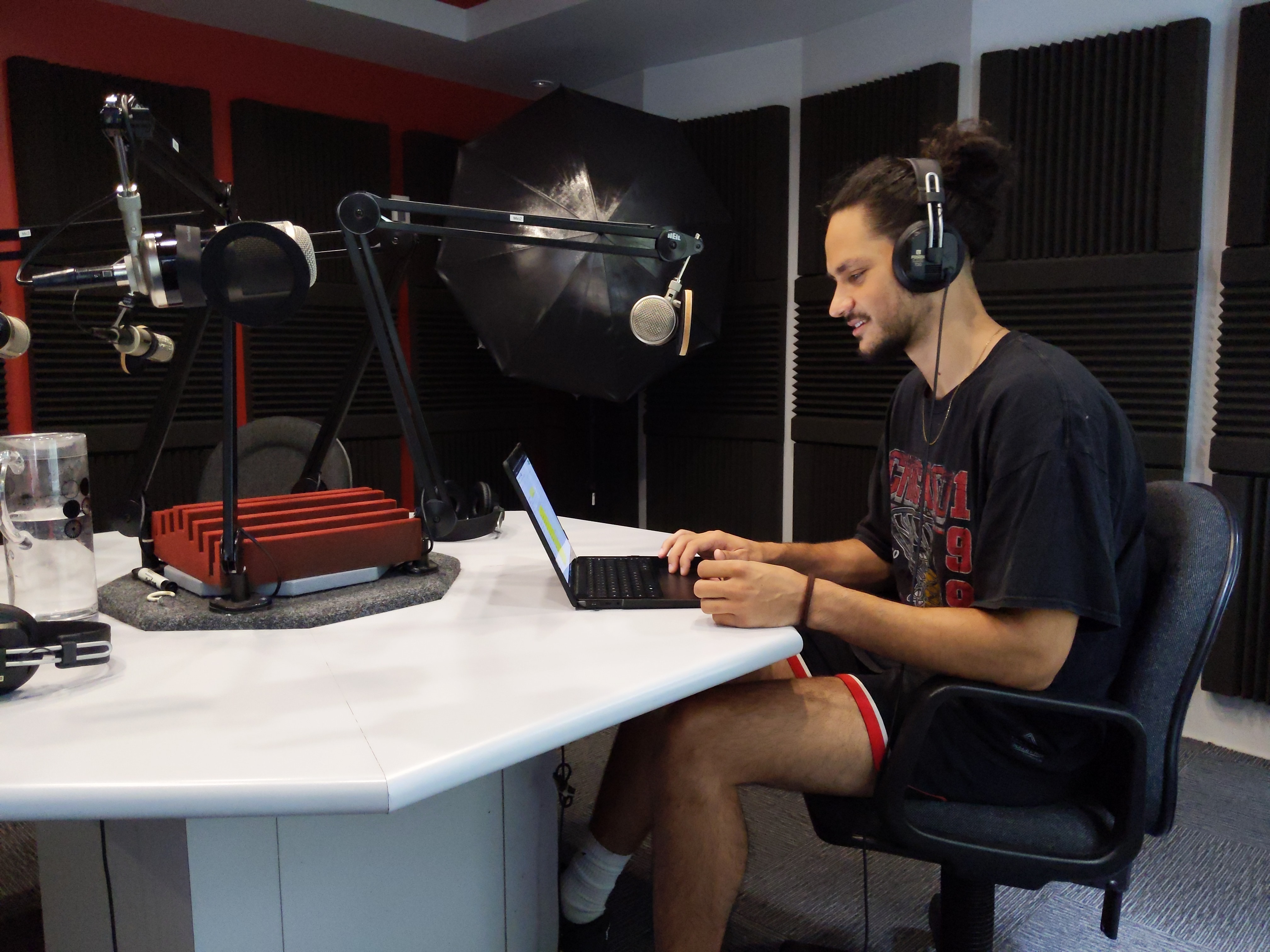
Jamie Davidson says there's likely to be some tears when she and her people can greet one another in language.
Ms Davidson Ngarabul woman, from what is now northern NSW, and Research Unit Project Officer at the University of Melbourne.
She didn't grow up with language, and it had little presence growing up in the early-to-mid 2000s, she said, but a strong movement to change this has popped up more recently.
"It's all community-sourced, community provided, which is incredible," Ms Davidson said, with that trust instilled a privilege for the project.
"It really inspired me to look at my own language and the languages surrounding me and how I can help with the reawakening processes," she added.
Now, her niece can grow up with a part of culture she wasn't able to, as can the broader community. This is a great thing, Ms Davidson said.
"I knew in my heart that was my language"
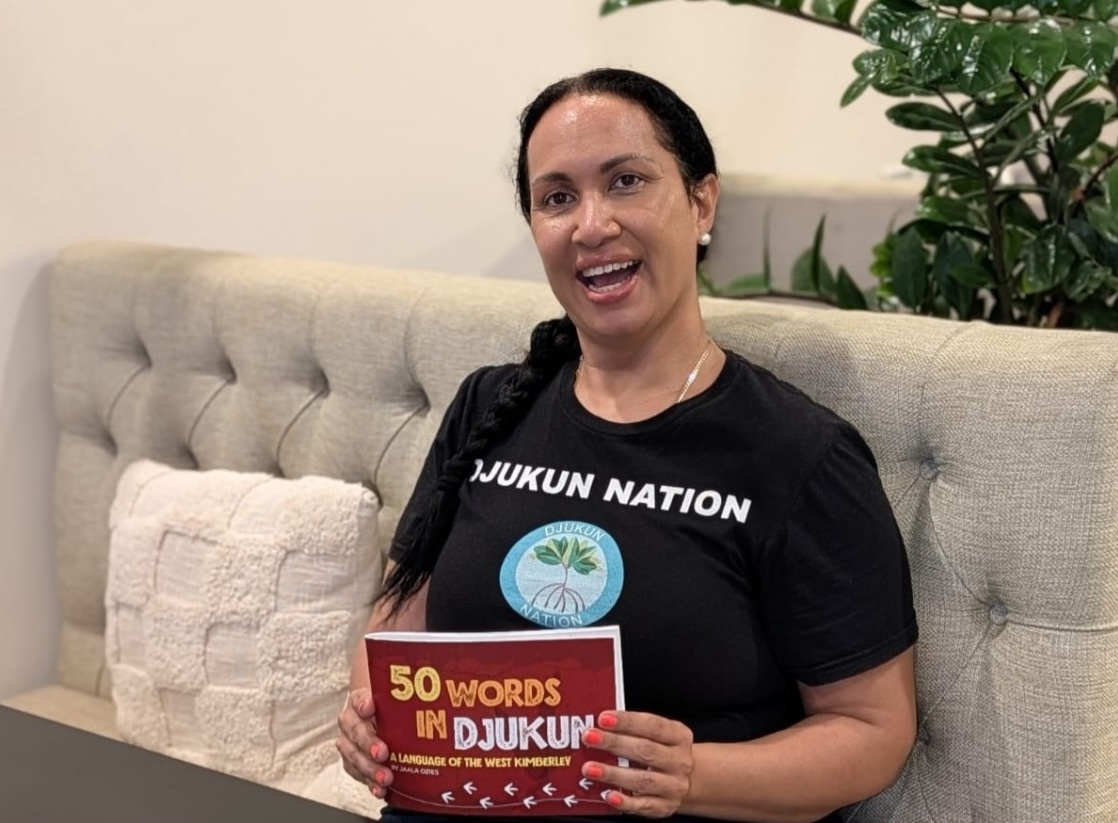
Djukun woman from the Minyirr Clan Jaala Ozies explains, sadly, her language is almost extinct.
Ms Ozies spoke isolated words and phrases growing up, and always knew "in my heart" Djukan was her language.
She said the 50 Words project "is a significant step in reviving our sleeping
Language", helping her communion reconnect with culture and create new possibilities for future generations after tireless work.
When I started helping the Djukun community revive the First 50 Words, I recognised words on the Djukun Word List that I grew up speaking. Even in those early years, I knew in my heart that was my language," Ms Ozies explains.
"At this stage sadly the Djukun language is almost extinct. So, for the Djukun community there is a real urgency to save our language and a vital need for language platforms such as the 50 Words project".
The project is supported by the ARC Centre of Excellence for the Dynamics of Language.



