




Wiradjuri man Paul Towney recently submitted a federal heritage protection application in an effort to stop construction of a new $100 million football stadium in Orange, claiming the site sits on unceded sovereign Wiradjuri land.
Mr Towney lodged the application under the Aboriginal and Torres Strait Islander Heritage Protection Act 1984, seeking emergency protection of the land due to its cultural significance and the absence of consent from traditional custodians.
The move comes after previous efforts to initiate dialogue with Orange City Council and developers were unsuccessful.
"I want construction stopped asap as these lands are still Wiradjuri Nation Sovereignty," he wrote in a formal letter to federal and state environment ministers.
Mr Towney said no written permission had been given by Wiradjuri Nation Sovereignty to develop the site and the land was subject to historical land grants which he argues were invalid under colonial law.
"They are illegally trespassing and developing Wiradjuri lands without compensation being paid to traditional owner local grassroots Wiradjuri families of Orange," Mr Towney wrote.
The application draws on the 2024 Dungog Shire Council v Attorney General of NSW Federal Court decision, which found a land grant issued in 1823 exceeding 200 acres was invalid due to a lack of formal approval from the British Crown.
Mr Towney claims to hold documentation showing that similar 1823 grants were made in Orange, including the site of the stadium.
"I have the original land grants at Orange exceeding 200 acres, signed by Governor Brisbane... the same year Brisbane signed the illegal land grant at Dungog Shire," he said.
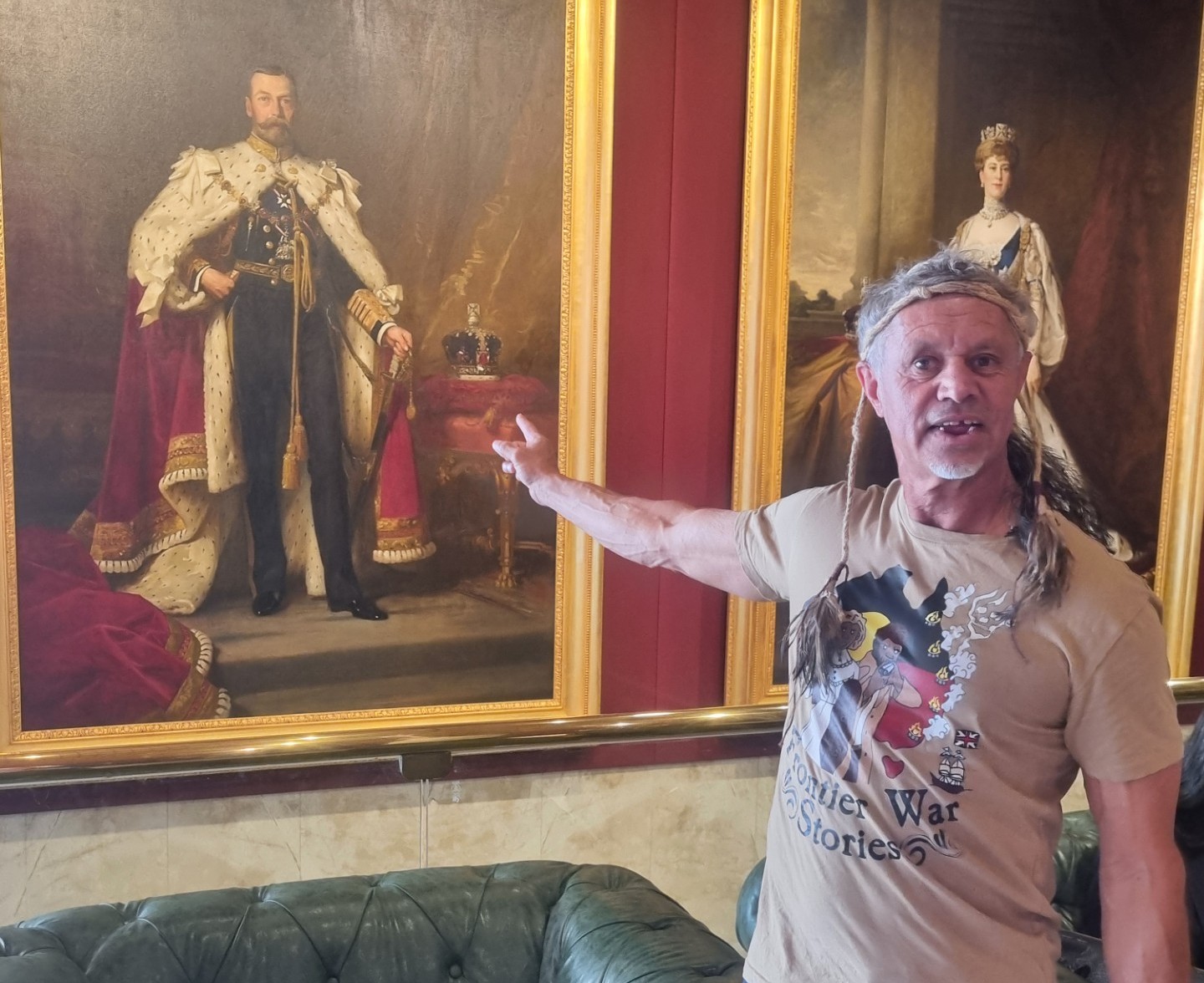
The Department of Climate Change, Energy, the Environment and Water confirmed receipt of Mr Towney's application and has begun its preliminary assessment.
In a written response, the department stated under the ATSIHP Act, a key test is whether the area is of "particular significance in accordance with Aboriginal tradition".
During a phone call with Mr Towney, the department requested further cultural details about the site, such as stories, customs, or ceremonial practices.
Mr Towney declined to provide additional information, claiming the "illegal land grants" are enough to support his claim.
"On this basis, we can progress with assessing your request for protection based on the information before us," the department stated.
While the heritage protection application does not carry the legal weight of a court injunction, it may trigger federal ministerial intervention if the threshold of significance is met.
Mr Towney said the issue was not just about heritage but about sovereignty and the need for proper process.
"No written consent has been given by Wiradjuri Nation Sovereignty," he said.
"I informed the council I would submit this application if they refused to meet with us and address rightful compensation."
Orange City Council previously stated it had no jurisdiction over the matters raised, with the meeting with Mr Towney and Elders scheduled for late October cancelled.
Mr Towney is meeting with Orange City councillors on Tuesday evening to discuss his position and press for recognition of Wiradjuri sovereignty over the land.



