


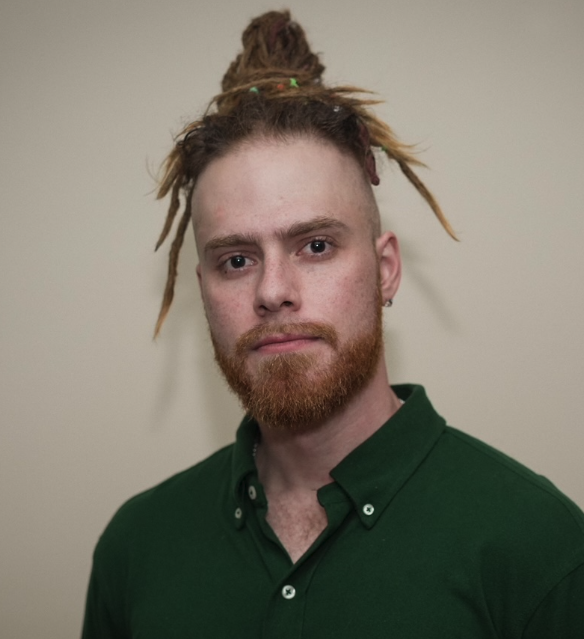

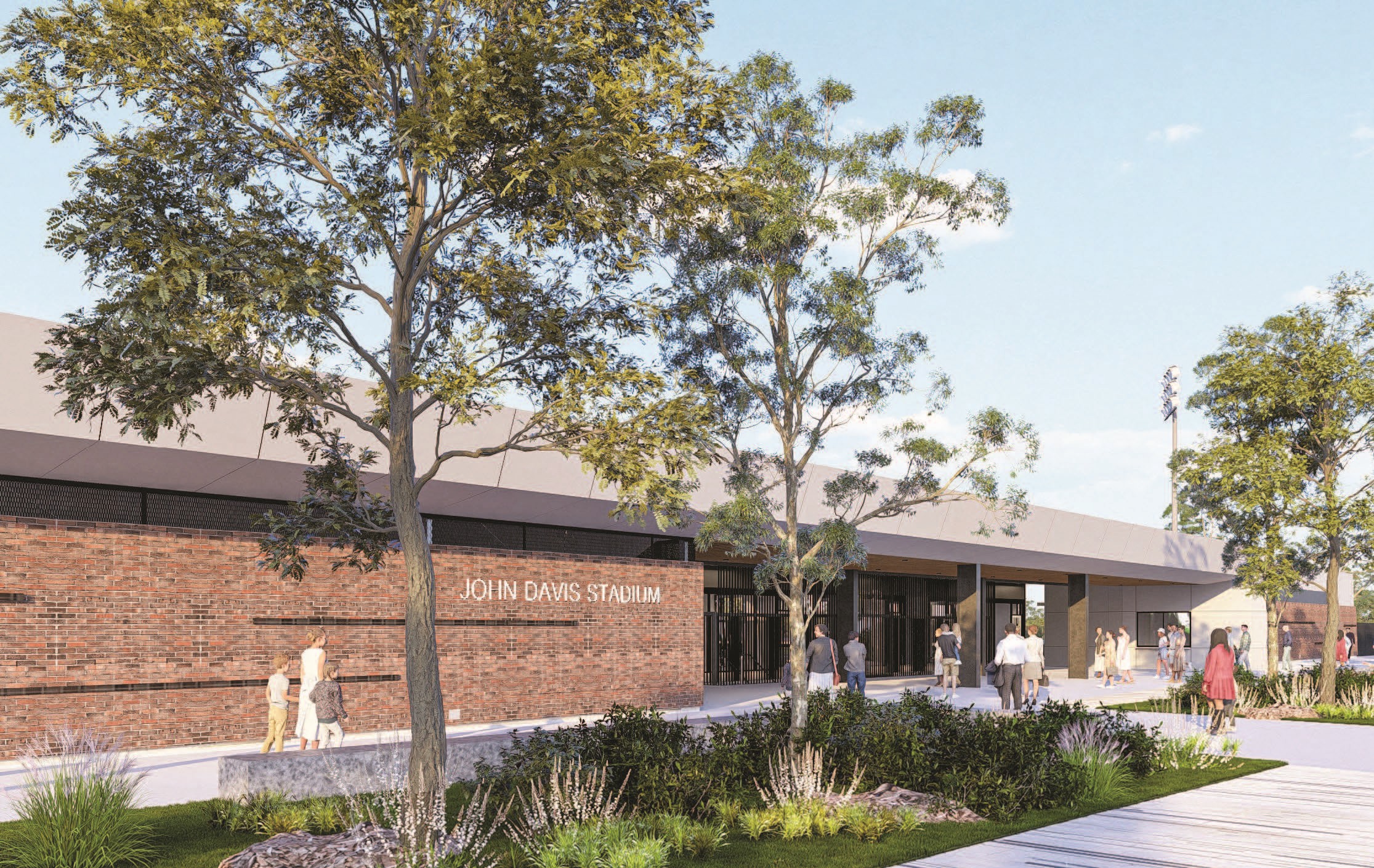
A proposed football stadium development in Orange has become a point of contention after Wiradjuri man Paul Towney raised concerns about the project's location on sovereign Wiradjuri land and requested compensation and formal permission for its construction.
Mr Towney, alongside Wiradjuri Elders, had been scheduled to meet with Orange City Council, Zauner Constructions and the Orange Local Aboriginal Land Council (OLALC) on Wednesday 29 October.
The meeting was cancelled the evening prior, with the council citing jurisdictional limitations.
In a written statement, the council said:
"The matters Mr Towney has raised such as mining, reparation, sovereignty and Crown Land ownership, are beyond the reach and jurisdiction of Orange City Council.
"Mr Towney was advised of the cancellation and the reason. The meeting has not been rescheduled."
Mr Towney, who has long advocated for Wiradjuri sovereignty, said the issue centres on historical land injustice.
"I'm hoping once we get our lands, I'm going to start running courses - especially about Wiradjuri language," he said.
"It'll be out for anyone who wants to come to our 2000 acres."
Orange City Council told National Indigenous Times the Orange Regional Sporting Precinct is intended to serve the whole community and highlighted their ongoing engagement with local Aboriginal organisations.
"Orange City Council has a focus on continuing to encourage and to build strong relationships with Indigenous members of the Orange community, which includes discussions with Elders, the Orange Local Aboriginal Land Council and Orange Aboriginal Medical Service," the statement read.
"There is always more work to be done and we are committed to do what is within our powers."
According to public statements made by Wiradjuri man Roy Ah-See, the OLALC previously negotiated a six-year agreement with Orange City Council that included 84 hectares of land being returned to the Aboriginal community in exchange for not claiming the stadium site.
Mr Towney, however, maintains that such agreements do not override sovereignty concerns or the need for written proof of lawful land transfer.
"I want them to prove, in writing, that it's their land, not mine."
His request for compensation stems from concerns that the stadium is being constructed on land granted during the colonial period under processes that may not have followed lawful Crown procedures.
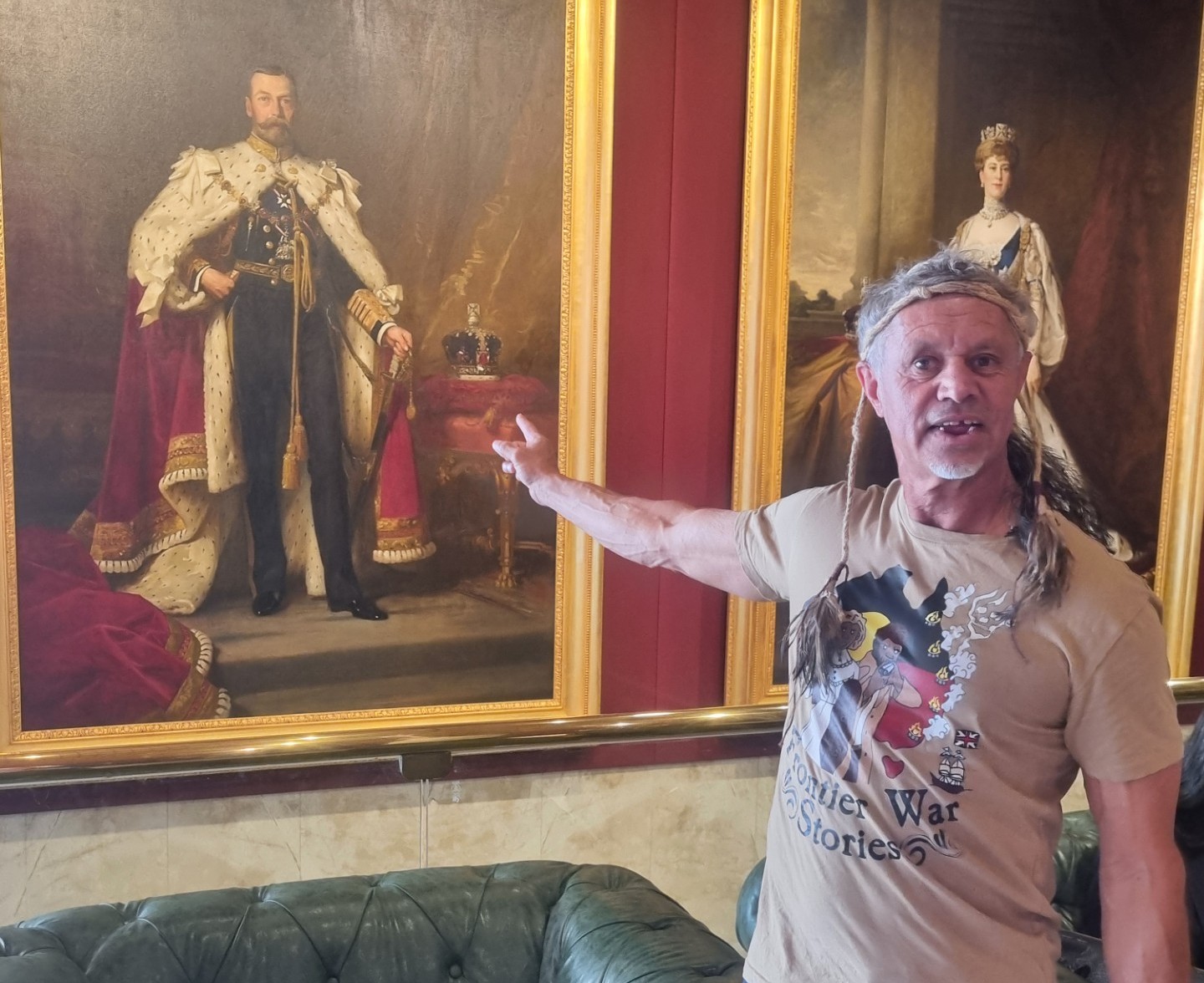
As part of his claim, Mr Towney is referencing the 2024 Federal Court case Dungog Shire Council v Attorney General of NSW, which found a colonial land grant invalid because it exceeded the 200-acre limit set by King George IV without receiving royal approbation.
He believes similar issues apply to the land on which the stadium is being built.
"Back in 1823, Governor Brisbane was only allowed to give out up to 200 acres under the King of England, right, with written authority," he said.
"Anything over 200 acres had to go back to the King for his approval.
"Now it's up to them to prove it exists. I don't have to show anything. They are the ones to have to show why they arrested me for trespassing."
Mr Towney hopes to utilise the compensation for Indigenous families in need and assist in providing culturally sensitive care and education.
Mr Ah-See has also appeared in media defending the agreement, describing the compensation request as coming from an "illegitimate" group and warning of the risk of undermining the statutory land rights system.
More to come.



