



Wiradjuri man Paul Towney is facing trespassing and property damage charges after occupying land near Charles Sturt University in Orange, New South Wales.
Arrested on 2 February at the university site after refusing to leave despite a trespass notice, Mr Towney has pleaded not guilty, stating the land is Wiradjuri country that was never legally surrendered.
During a 6 February appearance in Orange Local Court, he wore traditional paint and a kangaroo skin cloak, with supporters performing a smoking ceremony outside.
"The Crown is the one who is inflicting this trauma on all of us," Mr Towney said.
"It's all a setup to keep that control over Indigenous people.
"This is about us – it's about healing"
Born in Gilgandra, Mr Towney spent much of his youth in Orange, Gilgandra, Condoblin, Wellington, Peak Hill, and Bathurst.
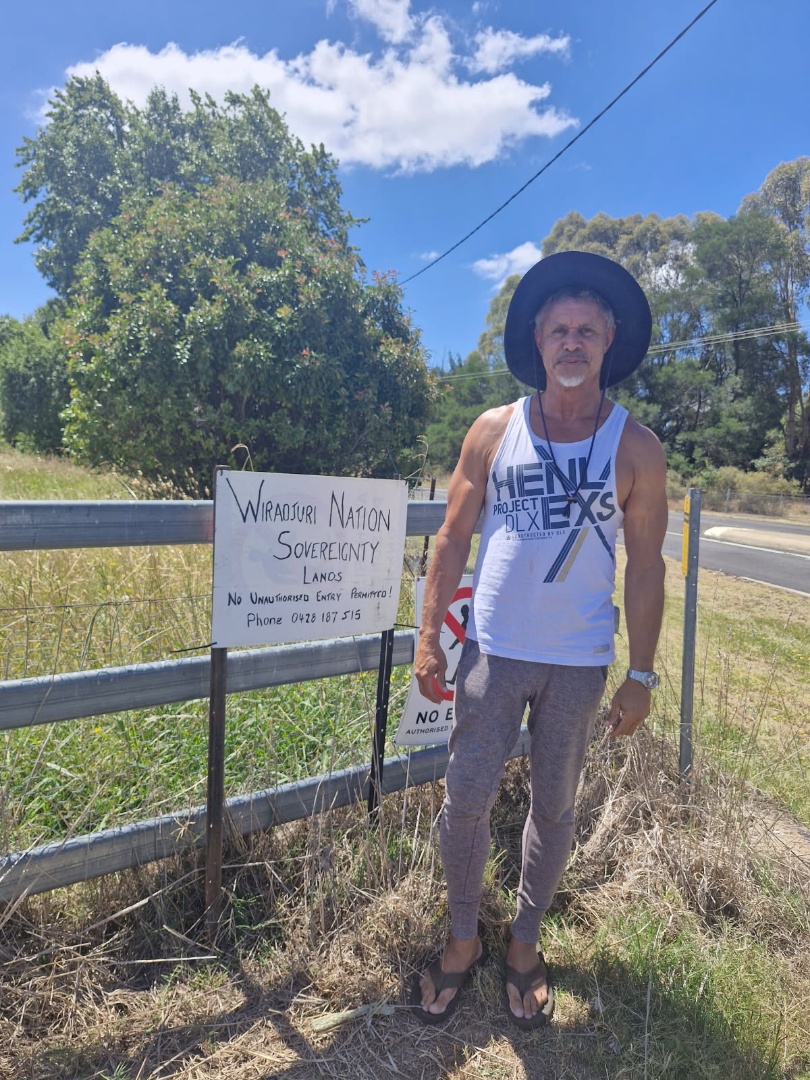
In late January, local Elders and community members joined Mr Towney to replace the locks on the property gate and erect a sign declaring "Wiradjuri Nation Sovereignty Lands – no unauthorised entry permitted!"
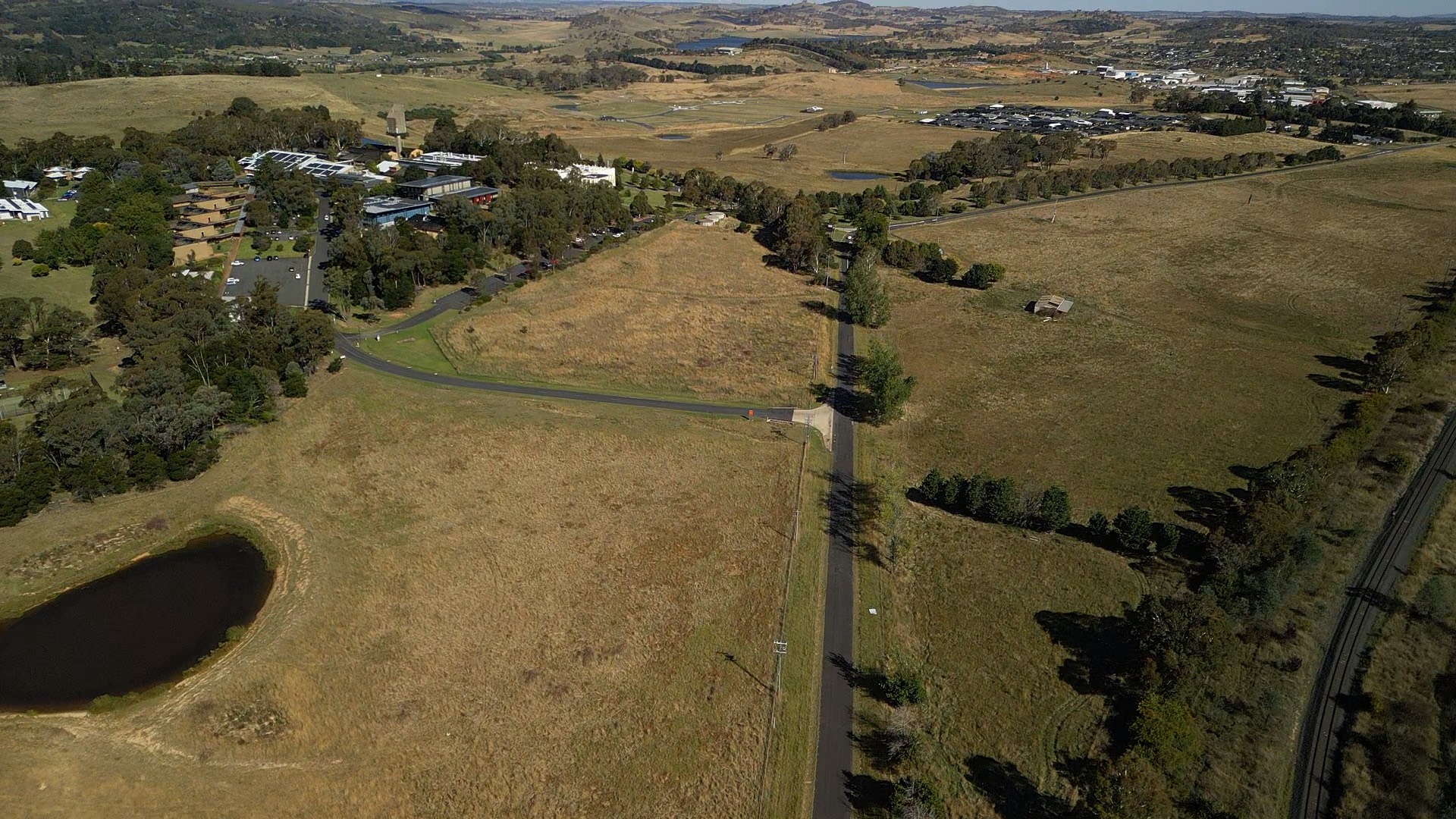
Charles Sturt University, which currently holds the 2000-acre property, has never, in his view, obtained written consent from the Wiradjuri Nation.
He argues that native title was never extinguished, pointing to procedural flaws in historical land grants.
A 2024 Federal Court ruling, Dungog Shire Council v Attorney General of New South Wales, supports his stance that colonial officials had no authority to grant more than 200 acres without the King's explicit approval.
"Back in 1823, Governor Brisbane was only allowed to give out up to 200 acres under the King of England, right, with written authority," Mr Towney said.
He believes other large land distributions, including Charles Sturt University's holdings, also lacked the required royal endorsement.
The Eddie Mabo case is often cited to support Indigenous title, yet Mr Towney calls for a "reverse Mabo" that compels institutions to prove legitimate ownership, rather than forcing Indigenous communities to prove continuous connection.
"The Mabo decision is great, but now we need the reverse Mabo decision."
Martial law declared in Wiradjuri country during the Bathurst Wars was never lifted, according to his research, and Aboriginal people were simultaneously treated as flora and fauna under colonial policies.
"I'm trying to win back our birth lands, as Wiradjuri," Mr Towney said, describing his goal to transform the property into a homeland featuring Wiradjuri-run businesses and community spaces.
Sovereignty gatherings have taken place in Orange, aiming to build local and student support for his cause.
Taxes or fees placed on state, federal, and local governments are another potential pathway, in his view, to recognise unceded land and provide reparations.
On 31 January, police warned Mr Towney of potential arrest, which occurred on 2 February.
Despite the trespass notice, he refused to leave, insisting the land is his ancestral property and not Crown land.
After being taken into custody, he spent eight hours in a cramped cell, which he found unsettling yet unsurprising, given his challenge to conventional land titles.
"Native title was never extinguished," he said.
Court proceedings were held in closed session when he appeared on 6 February.
A not-guilty plea was entered, and he asked the court to demand evidence proving Charles Sturt University lawfully acquired Wiradjuri land.
Adjournment moved the matter to 20 March, giving him time to refine his legal arguments.
Determined to question the validity of historical grants, Mr Towney plans to continue occupying the site, using documented records of martial law and references to Windradyne.
He is also known for retracing Windradyne's route from Peel to Parramatta, symbolising both the struggle against colonial violence and ongoing efforts to assert sovereignty.
Emphasis on the absence of a treaty or consent for land transfers features prominently in his arguments.
"They have to come up with the paperwork to prove I was trespassing on their lands," Mr Towney said.
A return to court in March, with Elders and supporters at his side, will allow him to press for formal recognition of the property's Wiradjuri ownership.
Continued commitment to reclaiming birth lands, coupled with wider calls for a systematic review of colonial grants, form the core of his campaign.
Resolving this matter, he hopes, will set a precedent that addresses other First Nations land disputes throughout Australia.



