


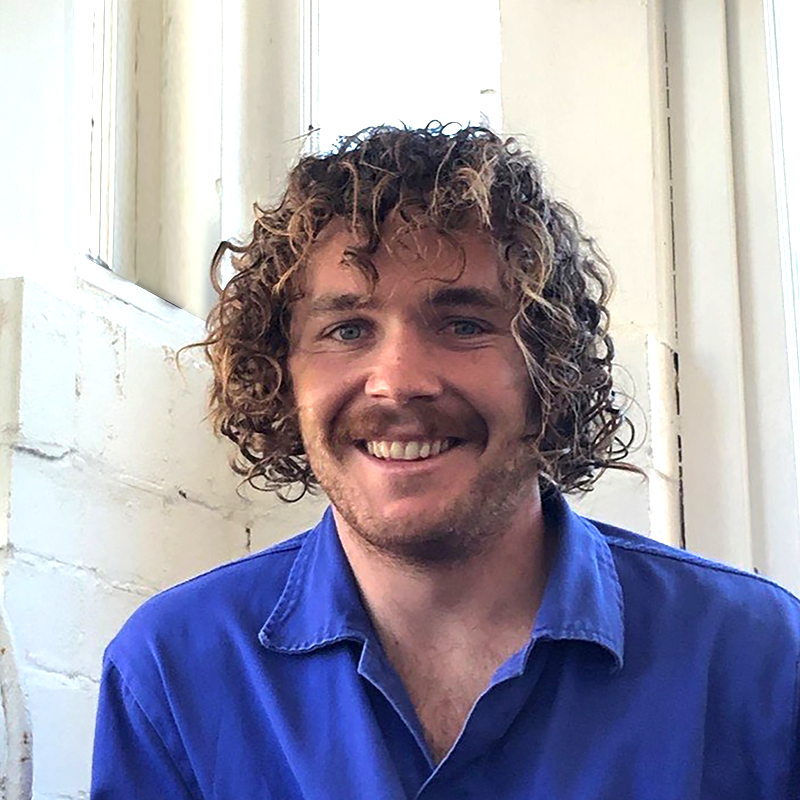

Increasing representation in the medicine workforce can't just be about numbers, it's about ensuring their careers are successful ones, for themselves and their communities.
This is the stance of the Australian Indigenous Doctors' Association (AIDA) and its president-elect, Zendath Kes (Torres Strait Islands) woman Dr Alicia Veasey.
AIDA held its 2026 national conference in Boorloo / Perth this month.
Central to it was the theme "Healing Strong: Culture, Care and Collective Wellness", Dr Veasey said.
A post shared by Australian Indigenous Doctors' Association (AIDA) (@aidaaustralia)
"We wanted to create space over the three days for reflection and sharing with each other what keeps us grounded and safe in culture, how this grounding enables us to be strong in our care for mob, and importantly, what our collective responsibility and role is, as AIDA and as Aboriginal and Torres Strait Islander doctors, in ensuring collective wellness of our communities," she told National Indigenous Times.
Building connections in a safe, culturally grounded space is an important aspect. As is the is "mentorship, leadership, change in education and health systems, and, importantly, the increasing strength of our Aboriginal and Torres Strait Islander medical workforce and of AIDA", Dr Veasey added.
Per the Australian Health Practitioner Regulation Agency's 2024-25 report, 0.6 per cent of medical practitioners and first-time registrars identified as First Nations.
"Representation matters," Dr Veasey said, "but for AIDA it has never just been about increasing the number of Aboriginal and Torres Strait Islander people entering medicine."
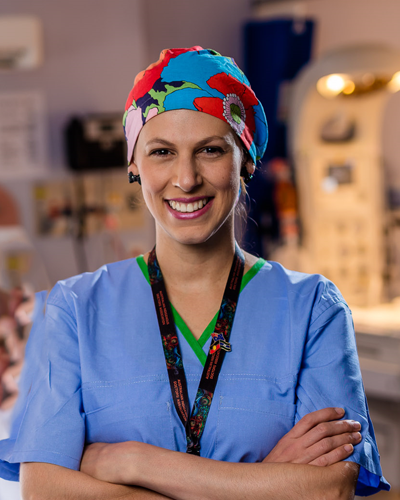
She said students and doctors thriving in their studies, training, careers while also retaining strength in culture, connection to community and having their leadership and expertise valued in shaping the systems around them is the ambition.
First Nations doctors' impact extends beyond the individuals and into the medicine and health systems, Dr Veasey added, through "clinical expertise, cultural grounding, lived experience and relationships with community".
"We need that expertise not only in clinical care, but in hospitals, medical education and training, research, policy and firmly within the decision-making processes that shape our health system."
Since 2024, Joint Colleges Training Services (JCTS) has helped Aboriginal and Torres Strait Islander GP and RG (rural generalist) registrars to attend AIDA's conferenced.
In 2026, 25 scholarships were funded to do so, with the addition of medical students within the cohort.
JCTS outlines they have a vision of a medical workforce representative of Aboriginal and Torres Strait Islander peoples, working to provide equitable opportunities to reach this.
"I found the funding extremely helpful. Without this scholarship, I would not have had the opportunity to attend the AIDA 2026 Conference. The conference provided me with a valuable opportunity to connect with fellow Indigenous medical students and doctors, as well as participate in the amazing workshops," Courtney Geddes, a student at James Cook University, said.
JCTS holds a partnership and Memorandum of Understanding (MoU) with the Indigenous General Practice Trainee Network (IGPTN).
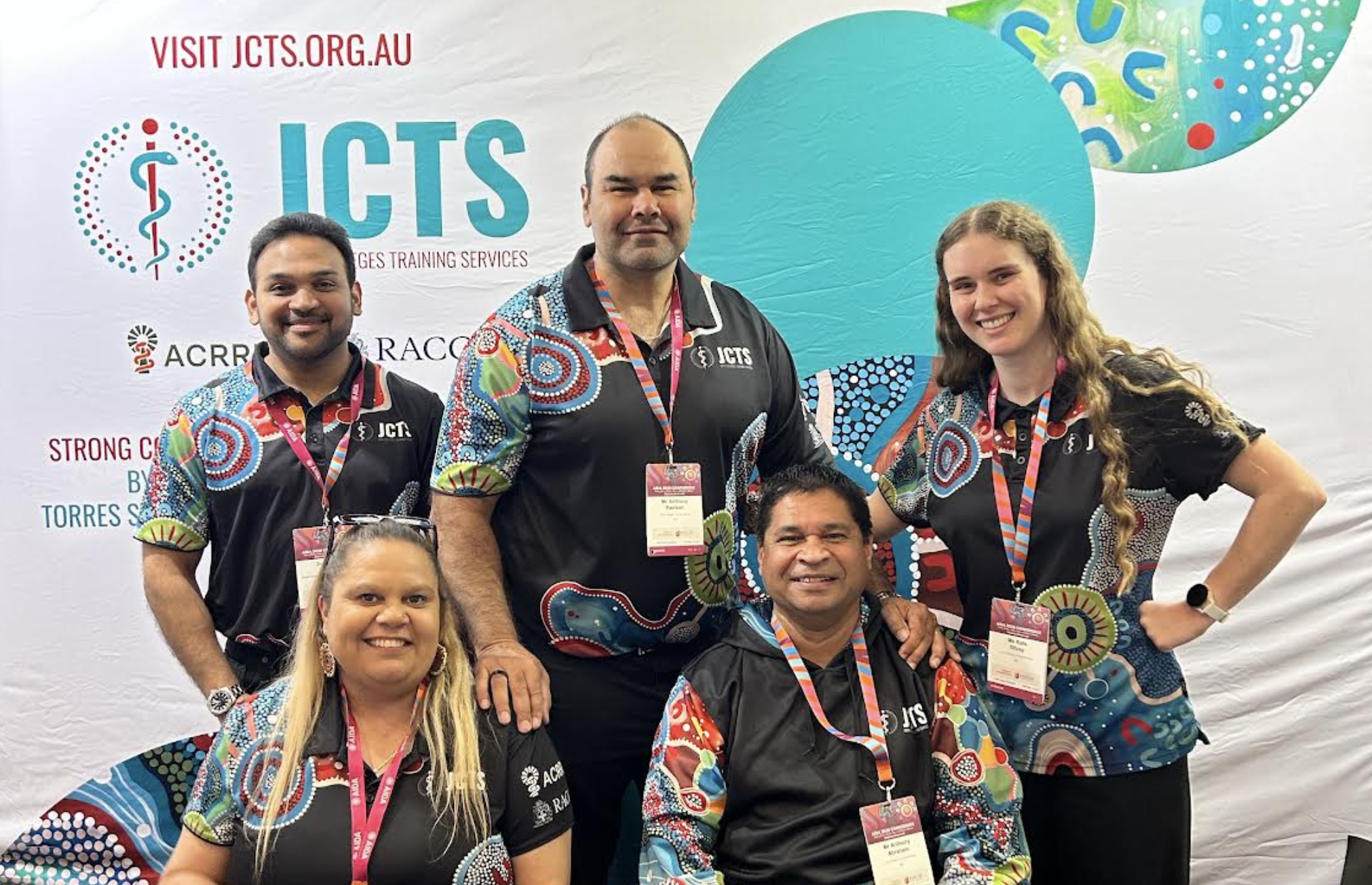
Wiradjuri woman and IGTTN chairperson Dr Josephine Guyer said she knows personally, from her own journey through studies to GP fellow, was buoyed by connections and shared experiences with other Aboriginal and Torres Strait Islander doctors.
It's the kind of the support IGPTN and JCTS shared commitment for "every stage of (others') journey" reflects, Dr Guyer said.
"Opportunities to connect at national events such as the AIDA Conference and IGPTN workshops, remain an essential part of building these relationships, strengthening our networks, and supporting long-term careers."
Dr Veasey shares this opinion.
"Scholarships, on paper, enable students and registrars to attend AIDA Conference, but what they really provide is connection - to community, mentors, professional networks and opportunities that can continue well beyond those few days," she said.
"Broader partnerships with AIDA help sustain the culturally safe spaces where those relationships can grow, while also strengthening AIDA's broader work to drive reform across health and medical education systems, so our students, doctors and communities can be safe and thrive wherever they are."



