




It is a "simplistic" and "racist" narrative that child protection failures nationwide are a failure of the child placement principle, Senator Lidia Thorpe says, as she backed calls for an urgent roundtable on child safety.
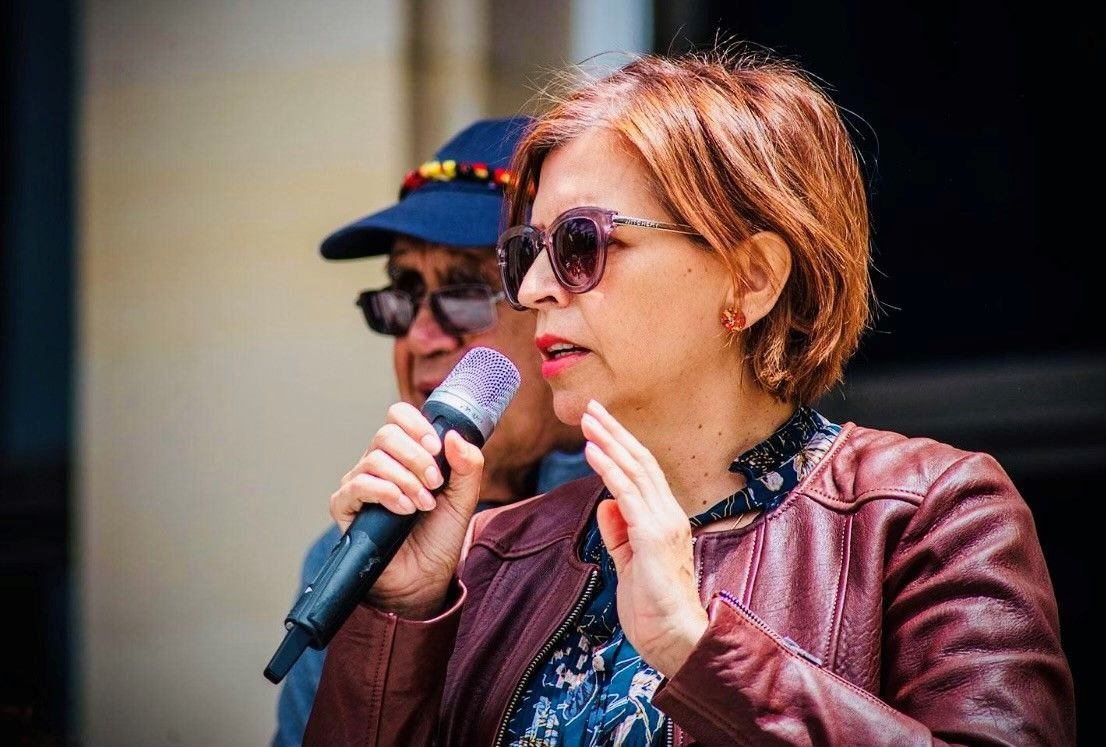
This week, Western Australian Aboriginal leaders, led by Dr Hannah McGlade, called for an urgent roundtable in the wake of allegations that children were left alone in poor conditions in a house in South Hedland, in the state's Pilbara region.
First Nations women have been speaking out about child safety but are being ignored by authorities, Dr McGlade said, and called on the Western Australian Government to "convene an urgent roundtable of Aboriginal women working in child and family safety to discuss these issues".
"There are Aboriginal grandmothers and senior women in every Aboriginal community who are very worried about violence and children's safety, still they are not being heard and listened to," she said.
"Too often, Aboriginal women are not heard or included in critical decision-making about child safety. We are here, ready to work with the government and share solutions we know will work."
On Thursday, Senator Lidia Thorpe backed Dr McGlade's call for a roundtable, arguing that real action was needed to keep children safe.
"First Peoples need to lead the reform of child protection in this country. We need to be empowered and properly resourced to implement the solutions we already have," she said.
"That means listening to Aboriginal families and communities when they say children are at risk, supporting families before they reach crisis point, and making sure children remain connected to their culture, family and community."
This week, Western Australia's Child Protection Minister Jessica Stojkovski flew to the Pilbara after reports in The Australian revealed allegations that vulnerable Aboriginal children were being left alone, sometimes for days at a time, in a home owned by the WA Department of Housing and Works.
Up to 15 children could be found at the house at times, including the children of the tenants, with parents reportedly leaving regularly for days at a time.
The report suggested child protection workers knew about the conditions at the home, which included allegations that children were sleeping on soiled clothes on the floor. Former department staff and WA Police officers told The Australian they believed current staff were not fulfilling their duties.
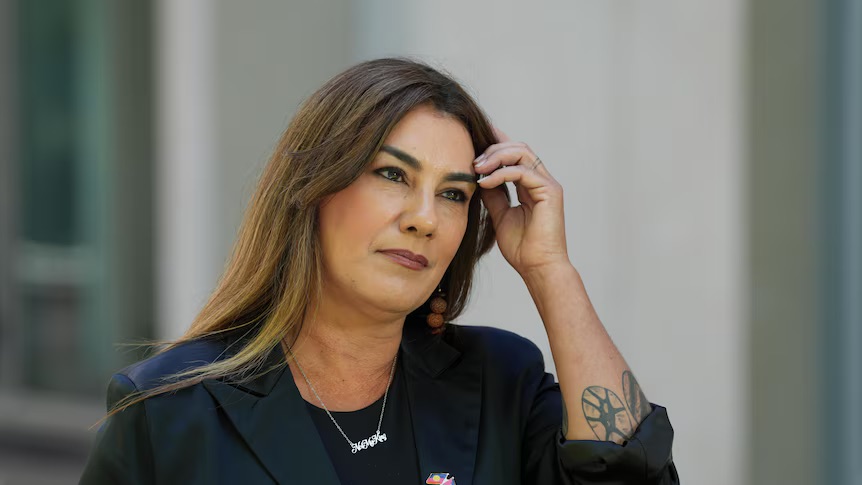
Senator Thorpe said children "must not be left at risk," but that "we also need to make sure the actions of child protection agencies do not put children at further risk".
"Children are being failed when governments don't act on warnings from families and communities. They are failed when families asking for help cannot get the support they need," she said.
"And they are failed when authorities remove them and place them into situations where there are documented risks of abuse, exploitation, violence and other harms."
Arguing that the removal of a child is not automatically a protection, the Victorian senator added: "Children who must be removed need to be safe wherever they are placed. That means properly supported kinship placements and strong safeguards around every placement."
"We need to reject the simplistic and racist narrative that these failures are somehow simply the result of the Aboriginal Child Placement Principle, or a question of whether children should be separated from their kin," she said.
In the Northern Territory, experts say recent child protection legislation has weakened the principle, which is designed to ensure children removed from their families maintain connections to family, community and culture.
Writing in The Australian, Dr McGlade said whilst child protection legislation in WA included Aboriginal self-determination in principle, "this has never been the practice".
"Aboriginal people continue to stand on the outer of child 'protection' in Western Australia, even though the current approach that revolves around case worker intervention has largely failed to protect children and clearly cannot guarantee their safety," she said.
"Year after year we see the number of Aboriginal children being removed from families, even as babies at birth, rising. Aboriginal children removed from families experience several placements, have unmet health needs and often end up in juvenile detention. The outcomes are not good."



