




The recent announcement of an Auckland maximum security prison expansion, one of the 149 projects under the Government's Fast Track Approval Bill, has sparked significant controversy.
This project was revealed just days before Māori Development Minister Tama Potaka signed a housing development deal with Waikato-Tainui, a major Iwi (tribe), aimed at addressing the housing crisis.
The contrast between the two initiatives is stark.
While one seeks to uplift Māori through housing solutions, the other raises concerns about increasing Māori incarceration rates, a disparity criminologist Dr Emmy Rākete calls "absurd".
Dr Rākete argues Māori should be empowered to share in society's wealth instead of being further marginalised through incarceration.
"This mad dash for an American-style prison regime based on mega-prisons and mass incarcerations has to be brought to a stop before more lives are lost," Dr Rākete says.
The prison expansion has caused shock among some Māori leaders.
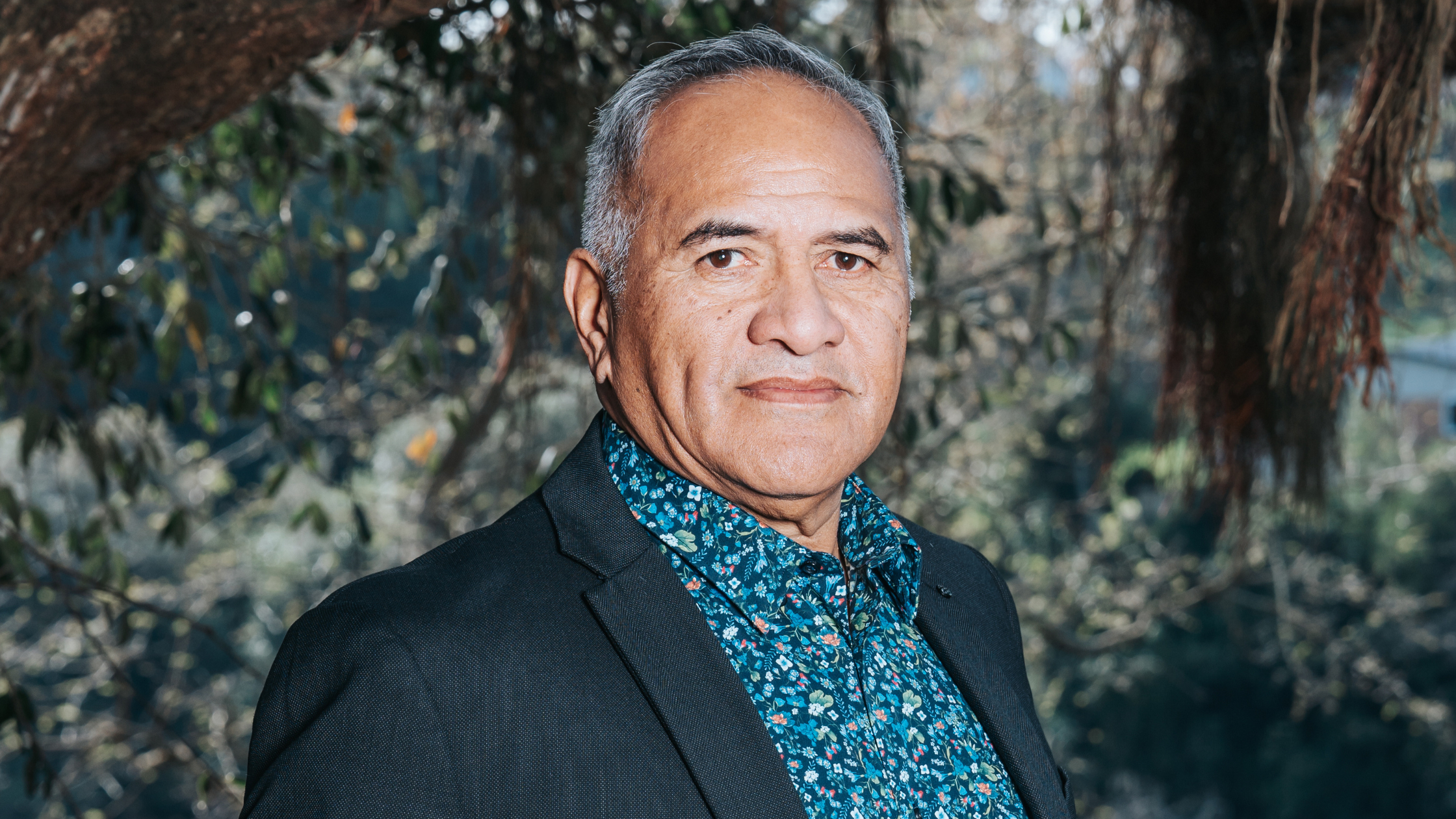
Waikato-Tainui chairman Tukoroirangi Morgan, when asked about the plan, expressed dismay, emphasising that those incarcerated remain whānau (family).
He criticised the expansion.
"We must continue to care for our people, even those imprisoned in a Pākehā (white New Zealander) system," he said,
"It's not right to perpetuate this cycle."
Māori are disproportionately represented in New Zealand's prison system, making up 53 per cent of male prisoners and 67 per cent of female prisoners, despite being only 16% of the population.
Corrections data also highlights that five Iwi—Ngāpuhi, Ngāti Porou, Ngāti Kahungunu, Tainui, and Tūhoe—have the highest numbers of descendants in prison or on remand.
Dr Rākete believes that solutions lie in addressing systemic issues rather than expanding prisons.
"We know what causes crime in this country," she said.
"If you give people the things they need, they can live dignified lives."
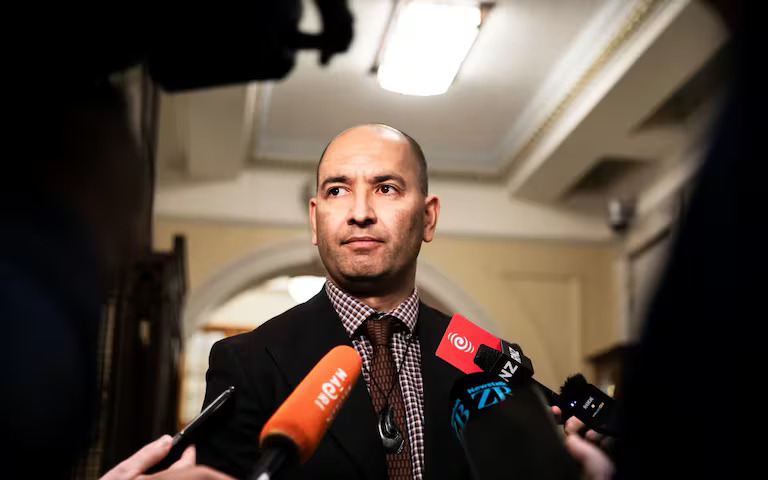
Minister Potaka, acknowledging the concerns, said there is room for further discussion on the matter and assured that the government is open to dialogue.
However, the expansion project has reignited the debate over crime policy and the disproportionate impact on Māori communities.



