




Two First Nations educators have been recognised among 13 teachers and school leaders honoured at the 2026 Schools Plus Teaching Awards in Canberra.
Wiradjuri woman Diane Pashen, Deputy Principal at Bellbird Park State Secondary College in Queensland, and Biripi woman Tammy Anderson, principal of Briar Road Public School in NSW, were recognised for work embedding culture, language and community into education.
The awards were presented at Parliament House on September 15, with recipients recognised by Federal Education Minister Jason Clare.
Ms Pashen has overseen the development of Bellbird Park's Yagara Language Program, which was co-designed and is co-delivered with Wirrinyah Gurrnung Corporation.
The program brings local Elders and traditional language custodians into Years 7 and 8 classrooms to teach language and culture alongside school educators.
Ms Pashen said the recognition reflected the importance of ensuring First Nations students did not have to separate their identity from their education.
"The Yagara Language Program allows me to place culture, identity, language and community at the heart of education, and I am incredibly proud that our students are not only becoming stronger in their learning, but are learning alongside Elders and language custodians," Ms Pashen said.
"For me, that is education at its most powerful."
She said the program had also strengthened students' connection to community and identity.
"I have seen a growing sense of pride, connection and belonging, particularly through the relationships students are building with Elders and traditional language custodians," Ms Pashen said.
"More broadly, Yagara has helped create a culture where students' cultural identities can be foregrounded and valued."
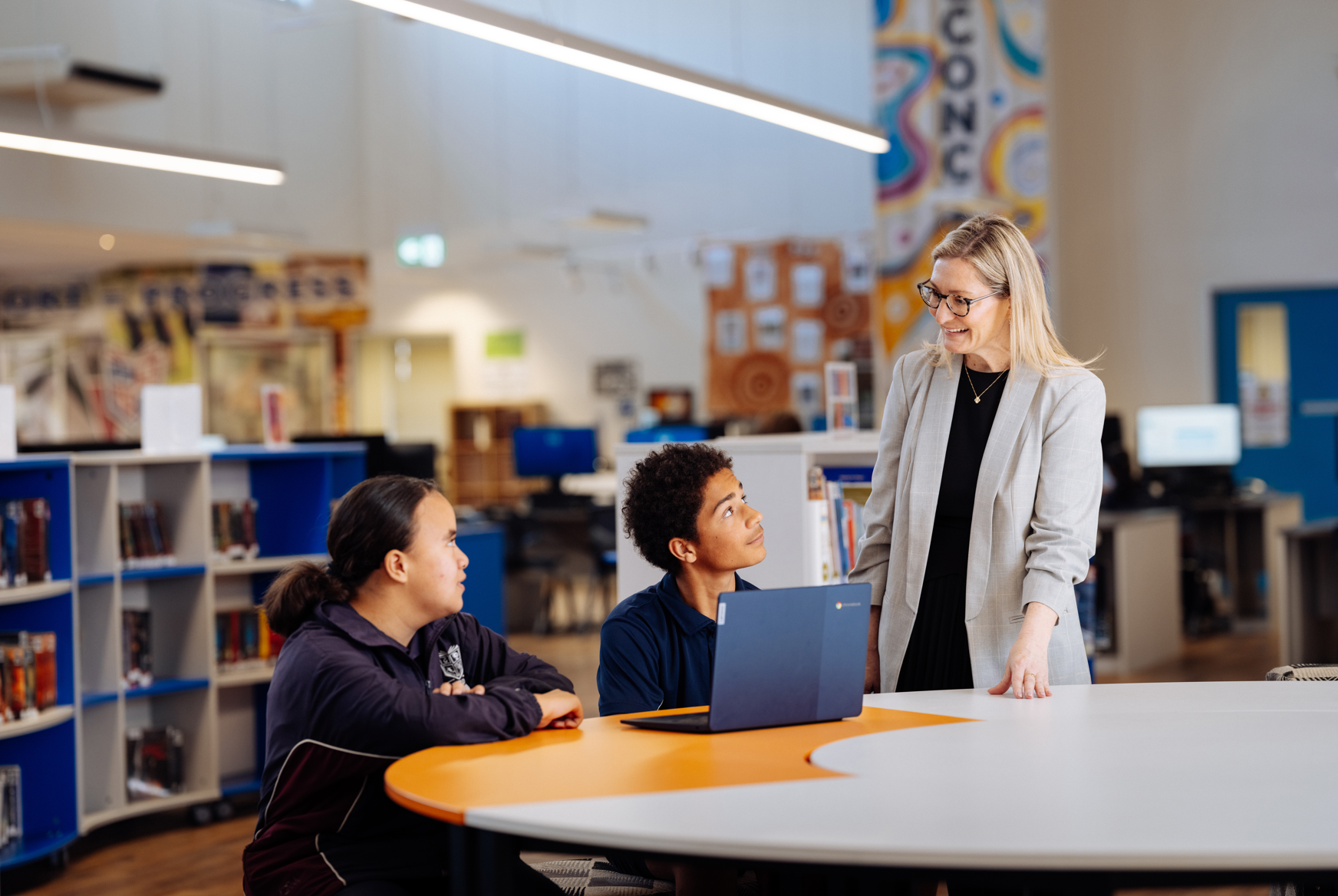
She has also overseen targeted literacy and numeracy programs at Bellbird Park, where Aboriginal students have recorded strong academic outcomes.
Ms Pashen said stronger connections between learning, culture and identity had contributed to students feeling a greater sense of belonging at the school.
"When students see their culture, language and identity reflected in the classroom, they feel that who they are matters and this creates a much deeper connection to education," Ms Pashen said.
"When students feel seen, valued and connected to who they are, they are more willing to connect with their learning, believe in what they can achieve and see education as something that belongs to them."
In NSW, Ms Anderson has spent 25 years teaching at Briar Road Public School, including 14 years as principal, after first attending the school as a Kindergarten student in 1984.
Almost half of the school's students are Aboriginal, with culture, Country and local community embedded across its curriculum and broader school approach.
Staff take part in regular on-Country experiences, while the school is also working with community language providers and community members to strengthen Aboriginal language.
Ms Anderson said the award belonged to the wider Briar Road community.
"The community shaped who I am, culturally, personally and professionally, so to be recognised nationally while continuing to serve that same community is deeply meaningful," Ms Anderson said.
"I see the recognition not just as an acknowledgement of my work, but of the students, families, staff, Elders and wider community who have contributed to what we have built together."
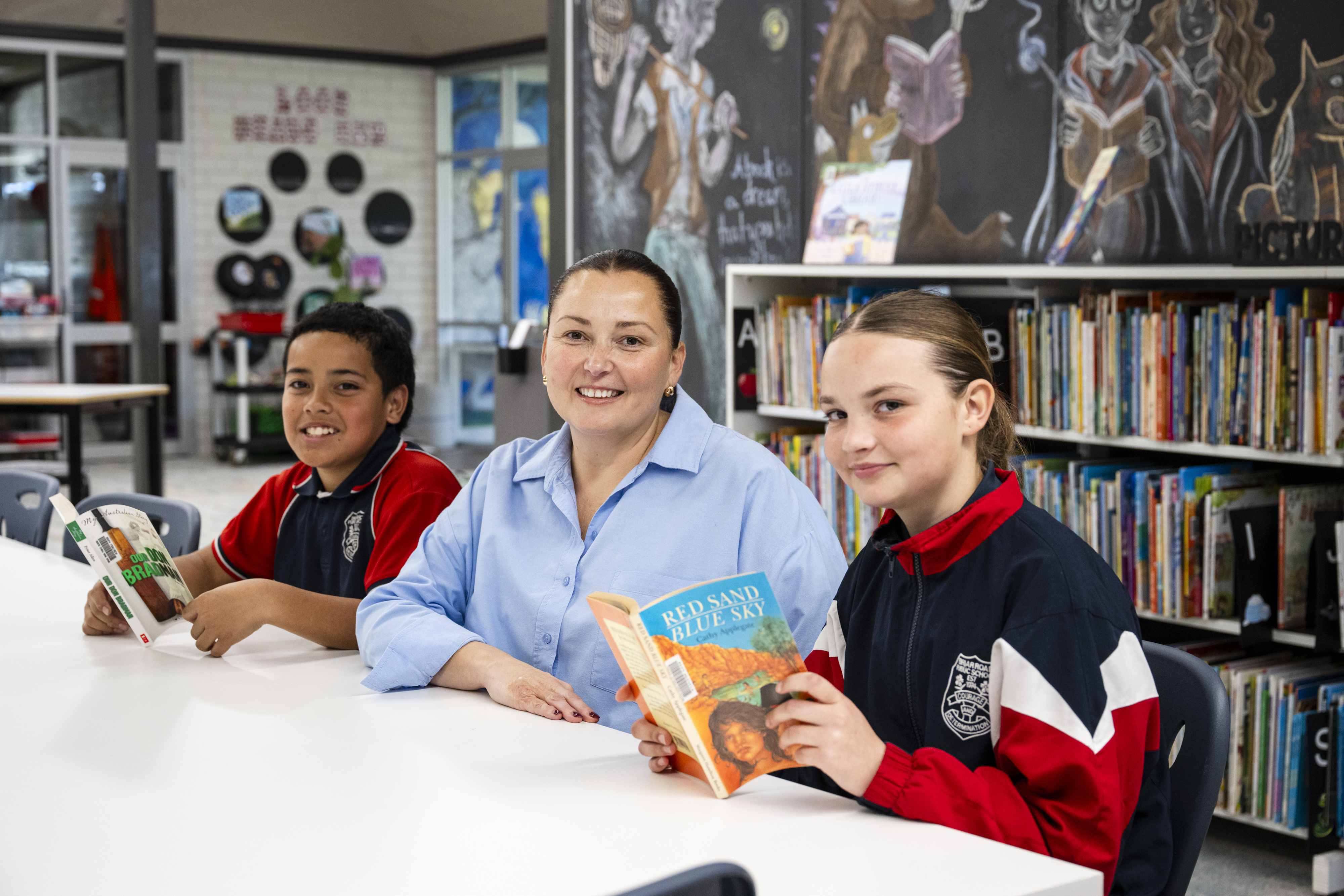
Her approach has focused on ensuring culture is part of the school's leadership and everyday teaching rather than being limited to individual activities or programs.
Ms Anderson said culture needed to shape how the school understood its place and community.
"My connection to my community has taught me that culture cannot simply be something that is added to a school program," Ms Anderson said.
"It needs to be part of the way a school understands itself, its history, its people and its place on Country."
She said Aboriginal knowledge and ways of working had also influenced how the school was led.
"Culture and our ways does not just influence cultural activities in the school, it influences the way my teams lead," Ms Anderson said.
"Leadership from an Aboriginal world view in education is not the norm, but it is the space that we know works best."
She hopes the school's work around language and culturally appropriate education will give future students a stronger sense of identity and connection.
"Our booris (children) are growing up strong and smart in everyway," Ms Anderson said.
"They are gifted in areas of culture and western ways. They will change the world an for that I am beyond proud."
Award recipients receive a $20,000 Teaching Fellowship, including $10,000 for a high-impact school visit and a year of professional development, and join a national network of more than 150 previous award recipients.



