




Australia's peak advocate for First Nations children says changes to a principle designed to ensure children removed from their families remain connected to culture "are devastating for Aboriginal children in the Northern Territory".
In a policy change canvassed for more than a year, the Northern Territory Government this week announced the Care and Protection of Children Act will be amended, claiming a new Universal Principle will "for the first time" list the safety of the child "as the primary consideration, placing the best interests of every child first, regardless of background".
The key changes affect the Aboriginal and Torres Strait Islander Child Placement Principle (ATSICPP), which is designed to ensure children removed by the government retain connections to family, community and culture.
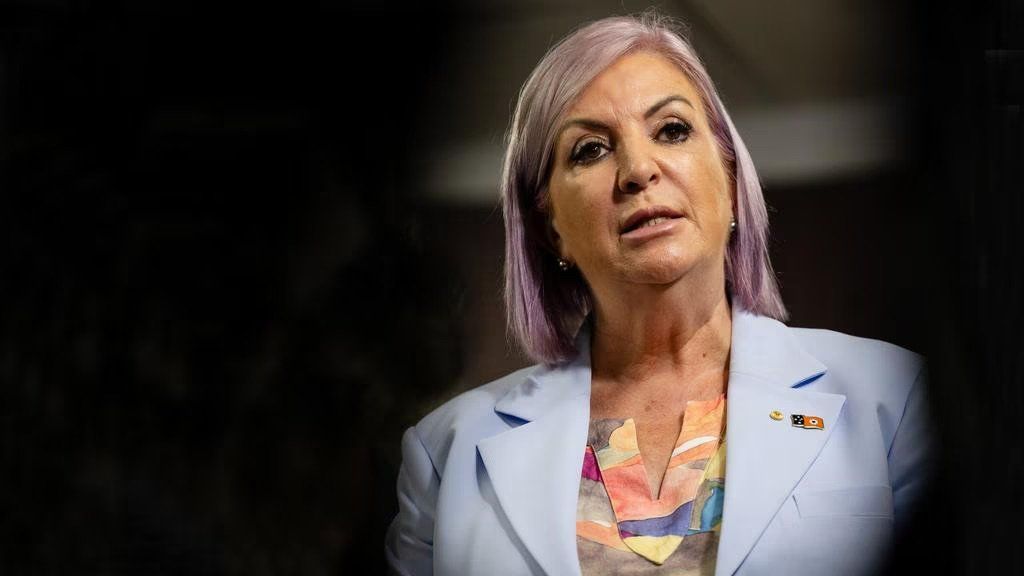
In a statement, NT Child Protection Minister Robyn Cahill said the amendments would provide more "consistent support and better outcomes for both children and their families".
"Every child matters regardless of where they come from, their race or religion, I am not prepared to turn a blind eye and abandon another generation of families and children," she said.
"Where it is safe to do so we want children with their families, but where it is not, we will act decisively to give children the permanency, stability and care they deserve."
Disregarding years of evidence
In response, National Indigenous Child Commissioner Sue-Anne Hunter said the changes will "weaken the long-standing protections designed to ensure Aboriginal children remain connected to their families, community, culture and Country".
She said the reforms would restructure the ATSICPP, "despite decades of evidence that Aboriginal children have better long-term outcomes because of it".
"The Bill reduces obligations to actively pursue reunification and expands coercive and punitive powers over families, while structural issues remain unaddressed," the Commissioner argued.
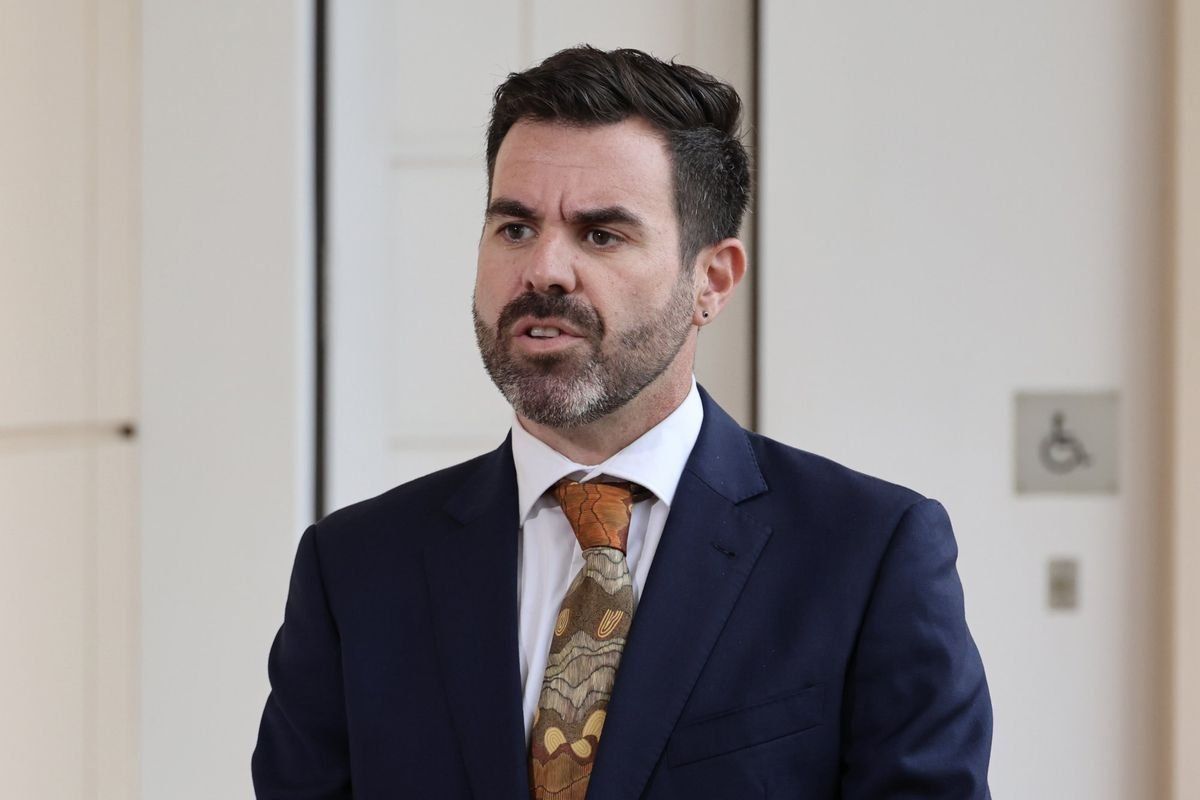
Shadow minister for child protection Chansey Paech said the principle "exists for a reason".
"It was shaped by decades of evidence, inquiry, and lived experience to ensure this country never repeats the trauma of the Stolen Generations," he said.
"Yet once again, the CLP wants to push through major changes without listening to the evidence, without listening to Aboriginal people, and without addressing the real failures inside the child protection system."
Fast-tracked changes
The reforms have been accelerated following the death of five-year-old Kumanjayi Little Baby last month, despite calls from the family not to politicise her death.
Forty-seven-year-old Jefferson Lewis — who is not related to Kumanjayi Little Baby and had no role in her care — has been charged with her alleged murder, along with two other offences. Earlier this month, Ms Cahill said three child protection workers had been stood down over circumstances leading up to the girl's abduction and death.
It has also been reported that six notifications regarding Kumanjayi Little Baby's welfare were made to the NT child protection department in the six weeks before her disappearance.
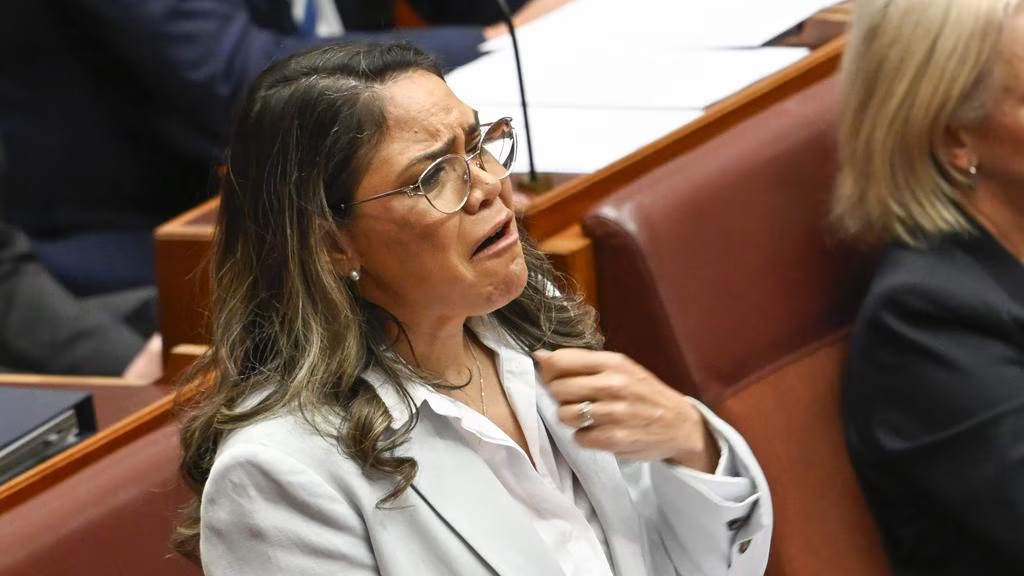
Speaking in the Senate on Tuesday, Senator Jacinta Nampijinpa Price — a relative of Kumanjayi Little Baby — claimed there is an "ideology in this country that has deliberately encouraged people to treat children like her differently because of her racial heritage".
"It's that same ideology that has created a hands-off culture within parts of a child protection system," she said. "An ideology that too often places cultural sensitivities and political correctness ahead of the safety of children."
Data shows only 17 per cent of Indigenous children aged 0-17 in out-of-home care in the NT were placed with an Aboriginal and Torres Strait Islander relative or kin — the lowest rate in the country.
Misunderstanding the legislation
The minister has been accused by legal groups of misunderstanding the legislation she is responsible for administering.
Despite arguing the changes will put the welfare of the child at the forefront for the first time, the legislation in its current form states its primary objective is to "promote the wellbeing of children, including: to protect children from harm and exploitation..."
It further states: "When a decision involving a child is made, the best interests of the child are the paramount concern."
Writing in National Indigenous Times, Dr Tracy Westerman, founder and executive chair of The Westerman Jilya Institute for Indigenous Mental Health, noted: "The Child Placement Principle has never stopped authorities from protecting a child at genuine risk."
Commissioner Hunter said the changes extend far beyond the case of Kumanjayi Little Baby and would have long-lasting consequences for First Nations children and families.
She also argued the reforms fail to align with Closing the Gap agreements or Australia's international obligations under the United Nations Convention on the Rights of the Child and the United Nations Declaration on the Rights of Indigenous Peoples.
"This death cannot justify the sweeping reforms that, if passed, would have only resulted in the same outcome," the Commissioner said. "It's misleading for the NT Government to state that these reforms are in response to or would have prevented recent events, particularly when no review has occurred."



