




Spit hoods will be used on children in the Northern Territory, the Police Commissioner has confirmed.
The practice is widely criticised and the 2017 Royal Commission into the Protection and Detention of Children in the Northern Territory called for it to be abolished.
Spit hoods are banned in custodial settings in New South Wales and South Australia and last year, the NT ombudsman recommended the Territory government formally ban spit hoods as part of a groundbreaking 140-page report on the use of devices in police custody.
Prohibited in youth detention in the NT, it was only a directive by the former Labor government that forbade their usage by the police in watch houses.
Speaking on Monday, Commissioner Michael Murphy said this ban had ended.
"We will be introducing spit guards this week, back into use in the Northern Territory—just in our watch house facilities," he said.
He told reporters there had been 68 police assaults in the last three months, with 20 counts of spitting, which he labelled "absolutely abhorrent".
Director of First Nations Justice at the Human Rights Law Centre (HRLC), Gunggari human rights campaigner Maggie Munn said HRLC was "appalled" at the decision.
"Spit hoods are dangerous devices that can cause serious harm, huge trauma, and death," Munn said.
"We have previously seen the use of spit hoods be used as behaviour management, as punishment and to see the Territory regress to such awful conditions for children in custody is horrific.
"Spit hoods should be banned, in all settings for people of all ages."
The use of spit hoods in NT was thrust into the spotlight when ABC's Four Corners program ran an expose in 2016 which featured footage of a retained child in a chair with a spit hood on.
The NT government promptly ended the use of restraint chairs and spit hoods in youth detention centres, later legislative amendments removed the use of them in youth detention centres by omitting them from the list of approved restraints.
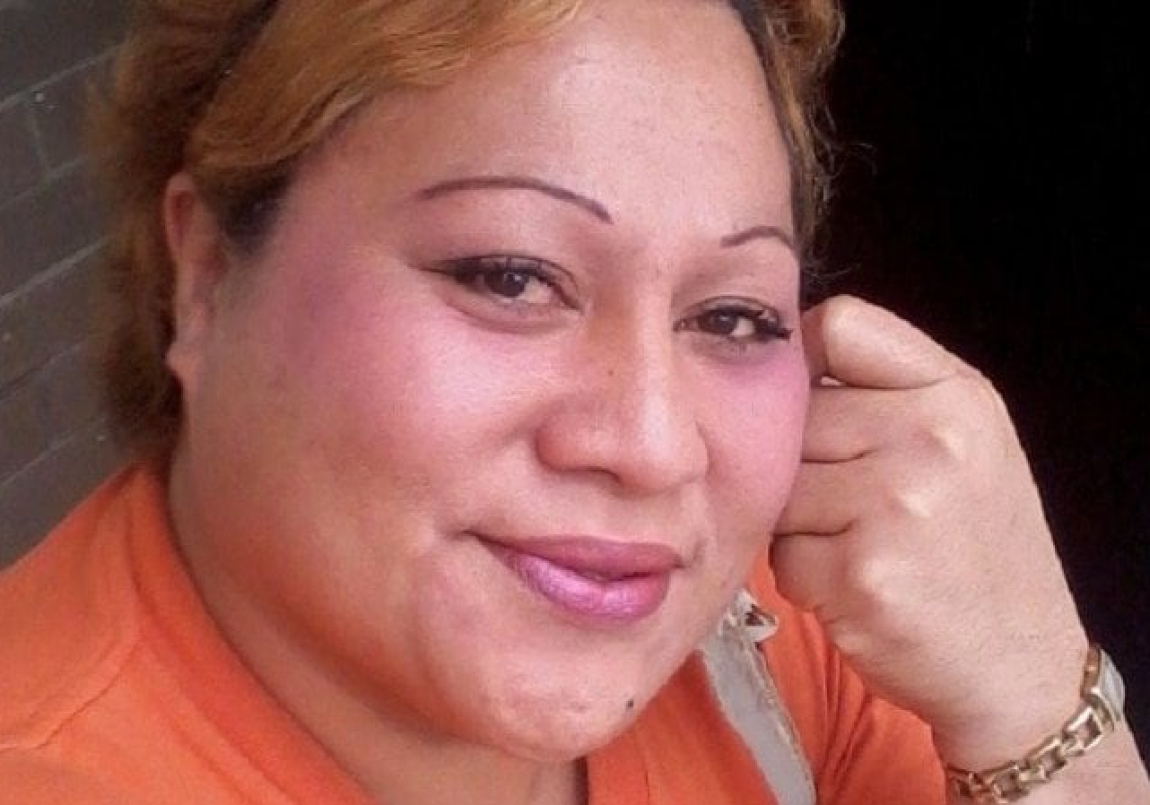
In 2021, 44-year-old Samoan Australian woman Selesa Tafaifa died in custody while restrained with a spit hood and cuffs, following an unsuccessful attempt at a phone call from the prison in order to reach her family.
Footage showed her crying out that she could not breathe and asking for her asthma puffer before becoming unresponsive.
Wiradjuri, Kokatha and Wirangu man Wayne Fella Morrison died in the Royal Adelaide Hospital in 2016 days after he was restrained with handcuffs, ankle flexi-cuffs and a spit mask and placed face down in the rear of the van.
His sibling Latoya Rule has campaigned to ban the use of spit hoods nationwide through the Ban Spit Hoods Coalition. They argue its usage is in violation of the Convention on the Rights of the Child; the Convention Against Torture; the United Nations Standard Minimum Rules for the Treatment of Prisoners (the Nelson Mandela Rules); and the United Nations Rules for the Protection of Juveniles Deprived of their Liberty.
Monday also saw Commissioner Murphy support the NT government's decision to lower the age of criminal responsibility to 10-years-of age.
"[These changes] will give police more powers to enforce the laws, be preventive and protect the Northern Territory and reduce crime rates – it's quite simple,' he said.
His support of legislation experts say will almost definitely harm Aboriginal children, as well as make the community less safe, comes less than three months after the commissioner apologised to Aboriginal Territorians at the Garma festival for the "the past harms and the injustices caused by members of the Northern Territory Police
"As the legislated protectors of Aboriginal people, and Territory Community, Northern Territory Police historically were required to defend Aboriginal people from harm," he said at the time.
"I know that I can't change or undo the past, but as police commissioner alongside our police officers, we can commit to not repeat the mistakes and injustices of the past."
Questions put to the NT Police by National Indigenous Times about the connection between the apology and supporting lowering the age were directed back to audio of the Commissioner's press conference.
A new report last week from the NT Child Commissioner found every child under 14 in youth custody in the NT had an interaction with Child Protection—94 per cent had been exposed to domestic and/or family violence.
Chief Minister Lia Finocchiaro defended her government's decisions, claiming on Monday "no other jurisdiction" in Australia had taken the steps of the previous government by "abandoning young people under the age of 12 and allowing them, unfettered, to go commit crimes against innocent Territorians".
Both the ACT and Victoria have legislated the age of criminal responsibility at 12, with it increasing to 14 in the ACT in 2025.
She said the decision would ultimately help both children and the community.
NT opposition leader Selena Uibo said locking up 10-year-old children will not improve community safety.
"Frontline workers, paediatricians, legal experts, and Territory Victims of Crime have strongly voiced concerns about the CLP's plan to lower the age of criminal responsibility," she said.
"Ten-year-old's heading down the wrong path need support and guidance, not the walls of a prison cell which will further entrench them in a life of crime."



