




Whilst revelations of institutional police racism in the Kumanjayi Walker inquest rightly dominated headlines last week, another pressing and ongoing issue was again thrust into the spotlight: the Northern Territory's punitive law and order policies.
Delivering her long-awaited findings in Yuendumu, Coroner Elisabeth Armitage found Mr Walker's 2019 death was "avoidable" and criticised the culture and conduct of the NT Police in the lead-up to and during his attempted arrest.
But beyond the fatal shooting itself, her report painted a damning picture of a justice system that failed the young Warlpiri-Luritja man long before the night he was killed.
Between the ages of 13 and 18, Mr Walker spent extensive time in custody. In 2019, the year of his death, "there were no days when he was not under some form of restraint".
"I have little doubt that Kumanjayi's behavioural problems as an adolescent and young adult stem from his exposure to alcohol in utero and the trauma he experienced as a young child, largely because of his exposure to violence and alcohol and concomitant neglect," Judge Armitage said.
"Given his ongoing levels of recidivism it seems reasonably clear that detention neither deterred nor rehabilitated Kumanjayi, and his isolation from family and community likely had a deleterious effect on his overall prospects for rehabilitation both in and out of detention."
View this post on Instagram
The coroner's findings add weight to longstanding concerns from advocates, lawyers and community leaders about the NT's reliance on incarceration — particularly for children and those with disabilities.
A 2024 survey of children aged 10 to 13 in NT detention found 94 per cent were Aboriginal, 77 per cent had mental health needs or cognitive disabilities, and nearly half had multiple diagnoses.
University of Technology Sydney law professor Thalia Anthony says the impact of children and young people being locked up means there's a generation of children "who have a lost identity and who are not able to build their strengths in community".
"When that starts to fall apart, it leads to more violence for these young people, but it also means that the community does not have its future leaders," Professor Anthony told National Indigenous Times.
"Once you take away the kids, it starts to have a very assimilationist impact on communities."

Despite these alarming figures, the NT government has doubled down on carceral responses since returning to power last year.
Reforms under the CLP Government include lowering the age of criminal responsibility from 12 to 10 and tightening bail laws — moves experts say disproportionately harm First Nations people and undermine national efforts to reduce incarceration under the Closing the Gap framework.
The NT government has made no apologies for its approach. Framing it as essential for public safety, it has delivered record police investment in its most recent budget, whilst pushing back on claims of racism in its police force.
Yet experts argue incarceration fails to address the underlying drivers of crime, and in some cases, worsens them.
"Law and order posturing about punishment, power and control has never worked before and it won't work now," NATSILS Chair Karly Warner said last year.
"The NT already has by far the highest imprisonment rates in Australia – if jailing children worked, this would already be the safest place in the country."
Professor Anthony says the current system both harms and traumatises Indigenous children.
"[It] then lets them out into a community where there's no support, where culture has kind of, in some ways, been inaccessible to them, and then expects them to thrive and to play by the rules. I think that's just impossible," she said.
Despite this, the NT government has been seen celebrating rising prisoner numbers through official media releases.
As of March, more than 2,700 people were in custody — nearly 90 per cent of them Indigenous. The NT's incarceration rate now stands at 1,238 per 100,000 people — second only to El Salvador globally. For Aboriginal people in the NT, that figure rises to a staggering 4,399.4 per 100,000, second only to Western Australia.
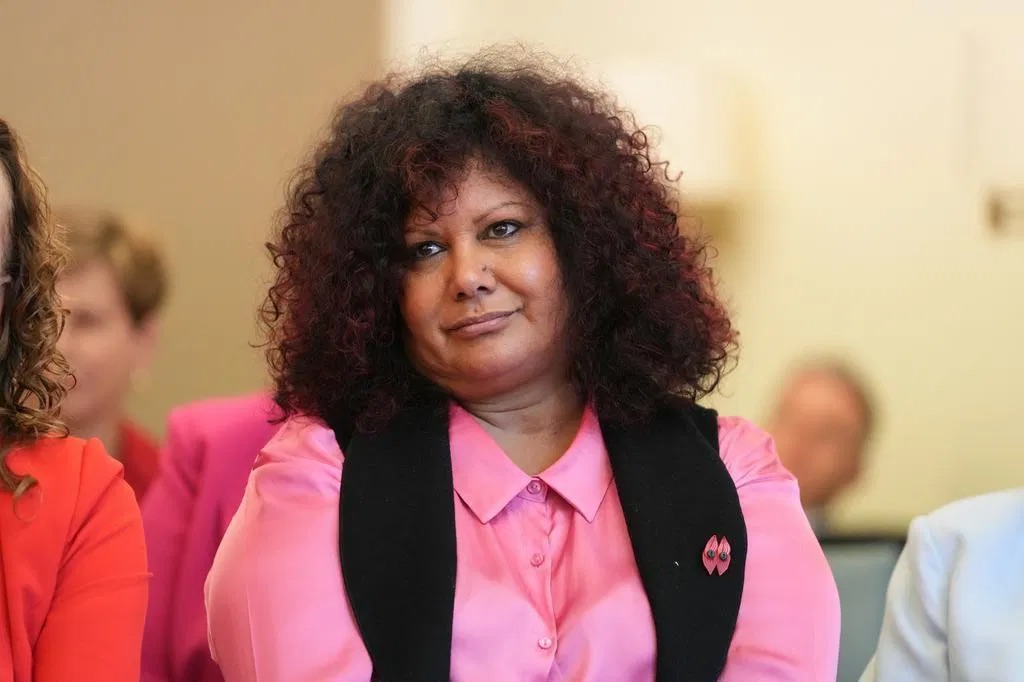
Federal Minister for Indigenous Australians, Malarndirri McCarthy, addressed the situation last week, calling bail and remand "key drivers of the disproportionately high incarceration rates of First Nations young people and adults".
"This is serious business, too many of our people are being locked up unnecessarily," she said.
Without naming them directly, the Yanyuwa woman issued one of her strongest criticisms yet of the NT government, saying, "While Corrections is doing what they can, it is NT laws that are driving this situation. It is unacceptable for both prisoners and staff".
"Our prisons are holding people who have not been convicted of a crime because of laws which drastically reduce the circumstances under which they can be granted bail.
"As the Royal Commission into Aboriginal Deaths in Custody made clear, the best way to reduce First Nations deaths in custody is to reduce the high incarceration rate of our people."
Senior Warlpiri Elder Ned Jampijinpa Hargraves, whose grandson Kumanjayi White died in police custody earlier this year, echoed these concerns.
"Our people have the solutions; we need to take back our rights to run our community and to have peace," he said.
The Walker family also reiterated the importance of community-led solutions.
"These measures are not only about keeping Yuendumu safe, but also about ensuring our right to self-determination," they said in a statement.
"When we are able to shape our futures and govern our own communities, our people are stronger, our outcomes improve, and our culture flourishes."
The NT is a signatory to the national Closing the Gap agreement — a pact that explicitly aims to reduce Indigenous incarceration and ensure community-led solutions. Yet its current direction appears increasingly at odds with these commitments.
The findings from the Walker inquest are not legally enforceable, and the NT Government has shown little inclination to adopt policies which go against its 'tough on crime' mantra. However, they are required to follow the Closing the Gap agreement — something many of their policies often disregard.
Whether these findings prompt genuine reform or become another shelved document in the long history of Aboriginal deaths in custody now depends on political will. If the NT government continues to conflate punishment with safety, it risks deepening the cycles of harm that the coroner outlined.



