




The Northern Territory police officer who fatally shot 19-year-old Kumanjayi Walker is a racist, and the NT Police Force exhibits hallmarks of institutional racism, Coroner Elisabeth Armitage has found in the nation's longest-running coronial inquest.
Delivering her long-awaited findings in the remote community of Yuendumu on Monday, Judge Armitage said Mr Walker's death in 2019 was avoidable and criticised the conduct and culture within the NT Police leading up to and during the attempted arrest.
"This was a case of officer-induced jeopardy," she said — describing it as a situation where "officers needlessly put themselves in danger, making themselves and others vulnerable and creating a situation that justifies the use of deadly force".
Mr Walker, a Warlpiri-Luritja man, was shot three times by then-NT police officer Zachary Rolfe during a botched arrest attempt in Yuendumu, 300 kilometres northwest of Alice Springs. Mr Rolfe was later acquitted of both murder and manslaughter in March 2022 following a high-profile Supreme Court trial.
In handing down her findings, Judge Armitage said Mr Rolfe's behaviour was enabled by a failure of leadership within the NT Police.
"An officer who dehumanises and devalues the lives of arrestees may be less inclined to do everything necessary to avoid injuring them," she said.
She added the NT Police failed to properly supervise or correct Mr Rolfe's behaviour, contributing to a sense of impunity.
The Walker family, who have campaigned nationally for justice since his death, said the inquest confirmed what Aboriginal people in the Territory have long known.
"This system is violent, racist, and broken," the family said in a statement.
"Hearing the inquest testimony confirmed our family's belief that Rolfe is not a 'bad egg' in the NT Police force, but a symptom of a system that disregards and brutalises our people."
Judge Armitage supported that view, stating: "There was direct evidence of clearly racist comments made by Mr Rolfe, and between Mr Rolfe and his superiors.
"His racist messages were not mere aberrations. They were at least in part reflective of a work culture that tolerated racism.
"Having considered all the evidence, including Mr Rolfe's explanations and justifications, I found that Mr Rolfe was racist and that he worked in, and was the beneficiary of, an organisation with hallmarks of institutional racism."
On the behaviour of Mr Rolfe, she added: "I am satisfied that there is a significant risk that his racism, in combination with some of his other attitudes and values, affected his interactions with the community of Yuendumu on 9 November 2019, his entry into their houses and his perception of in response to the young Aboriginal man he shot and killed in a way that increased the likelihood of a fatal outcome."
Judge Armitage highlighted Mr Rolfe's contempt for women, authority figures, and regional officers — alongside an "attraction to high adrenaline policing" — as factors that made a deadly outcome more likely.
"His frustration or contempt for more senior officers who had not earned his respect" was also evident in his communications, she said.
While she affirmed police have the right to defend themselves from serious threats, Judge Armitage was unequivocal: "This was not a case of one bad apple."
"Instead, the evidence suggested that racist behaviour or language, although not uniform, was normalised within the Alice Springs police station during Mr Rolfe's time there as a junior police officer."
The inquest heard that Mr Rolfe alleged the elite Tactical Response Group (TRG) issued racist mock awards — such as "c--n of the year" and the "Nugedah" award — for officers exhibiting "Aboriginal-like behaviour." NT Police denied the existence of such awards, but the Coroner noted that many officers involved had since been promoted.
"That no police member, including no senior police, who knew of these awards reported them is clear evidence of entrenched systemic and structural racism within NT Police," she said.
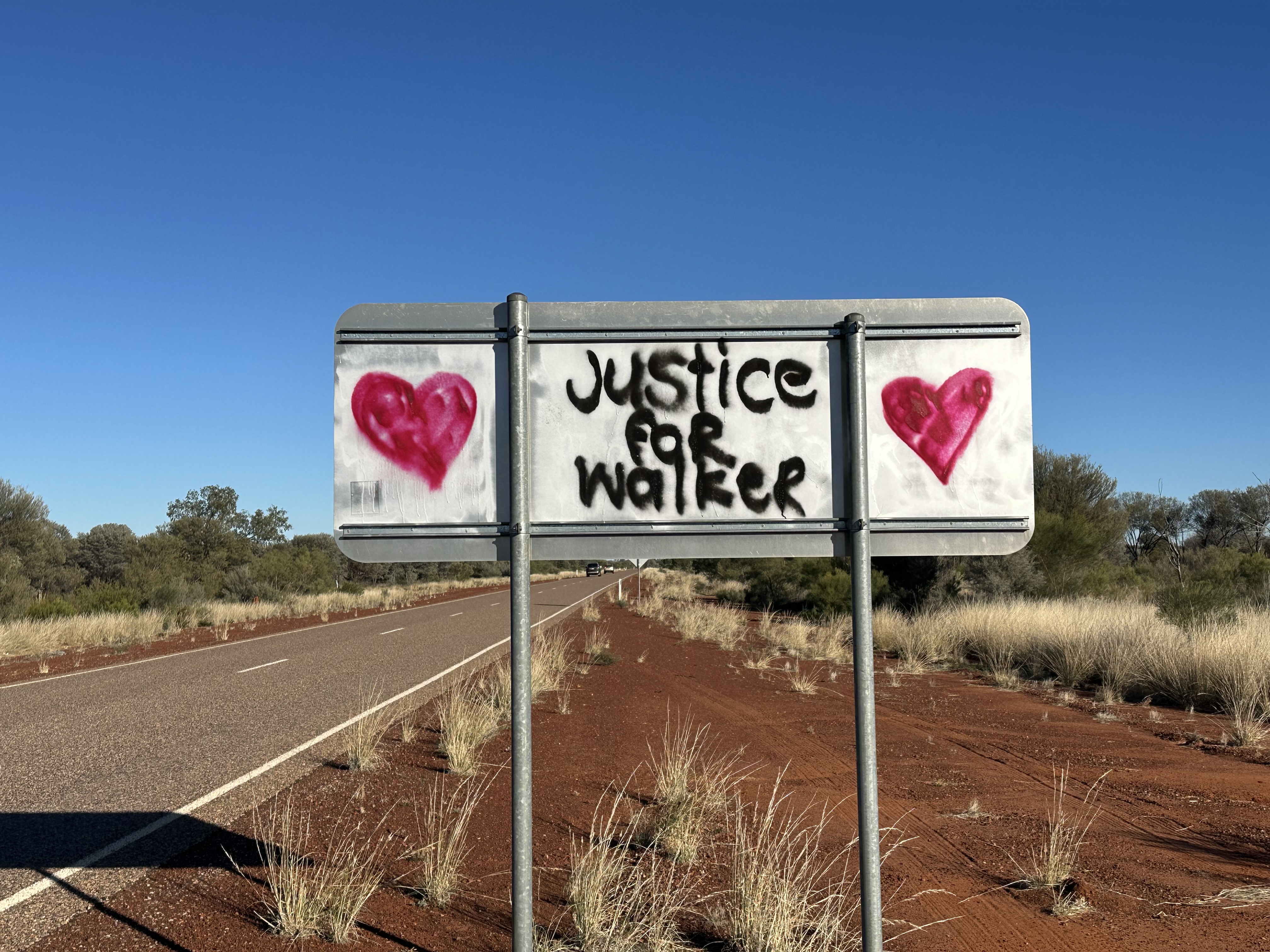
Judge Armitage also reflected on Mr Walker's life and circumstances, painting a portrait of a young man deeply affected by trauma, poverty, and a broken justice system.
"I have little doubt that Kumanjayi's behavioural problems as an adolescent and young adult stem from his exposure to alcohol in utero and the trauma he experienced as a young child, largely because of his exposure to violence and alcohol and concomitant neglect," she said.
Between the ages of 13 and 18, Mr Walker spent significant time in custody. In 2019, "there were no days when he was not under some form of restraint".
In a clear criticism of the Territory's justice system, the Coroner said: "Given his ongoing levels of recidivism it seems reasonably clear that detention neither deterred nor rehabilitated Kumanjayi, and his isolation from family and community likely had a deleterious effect on his overall prospects for rehabilitation both in and out of detention."
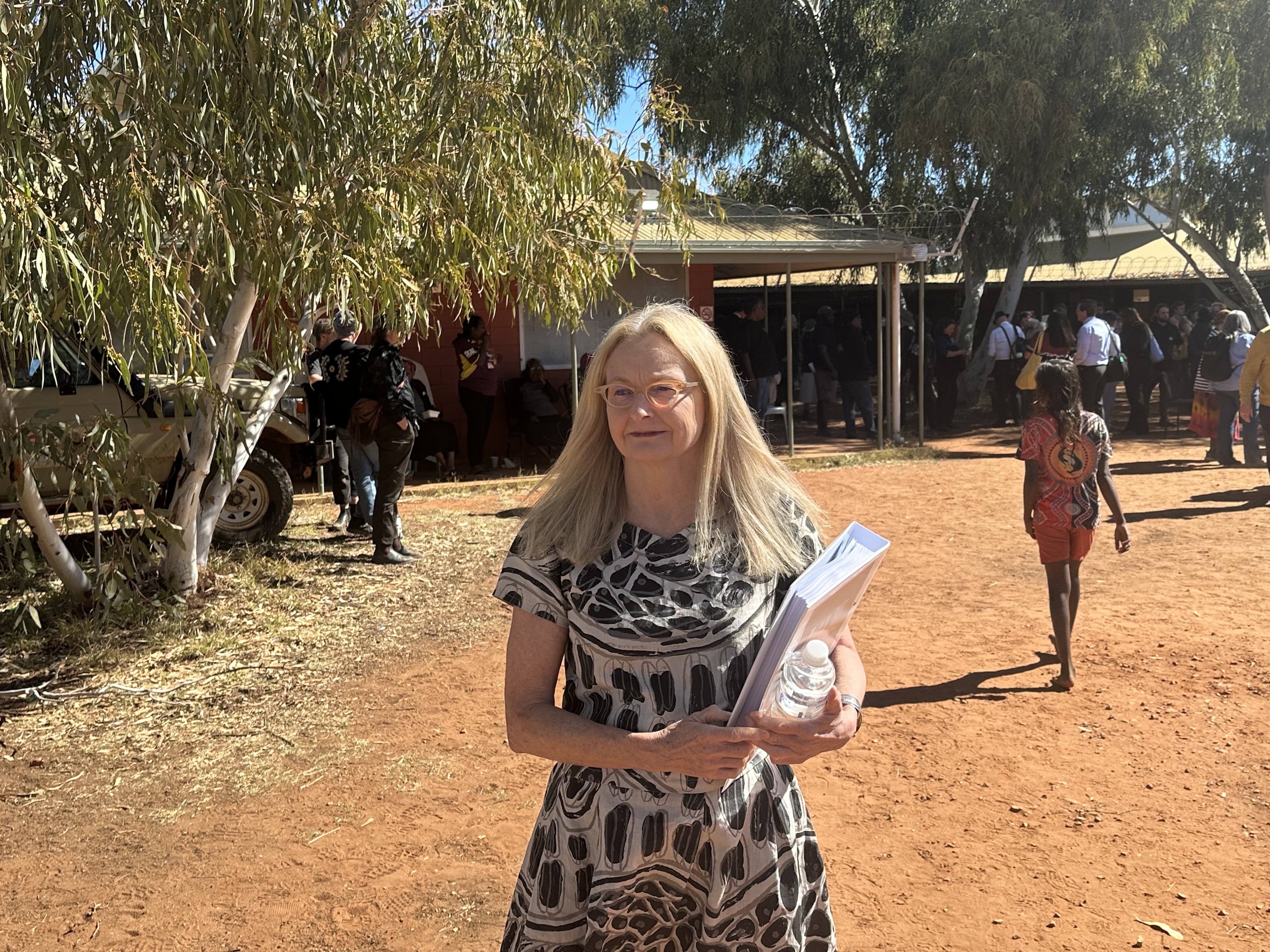
Amongst the crowd in the remote community were senior members of NT Police — including Acting NT Police Commissioner Martin Dole and Leanne Liddle, who has been tasked with addressing racism in the force.
While the inquest has ended, the consequences of its conclusions — and the systemic issues it has laid bare — will continue to reverberate across the Territory and the nation.
As part of her 32 recommendations, the Coroner called for the NT Police's management of internal complaints and internal investigations be properly rectified, as well as that they engage with Yuendumu leadership groups to develop mutual respect. This includes when it would be appropriate for members of the force not to carry weapons in the community.



