




Jail has never helped a child, the peak body for Indigenous legal services said after the Northern Territory parliament voted to lower the age of criminal responsibility to 10.
In a decision which reversed legislation enacted by Labor in their previous term to raise the age to 12, the new CLP government has argued their 'tough on crime' electoral mandate requires them to legislate lowering the age—despite human rights, legal, medical, and Indigenous experts all condemning the decision.
"By lowering the age of criminal responsibility, we can intervene earlier in a young person's life and provide them the support they need to turn a new page, and start a better journey of skills training, including in our promised two new youth boot camps in Darwin and Alice Springs," Chief Minister Lia Finocchiaro said.
In the wake of the announcement, National Aboriginal and Torres Strait Islander Legal Services' (NATSILS) chair, Karly Warner, said time spent incarcerated can "permanently harm children and set them on a tragic course that can destroy lives, families and increase crime".
"Jail has never once helped a child or their community," Ms Warner said.
"Jailing children is just a lazy response that fuels cycles of disadvantage and makes everyone worse off. This will backfire. This is a sad day that we'll remember."
Currently, Aboriginal and Torres Strait Islander young people aged 14-17 are incarcerated at a higher rate in the NT than anywhere else in the country, whilst the latest Closing the Gap data saw eight metrics failing to improve - the worst jurisdiction in the country.
The Indigenous-led Children's Ground said children and young people in the NT "wake up each day to racism, biases, exclusion and discrimination, compounded by the long-term neglect and trauma resulting from decades of government failure".
"This legislation will reinforce pathways to reoffending and has the potential to create greater harm and risk for all Territorians," they said.
"This is not the answer to the needs of our children and our community."
Last week, Ms Finocchiaro said her government made "no apologies for our swift and decisive action" in combating crime.
When pressed by journalists that a number of experts disagreed with her stance, the Chief Minister said: "Ignoring young people who commit crimes is not the answer to turning their life around."
Ms Warner disagreed.
"The new Chief Minister claims that this will allow the government to intervene earlier. That was never the case previously and it won't be this time either," she said.
"The NT already has by far the highest imprisonment rates in Australia – if jailing children worked, this would already be the safest place in the country.
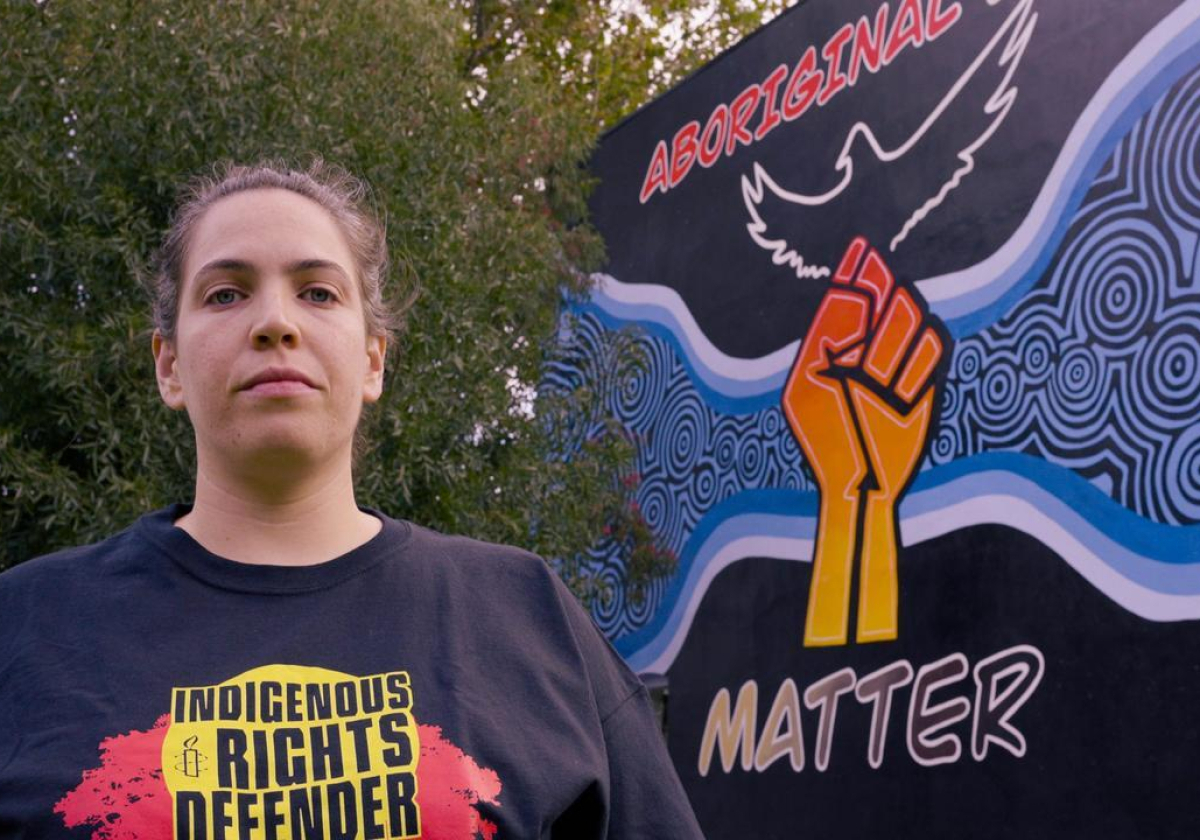
First Nations Justice Director at the Human Rights Law Centre and Gunggari human rights campaigner, Maggie Munn, said the "regressive laws" will discriminate against Indigenous people, and force more children into jails.
"Less than two years after being the first jurisdiction to raise the minimum age of criminal responsibility, the Northern Territory have condemned children, particularly First Nations children who are disproportionately incarcerated, to the trauma of the criminal legal system," Munn said.
"Our children deserve better than what this new Government is condemning them to."
Acting National Director of Change the Record, Blake Cansdale, said the decision was more than just a step backwards.
Rather, he argued it's an "example of a government deliberately abandoning the most vulnerable children in our society, particularly First Nations children who are already disproportionately impacted by criminal laws that are discriminatory in effect".
"Locking up young children doesn't make our communities safer. Rather, it further entrenches cycles of disadvantage and intergenerational trauma, increasing the likelihood of recidivism and setting those vulnerable children on a path to adult incarceration."
On an average day in 2022-23, Indigenous children and young people were 42.9 times more likely to be in youth detention in the NT compared to non-Indigenous children and young people.
A recent report from the NT Child Commissioner found every child under 14 in youth custody in the NT had an interaction with Child Protection, with 94 per cent having been exposed to domestic and/or family violence.
Earlier this week, the NT Police Commissioner announced spit hoods would be redeployed in youth detention facilities, despite a 2017 Royal Commission into the Protection and Detention of Children in the Northern Territory calling for their usage to be abolished.
Ms Warner labelled them "essentially a form of torture", noting the NT Child Commissioner's statements that they are "known to cause irreparable harm and must not be used on children".
"Bringing back spit hoods for use on children as young as 10 would be a shameful slide back into regressive, Victorian-era punishment that will set the NT back by decades," Ms Warner said.
"If we continue down this path, we will only worsen the crisis of Aboriginal mass incarceration, make communities more dangerous and risk unimaginable tragedies. This is entirely avoidable," she said.
"We are pleading with the NT Government to slow down and listen. Please: there is a path forward that reduces crime and protects children. Those should be your objectives."



