




Keeping younger children out of detention and improving community safety in Victoria requires evidence-based action rather than the "reactive" responses that have dominated the state's approach, Victoria's Children's and Aboriginal Children's Commissioners say.
The comments accompany a report tabled in parliament on Thursday examining the experiences of children under the age of 14 who have been in custody.
While Victoria is one of only two jurisdictions to raise the age of criminal responsibility above 10, the Jacinta Allan-led government has been criticised for abandoning its commitment to later increase it to 14.
The state has faced significant public and political attention over youth crime and bail laws, prompting the government to introduce a series of bail reforms that have been widely criticised by human rights, Indigenous and legal organisations.
However, experts have long argued that placing children in the youth justice system at an early age increases the likelihood of reoffending and fails to achieve rehabilitation.
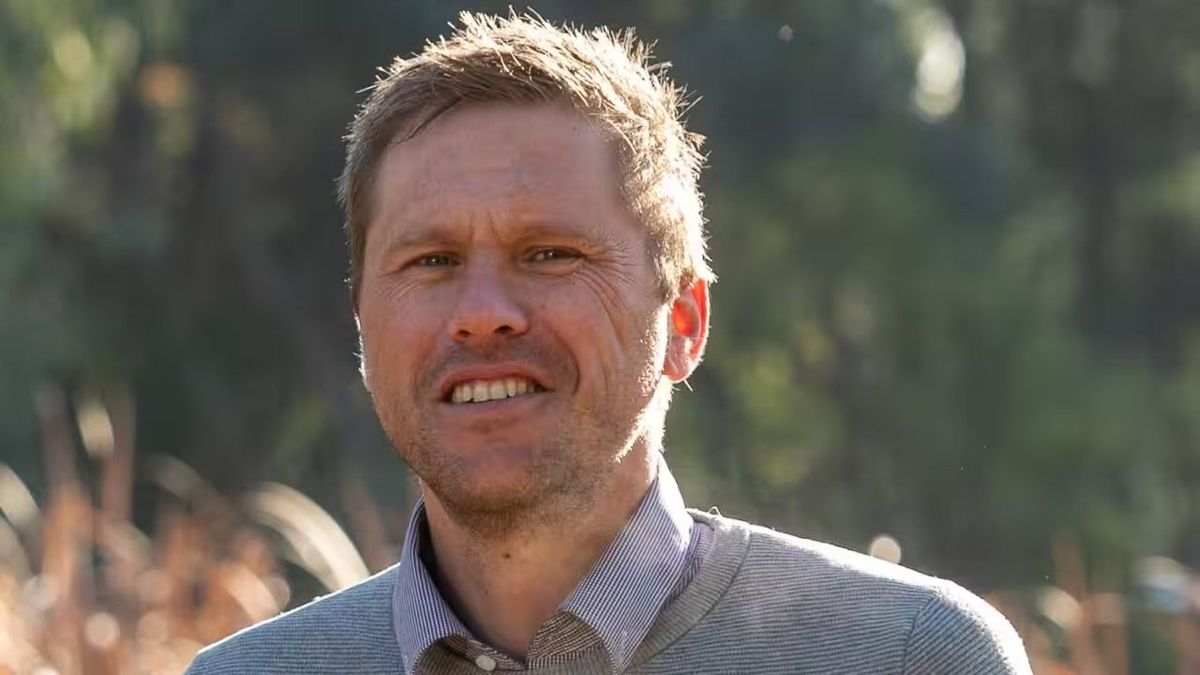
Dallas Widdicombe, Victoria's Commissioner for Aboriginal Children and Young People, said the evidence showed the small cohort of children aged between 12 and 14 are "not being rehabilitated within custody".
"The community are not safer by having these young people put in custody," he told National Indigenous Times.
The report, With us, not against us, argues that keeping children under 14 out of the justice system requires early intervention and therapeutic support. It examined the experiences of 26 children who entered the justice system before turning 14 and found they had experienced significant disadvantage long before offending.
Collectively, the children were the subject of 250 Child Protection reports, many before the age of five, with family violence the most common concern. Nearly nine in 10 lived with disability and had missed significant amounts of school.
Commissioner Widdicombe said many of the young people examined by the inquiry "haven't been able to be children".
"For 13 of the children, family violence was first raised as a concern before the age of five," he said. "19 of the 26 were placed in out-of-home care." 15 of those children had lived in residential care at some stage of their childhood.
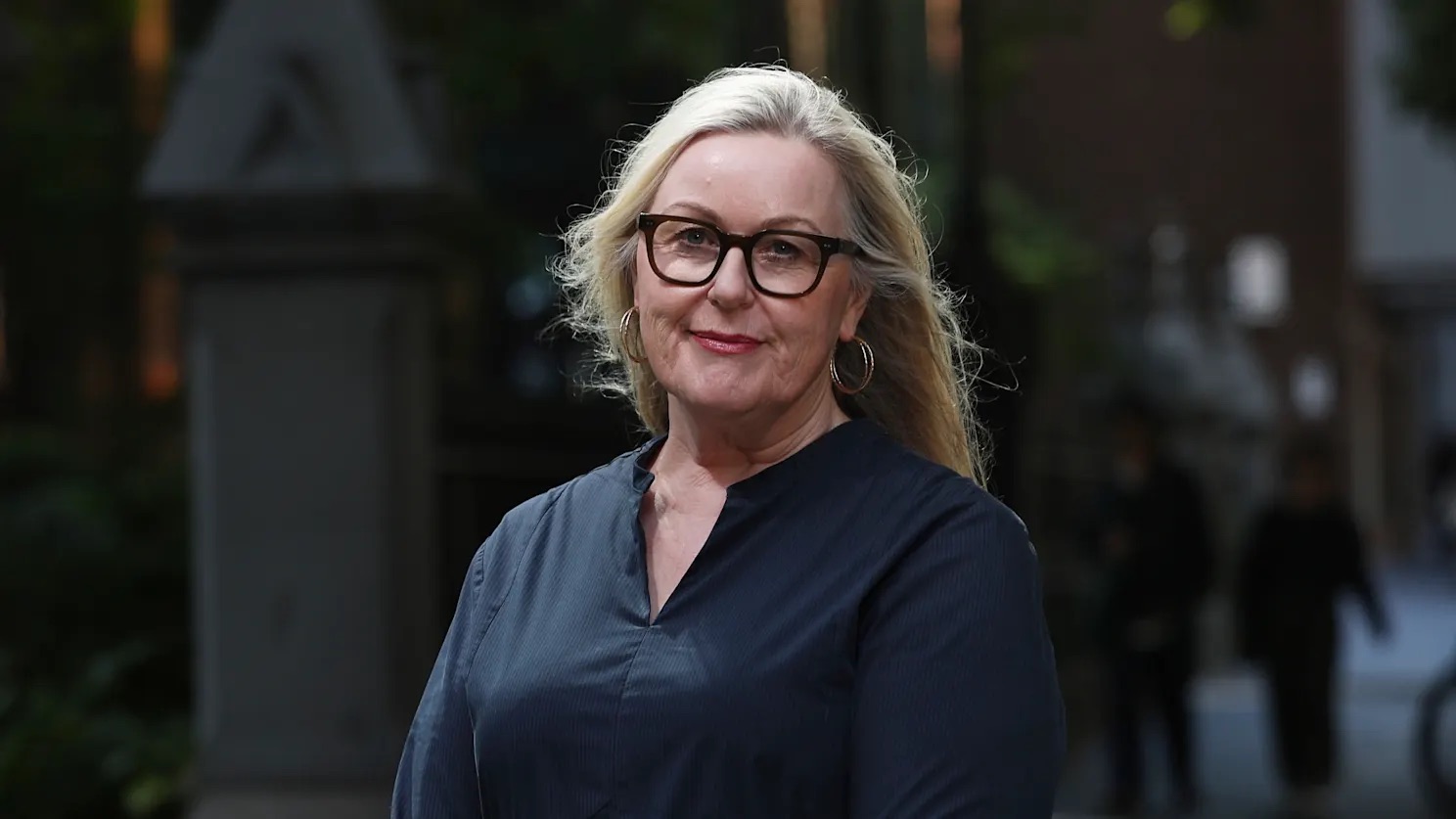
Tracy Beaton, Victoria's Principal Commissioner for Children and Young People, said the inquiry demonstrated that children needed to be heard "early on," before becoming involved in the criminal justice system.
"The stories of the children in this report show the significant harms they experienced before they offended that could and should have been addressed through stronger prevention and early intervention," she said.
Although children under 14 account for around one per cent of alleged offenders in Victoria, the report found that involvement in the justice system often exposes them to further harm and increases the risk of reoffending.
It argues Victoria's response remains largely reactive despite growing evidence that prevention, family support, education and therapeutic services are more effective at reducing youth offending.
"We're not providing them with any hope by locking them up," Commissioner Widdicombe argues.
"They're not coming out fantastic citizens. There's a great argument...that the public are not safer because they come out and commit more offences."
Like numerous inquiries before it, With us, not against us found Aboriginal children, as well as children from multicultural backgrounds, are disproportionately represented in the youth justice system, with many coming from communities that have experienced racism, poverty and marginalisation.
The report states that strengthening children's connections to culture and community is critical to intervening early and preventing them from entering the youth justice system.
It makes 15 recommendations, including improving coordination between child protection and youth justice, exploring alternatives to police as first responders for children and expanding early intervention programs.
Furthermore, it calls for children's voices to be placed at the centre of decision-making, and raising the age of criminal responsibility to 14 — without exceptions.
"We owe children solutions that work, not punishments that prime them to start or keep offending," Commissioner Beaton said.
"It is at this vital stage in their young lives that our obligation as adults is most urgent. We have the opportunity to work with a small number of children to make a massive difference in their lives and for the community."



