



A 11.5-metre German rocket took flight from the remote South Australian town of Koonibba last Friday, but not without stirring concerns.
The launch, facilitated by Southern Launch in partnership with the community, did not go ahead without consultation with the Far West Coast Aboriginal Corporation and the Yumbarra Conservation Park Co-management Board to safeguard cultural sites and wildlife habitats from potential risks associated with rocket activities.
However, Kokotha Elder Sue Coleman-Haseldine remains apprehensive.
"That rocket launching, I think it could start fires, it could just hit one of these rocks and smash it, starting to break the storylines," Ms Coleman-Haseldine told the ABC.
She, along with supporters, protested the venture, fearing damage to sacred sites and jeopardising the next generation's connection to their land.
Many of Koonibba's 125 residents supported the launch, seeing plenty of upsides; The community's six-year partnership with Southern Launch promises educational opportunities for local schools and plans for a space observatory to boost tourism.
For Ms Coleman-Haseldine, the spectre of weapons technology haunts the situation, evoking memories of the nuclear tests at Maralinga and Emu Fields.
Born at the Koonibba Mission, she remains steadfast in her opposition, advocating for the preservation of sacred sites and environmental integrity.
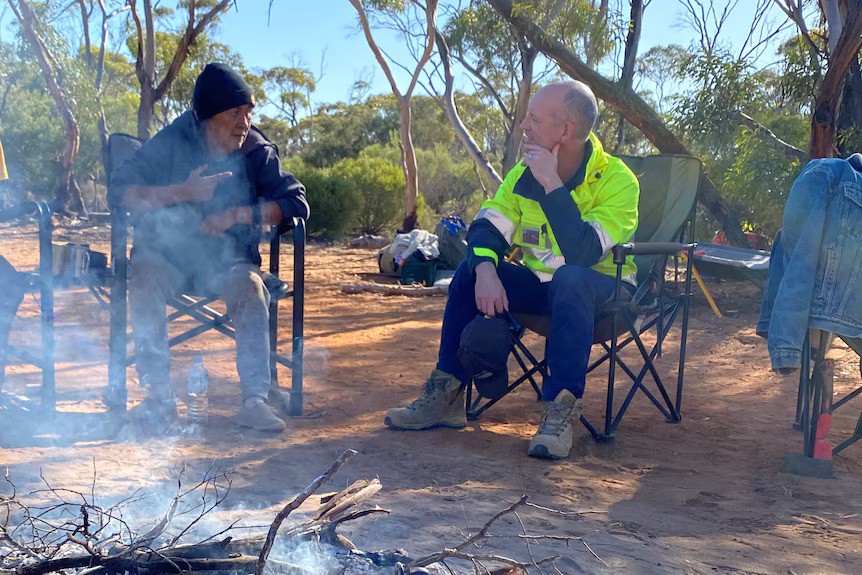
In the rocket launch range, the Yumbarra Conservation Park and Yellabinna Wilderness Protection Area are where Ms Coleman-Haseldine is keeping watch.
An SA Department for Environment and Water spokesperson reiterated that Southern Launch had consulted with Indigenous groups to protect cultural sites and minimise risks to wildlife.
"If weather conditions forecast for a launch present an unacceptable fire risk to the parks, the department would work with Southern Launch to postpone the launch," the spokesperson told the ABC.
Ms Coleman-Haseldine stressed her custodial role in preserving the land, animals, and stories.
"This area is all part of the Seven Sisters dreaming," she said.
"Country gives us bush med, food, teaches the kids out here how to survive.
"And it teaches them respect for the country and each other, and the animals."
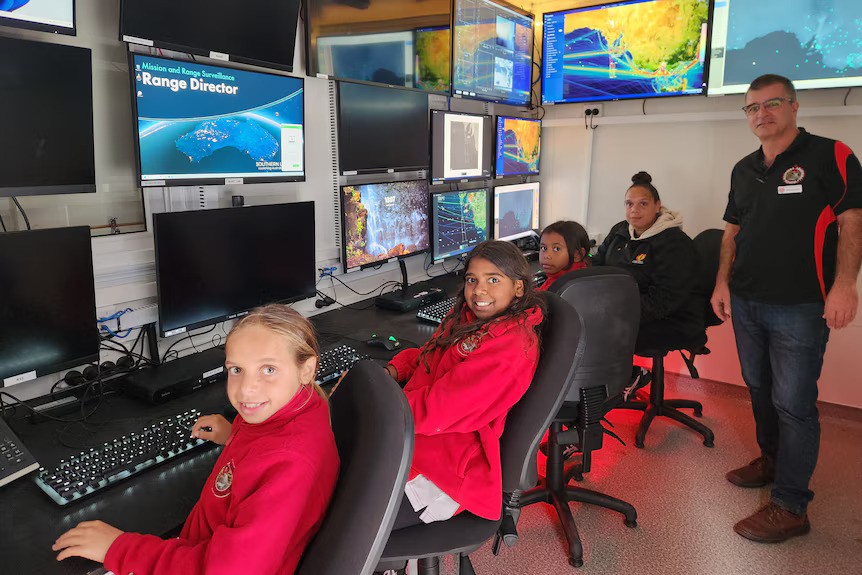
Koonibba Aboriginal School principal Mark Prince highlighted the impact on his 28 students, noting that some had crafted rockets and showcased their work at a STEM conference in Adelaide, over 800 kilometers away, with support from Southern Launch experts.
He emphasised the educational advantages stemming from the emergence of science-based opportunities in the town, underscoring the broader benefits for students and the community alike.
"When you build upon Aboriginal knowledge of aerodynamics through boomerang and spear making in the Woomera, Aboriginal people have been tinkering in aerodynamics for a long, long time," Mr Prince told the ABC.
"They know what a farmer does, they know what a mechanic, an electrician, a hairdresser [and] a shop assistant [does], they know those jobs quite well … what it does provide us is an opportunity to see a scientist and engineer, a logistics person."
Following suit with Nhulunbuy in the Northern Territory and Abbot Point in northern Queensland, Koonibba now enters the ranks of communities hosting private rocket launches.
Meanwhile, the Abbot Point operation is gearing up to make history by sending the first Australian-built orbital rocket into space later this month.



