


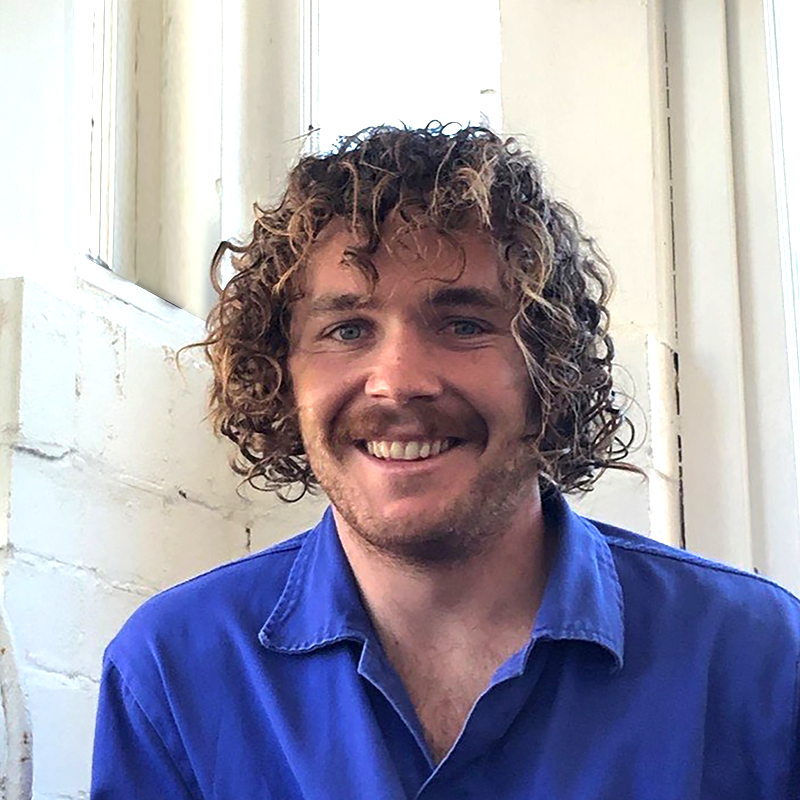

It's not quite six months since the two days which changed Damien Briggs' life.
A small juncture within a lifetime, between receiving a name and later confirmation, separated by just a few weeks, ended a wait of more than 50 years for answers about who he was.
It's a story all too familiar for many people around the country - Stolen Generations survivors like him, their families, children and grandchildren.
Mr Briggs shared his story publicly for the first time at a gathering of 200 people in Naarm on the 18th anniversary of National Apology to the Stolen Generations delivered in Parliament on February 13, 2008.
For decades, Mr Briggs, born in 1973, "knew nothing about what had happened to me" in the early years of his life.
"I was subject to removal from my birth family, my Aboriginal family, my cultural identity, and I was placed into a children's home at the age of five months."
At three years old Mr Briggs was placed into foster care before being adopted by a non-Aboriginal family in the northern suburbs of Melbourne.
He left that home, where he had suffered traumas he didn't share, at the age of 14 with $7 in his pocket to start the search for his father.
Mr Briggs didn't find his dad "under the bridge in St Kilda with all the other Blacks" where he first travelled - which was where his adopted mother had said he would likely end up.
"Hearing her say those words led me to believe that there was somewhere that I could go to try and hopefully find my dad or people just like me," Mr Briggs told the room on Friday.
"At the age of 14, having had an absolute gutful of the treatment I received from my adopted family, I decided that it would be safer for me on the streets.
"That bridge and those people couldn't be found, and my life on the streets began."
Decades spent obtaining adoption records and multiple attempts going over hundreds of pages just in case he'd missed something didn't provide the answer of his father's name.
After years just trying to "survive", Mr Briggs moved to the Northern Territory, completed studies, was able to "shake" substance addictions, and secured fulfilling work within Aboriginal communities before returning to Melbourne around nine years ago.
Ms Briggs more recently wrote a Yoorook Justice Commission submission and began working with Stolen Generations support service Connecting Home as part of reparations processes.
He'd lost some pages of his adoption records needed for the paperwork.
"In my new application for the adoption records I asked for any information about my father to be released to me. Of course, I expected nothing," Mr Briggs recounted as he held back emotion.
"A few months went by, and on that day, September 8th 2025, my records came through.
"To my surprise, to my shock, I finally saw my father's name for the very first time."
"It said at the very bottom 'Father: Gary Briggs, Mooroopna'."
On October 2 confirmation he was his father's son came from Aunty Bev Murray, from Stolen Generations support service Link-Up Victoria.
"My 38-year search for my father and my Aboriginal family was over. It was over," Mr Briggs said.
Mr Briggs is a Yorta Yorta and Gunai Kurnai man.
Sadly, his father had already passed away. Though Mr Briggs has been able to reconnect with family - who he said had themselves waited more than half a century.
A few of them were in the room with him listening to him speak at Preston City Hall, 18 years on from when then Prime Minister Kevin Rudd delivered the apology in Parliament.
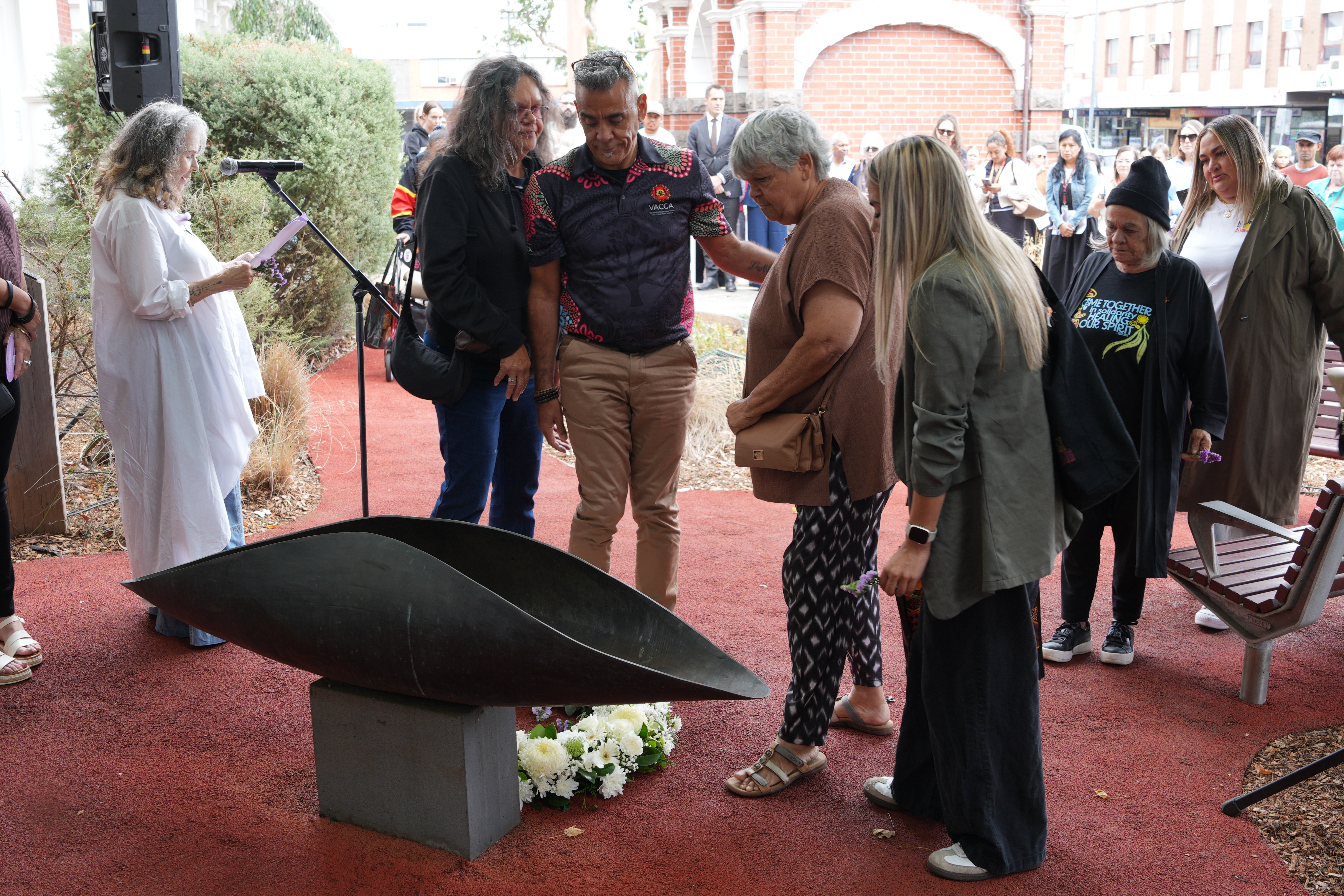
Link-Up and Connecting Home, in partnership with VACCA (Victorian Aboriginal Child and Community Agency) and Darebin City Council host the event annually.
Personal stories from survivors, reflections of the day in 2008 and time which has passed since are shared before a ceremony at the Council's Stolen Generations Marker and a lunch.
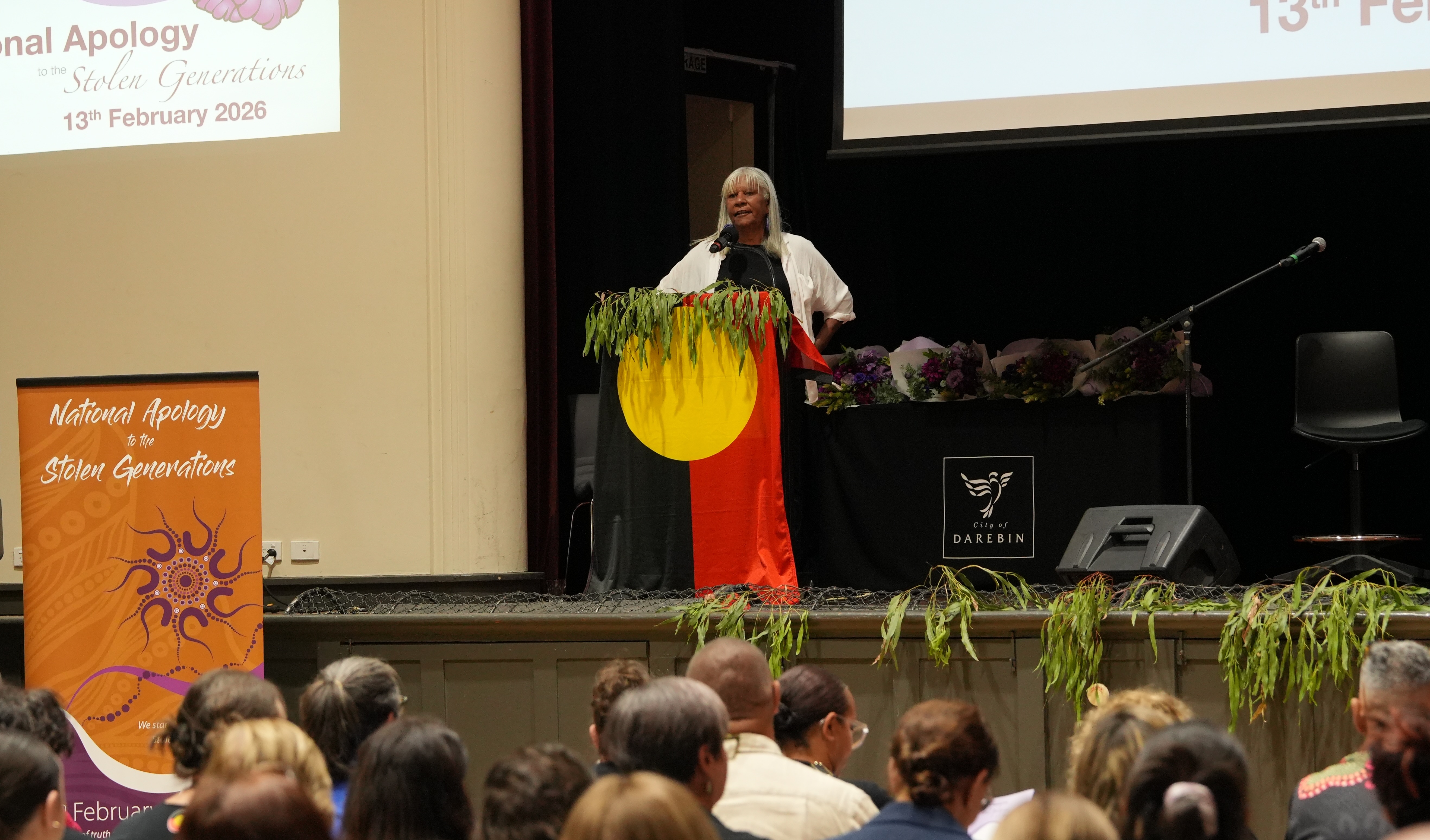
"I guess there's no denying that it still impacts us today...18 years on," Mutti Mutti, Boon Wurrung and Yorta Yorta woman and Stolen Generations survivor Aunty Eva-Jo Edwards said following a showing of Mr Rudd's apology.
Aunty Eva Jo was there in Canberra on the day.
"For me, my removal was yesterday," she said, explaining her frustrations at rhetoric that it's something survivors should move past and get over, Aunty Eva Jo said.
This is particularly tough to take given extreme rates of child removals and Indigenous youth in out-of-home care in Victoria and around the country, she added
"It took everything away from me. My siblings, my culture, my identity...it continues to impact me every day."
Aunty Eva Jo's kids and grandchildren, and new generations to all other families with similar experiences which have come since, still grapple with the impact.
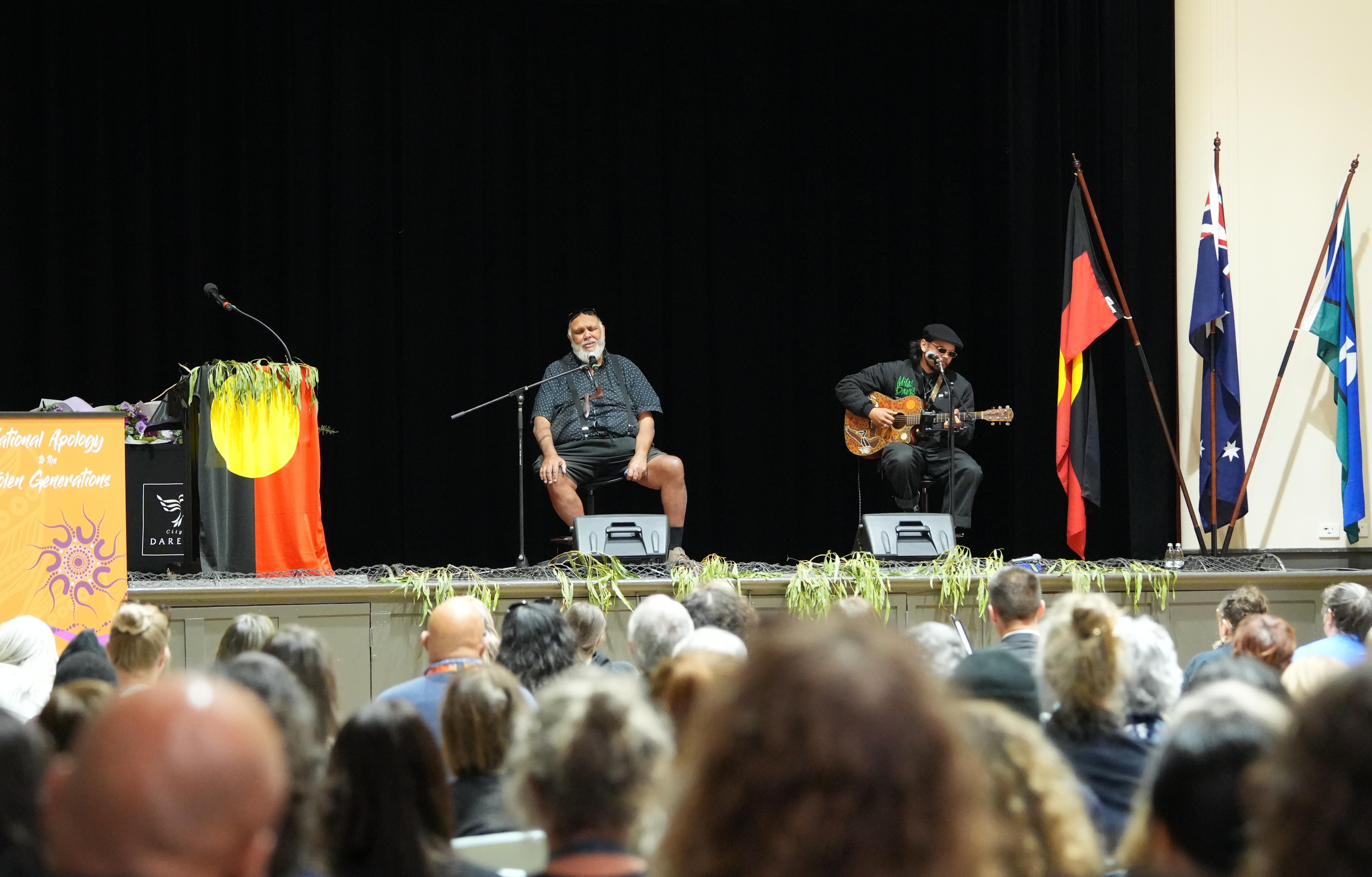
Survivor and Muthi Muthi songman Kutcha Edwards shared his personal story and spoke of intergenerational trauma during a performance.
In 2004, Kyle Vander-Kuyp's biological mother pulled out a bag of newspaper clippings she had collected of her son over his athletic career.
Vander-Kuyp, raised by a family who weren't his by birth, represented Australia at two Olympic Games, four Commonwealth games and World Championships and was a 12-time national hurdles champion over the course of his sporting career.
The majority of these successes on the track occurred before he knew who his birth parents were, and of his Worimi and Yuin identity.
A resemblance to another family member had left no doubt in his mother's mind that was the son taken from her through 'forced adoption' - as she put together her collection of Vander-Kuyp's publicity.
Vander-Kuyp told her she wouldn't need those anymore, because he was hers and right in front of her now, he told the hall on Friday.
"Days like today, It's just a chance for a lot of reflecting...coming together and celebrating that survival, celebrating that strength, your ancestry," Vander-Kuyp, who's served on the board of Connecting Home for more than a decade.
It's a journey some people are still on today, he added.
He considers himself lucky, and grateful, to have been able to connect back.
"I've got a real purpose to sort of uplift the next generation," he said.
- "Sorry means it doesn't happen again"
In wrapping speeches at Preston City Hall, Aunty Eva Jo said while days like the anniversary are important, it was crucial to remember that saying 'sorry' means you're not going to do it again.
In a release this week, another Stolen Generations support service, the Healing Foundation, wrote while the apology brought "vital recognition of the ongoing harm inflicted on the Stolen Generations - babies and children taken from their families and communities", survivors continue to be met with barriers to justice, healing and care despite the intent of "bigger, lasting changes to the lives of Stolen Generations survivors and their families" in 2008.
Last year Healing Foundation released their Are you waiting for us to die? report.
It found only five of 83 (six per cent) recommendations made in the Bringing Them Home report tabled to Parliament in 1997 have been successfully implemented.
Also on Friday, Minister for Indigenous Australians, Malarndirri McCarthy, announced a four-year, up to $87 million over funding injection for specialised services to cover family tracing and reunification, individual and collective healing programs, advocacy for trauma-informed health and aged care, improved access to survivors' records, and pathways to redress.
It came during commemoration ceremonies in the nation's captial.
While Mr Briggs might have found that which he spent so long chasing, his efforts to achieve positive outcomes continue.
He works as a team leader of cultural programs with VACCA, often at a touchpoint with child protection services.
Mr Briggs told National Indigenous Times he considers himself privileged to be at the table trying to help other kids avoid situations like those he experienced, and holding others to account.
"I'm very lucky to be able to sit at the table and really push and make sure there are no shortcuts taken, that all the information is actually gathered from our families and is captured and quoted properly," he said.
"Because when it's not, that's when kids go on journeys that I've been on. They get lost. They get disconnected.
In his job, if he's seen as overly assertive, or even aggressive, that's okay by him, he said.
"Fighting for the rights of our children and making sure no one loses connection with their family and their cultural identity, that is what's important," Mr Briggs stated.
Mr Briggs said VACCA has been his backbone for a long time.
He encouraged those on their journey to find their family and identity to keep going. To take breaks from the heartbreaking exhausting process when they need, but to not give up.



