




Aunty Elizabeth Miller says she considers herself one of the luckier ones.
Taken from her home at birth and adopted into a non-Indigenous family, she did not reconnect with her birth family until she was in her 50s.
"I can now say I am a Dhungatti woman from Kempsey, New South Wales," she told National Indigenous Times this week in Canberra.
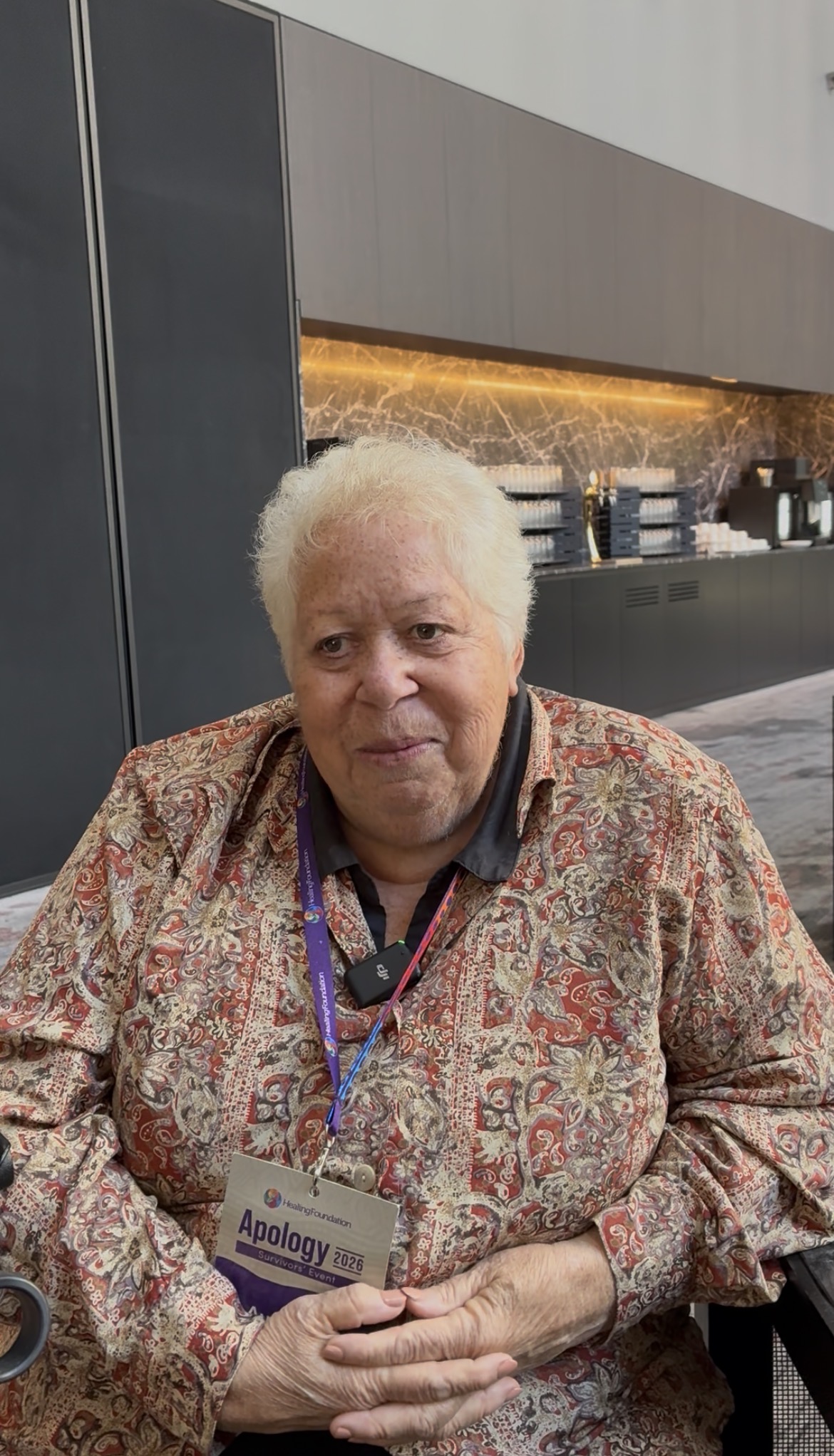
Alongside more than 100 other members of the Stolen Generations, Aunty Elizabeth travelled to the nation's capital to mark the 18th anniversary of former Prime Minister Kevin Rudd's apology — a moment widely seen at the time as pivotal in Australia's history.
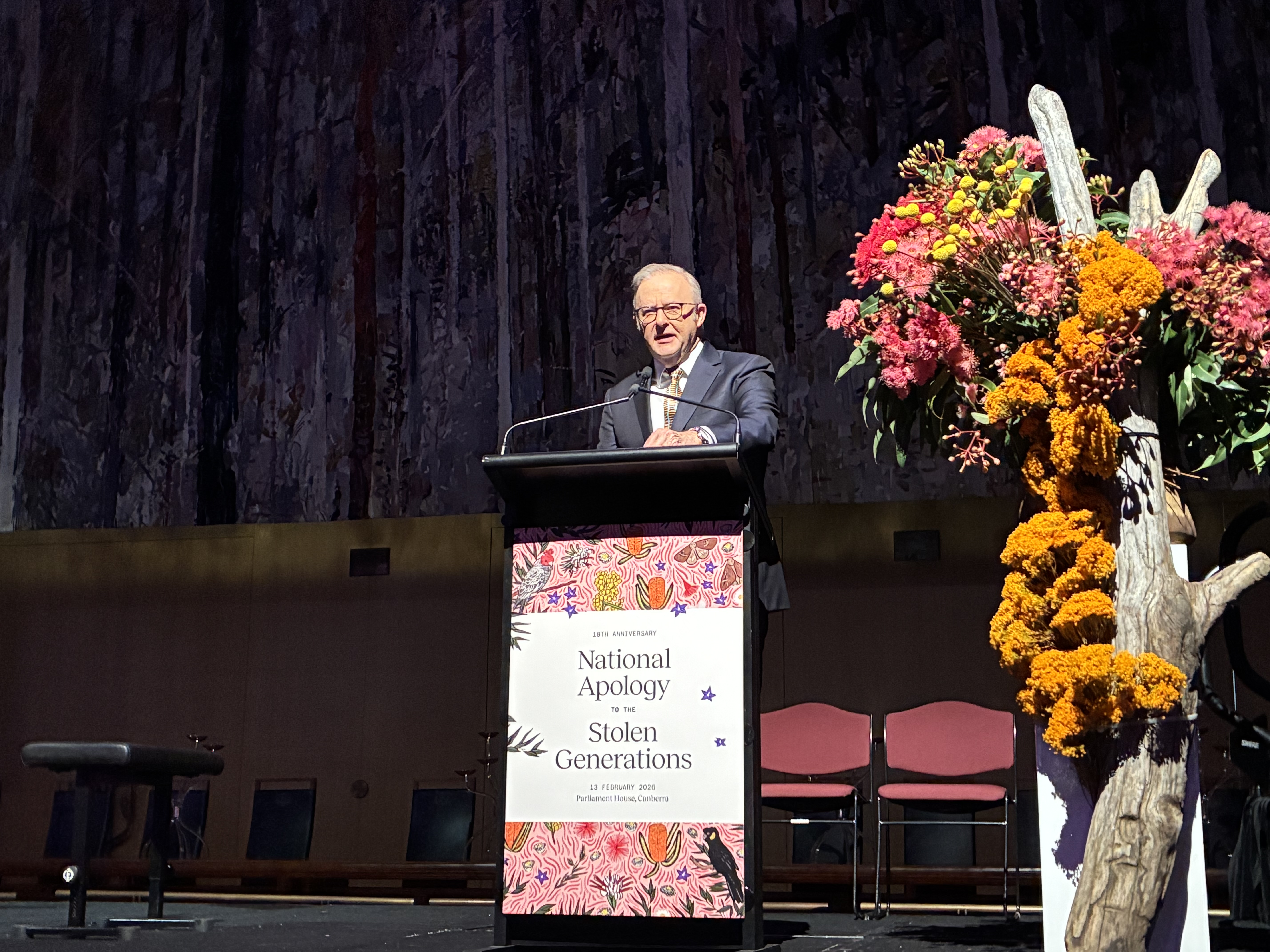
"When we look back to that extraordinary day 18 years ago, we are looking back to the fulfilment of a promise," Prime Minister Anthony Albanese told a breakfast on Friday.
Taking aim at those who had resisted the apology, Mr Albanese said, "It was long overdue, held back for too long by those — John Howard so prominent among them — who feared that saying sorry would be calamitous for our country."
"It was anything but," he noted. "Our nation came together, united in the fundamental decency that I believe remains our truest guiding light. The Apology was a moment of catharsis, and it was a moment of healing."
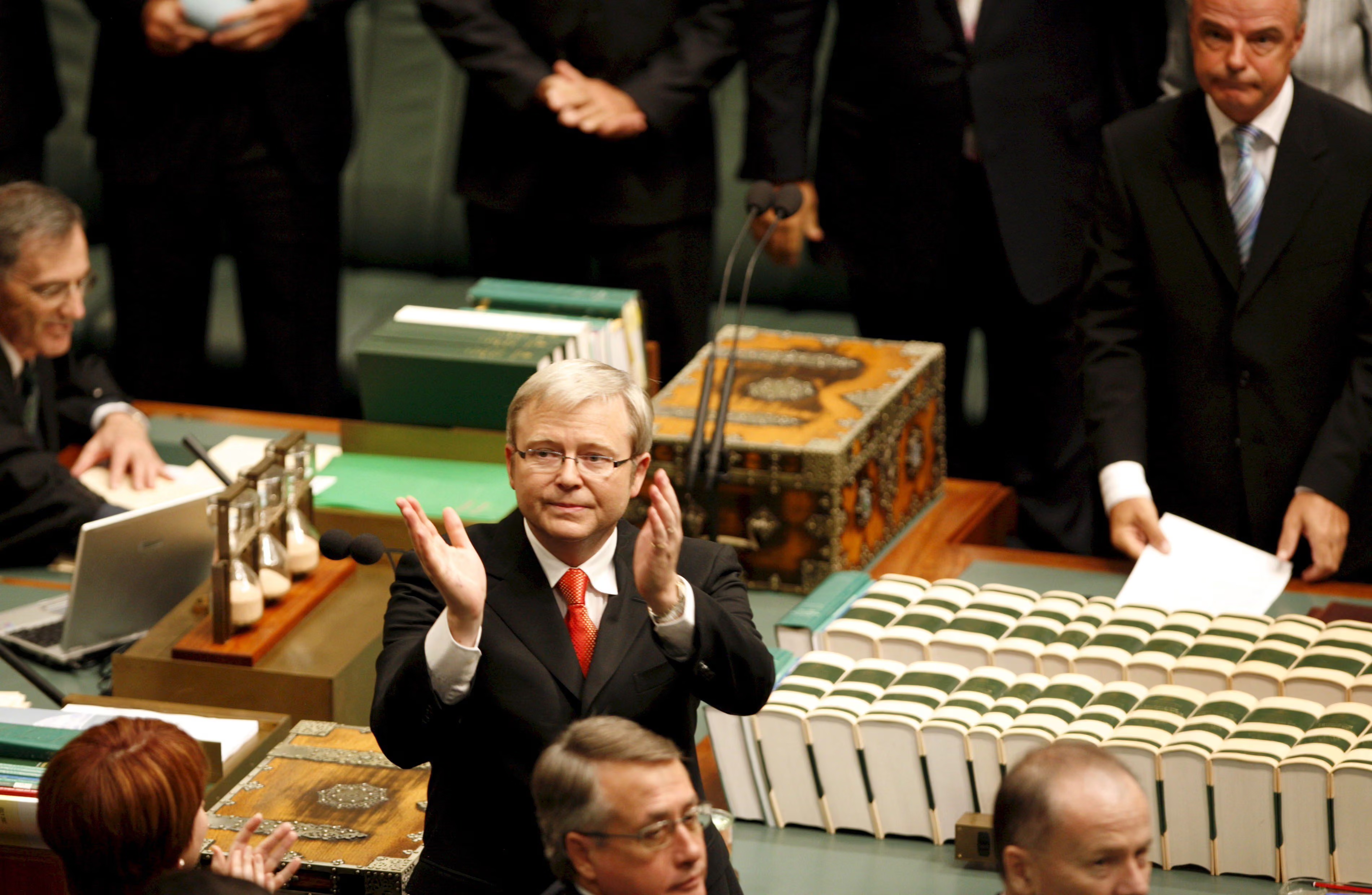
Reflecting on that day in February 2008, Aunty Elizabeth said many survivors "ended up down in front of Parliament House with all of the other people there to support Kevin Rudd with his speech.
"It was really deep and emotional for us."
After returning to work, she read a poem she had written to her CEO.
"I read a poem out and did a speech about the Stolen Generation — in front of everybody there — which is very brave of me, I thought," said Aunty Elizabeth. "But, by seeing the apology, it gave me the adrenaline to go back and talk about it."
At Friday's breakfast, Ngunnawal Elder Aunty Violet Sheridan said the nation paused 18 years ago, "if only briefly".
"And spoke words that should have been spoken long before," she told the crowd.
Speaking about the continued removal of children, Aunty Violet said: "Trauma [was] passed down when love should have flown.
"First Nations children are still being taken from their families at shocking and alarming rates," she added. "We cannot say 'never again' when we continue the same pattern under different names."
The landmark Bringing Them Home report will mark its 30th anniversary in 2027. The Healing Foundation, which provides support and advocacy for survivors and hosted those gathered in Canberra this week, says more action is needed.
Mick Dodson co-chaired the National Inquiry into the Separation of Aboriginal and Torres Strait Islander Children from Their Families, which led to the Bringing Them Home report.
His daughter, Healing Foundation CEO Shannon Dodson, told National Indigenous Times that only six per cent of the recommendations have been implemented. Nearly 30 years on, "its not good enough," she says.
"Many survivors here are telling us they are aging, they've already lost brothers and sisters, and that is not okay [that] we haven't seen that justice and healing," Ms Dodson said.
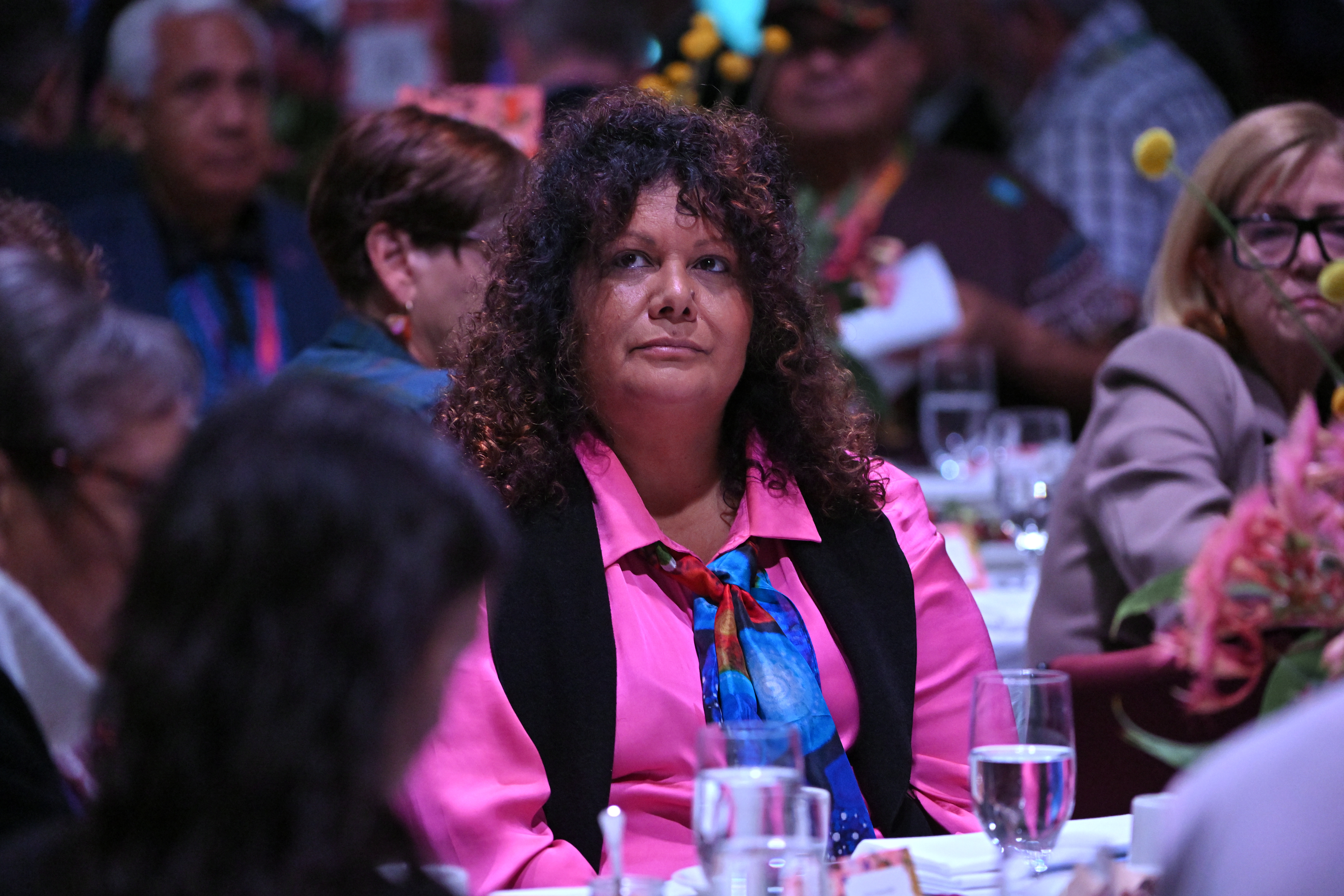
On Friday morning, the Minister for Indigenous Australians, Malarndirri McCarthy, announced up to $87 million over four years for specialised support services.
The funding will cover family tracing and reunification, individual and collective healing programs, advocacy for trauma-informed health and aged care, improved access to survivors' records, and pathways to redress.
"Past government policies caused immeasurable harm to Stolen Generations survivors and their families," the Minister said, arguing the federal government "recognises the strength of Stolen Generations survivors" as well as the need to offer meaningful support to them and their families.
"Sadly, for many of our people, the distress and hurt continues today. This is why understanding and supporting the needs of the Stolen Generations is so important."
In response, Chair Steve Larkin said survivors need "clear information about how funding has been designed to address the ageing needs of survivors, improve access to records, ensure equitable redress, and safeguard the future of Stolen Generations organisations and Link-Ups".
"We need a coordinated, accountable national approach to the reforms survivors have been asking for, again and again, for nearly three decades."
Mr Larkin said meaningful change requires a visible national policy, stronger data systems and accountability frameworks, in line with the Closing the Gap agreement.
"Survivors deserve affordable aged care that doesn't trigger trauma. They must not be penalised with higher aged care costs simply because they have received redress payments for their past mistreatment," he added.
For Aunty Elizabeth, travelling to Canberra this week has been about connection with other survivors.
"It really helps me understand and be able to communicate how I feel with people I didn't know or grow up with," she said.
"Because I didn't grow up in the communities, like most of them [survivors] did. It's brought me through, and I can now say I am a strong Dhungatti woman."



