


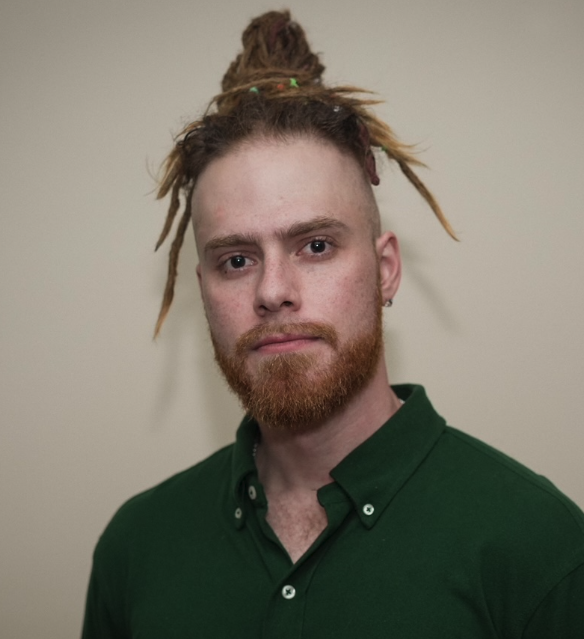

TAFE Queensland educator Doe Ahmat has been named a finalist in the 2026 Queensland Training Awards for her work supporting Aboriginal and Torres Strait Islander learners across Far North Queensland.
Ms Ahmat is a finalist for VET Teacher or Trainer of the Year in the awards' Tropical North Region.
She works with learners across Cairns, Yarrabah, Bamaga and Thursday Island, helping them develop skills and confidence before moving into employment, business or further study.
Ms Ahmat has Saibai heritage through her mother and connections to the Ait Koedal, or crocodile clan, and Umay, or dog clan.
She believes vocational training should be linked to learners' lives and future opportunities.
"For me, training has to feel real and purposeful," Ms Ahmat said.
"Learners shouldn't have to choose between culturally safe delivery and high-quality training.
"You can - and should - have both."
Her approach is used across several programs, including the Certificate III in Business delivered through the Yarrabah Digital Service Centre.
The training was part of a community-owned employment initiative aimed at creating local digital service jobs.
Students developed workplace skills while remaining connected to their community.
The program focused on linking training with employment opportunities available to learners.
"It wasn't about teaching business in isolation," Ms Ahmat said.
"It was about helping learners build confidence and professional skills in a way that connected directly to real jobs and opportunities around them."
Ms Ahmat also develops schedules, learner-focused delivery plans and practical teaching tools to improve access and continuity.
The resources are designed to reduce confusion in regional and remote locations where technology or limited access can disrupt learning.
She works to resolve access issues before they prevent students from completing tasks or demonstrating their knowledge.
"If access becomes a barrier, then part of my role is finding a solution," she said.
"Learners can't demonstrate what they know if they can't get through the front door of a task."
Ms Ahmat is also known for identifying when students need support before they ask for help.
Her work focuses on building trust and checking on learners early when they appear overwhelmed or uncertain.
"You can usually tell when someone's becoming overwhelmed or unsure," she said.
"A lot of learners won't necessarily put their hand up for help straight away, so building trust and checking in early makes a huge difference."
Her commitment to vocational education comes partly from seeing opportunities denied to previous generations, including her mother.
Ms Ahmat said those experiences continued to drive her efforts to create pathways for Aboriginal and Torres Strait Islander learners.
"That stays with me," she said.
"It's a big reason why I care so much about creating pathways where our people can build skills, confidence and choices for themselves."
The dedicated educator also shares planning tools, culturally responsive teaching approaches and digital delivery strategies with other TAFE Queensland educators.
She believes improvements developed in one classroom should be used to strengthen teaching across the organisation.
"Good teaching shouldn't stay in one classroom," Ms Ahmat said.
"If you find a better way to explain something or make learning more accessible, that should strengthen the whole team."
For Ms Ahmat, vocational education is about creating opportunities that continue beyond the completion of a qualification.
"If we do this work properly, training creates confidence, independence and opportunities that last long after the course finishes," Ms Ahmat said.
"That's what makes it meaningful."
More information is available through the TAFE Qld website.



