



Australia's growing invasive species crisis will be taken to the world stage at the United Nations climate summit in Turkey this week, with a young First Nations leader calling for greater international recognition of the threat invasive species pose to wildlife, climate resilience and Indigenous peoples' ability to care for Country.
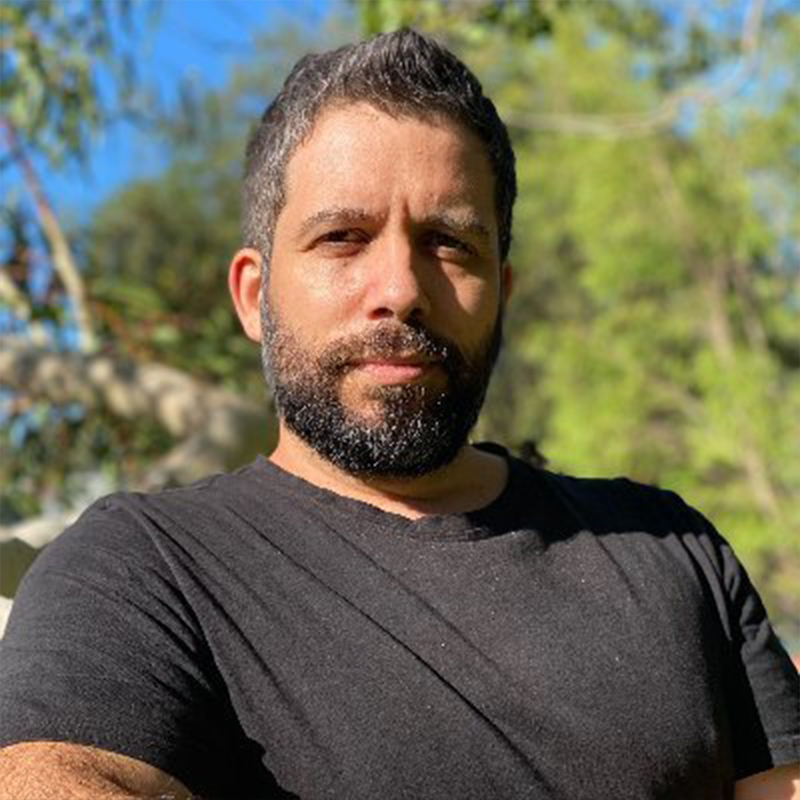
Kalkadoon woman and Invasive Species Council Voice of Country Lead Taigen Ryan will travel to Antalya for COP31 as part of a delegation of First Nations women to highlight how invasive species are compounding the impacts of climate change across Australia, threatening native wildlife, transforming landscapes and making it increasingly difficult for First Nations peoples to protect their Country.
She will also highlight how tackling invasive species is one of the most practical and immediate ways to strengthen climate resilience, protect wildlife and support First Nations peoples to care for Country.
'We cannot ignore the invasive species'
"When we talk about climate change, we often focus on rising temperatures and extreme weather, but we cannot ignore the invasive species that are making these threats even worse," Ms Ryan said.
"Across Australia, we're seeing introduced plants and animals fundamentally change our landscapes, push native wildlife towards extinction and make it harder for First Nations peoples to care for Country.
"Buffel grass is a powerful example. It's spreading across Country, fuelling destructive fires in places that have never experienced fire like this before, and threatening plants, history, animals and cultural sites that have been cared for over thousands of years."
'Our connection to Country is central to our culture'
Ms Ryan said First Nations communities across Australia are seeing invasive species damage Country in different ways; from feral pigs destroying sacred waterways and feral cats killing culturally significant totem species, to horses and deer damaging fragile alpine landscapes.
"In Queensland's Burnett Mary region, invasive tilapia are disturbing sediment, degrading water quality and contributing to warmer waterways. These threats are making it harder for First Nations peoples to protect the wildlife, landscapes and cultural places they have cared for over thousands of years," she said.
"For First Nations peoples, this isn't just about protecting the environment. Our connection to Country is central to our culture, identity and responsibilities to future generations. When Country is damaged, those impacts run much deeper.
"We cannot have a serious global conversation about protecting nature and responding to climate change without talking about invasive species. And we cannot find lasting solutions without First Nations knowledge and leadership at the centre of those conversations."
'We have one of the world's worst records of mammal extinctions'
Ms Ryan noted that "Australia has some of the most extraordinary wildlife on Earth, but we also have one of the world's worst records of mammal extinctions".
"Invasive species have been a major driver of those losses, and the interplay between invasives and climate change is only increasing the pressure," she said.
"The encouraging thing is that unlike many of the challenges we face with climate change, we already have practical tools to prevent, contain and control invasive species. What's missing is the political will and sustained investment to act at the scale that's needed.
"I'm taking this message to COP31 because protecting Country and tackling invasive species must be part of the global response to climate change. We have an opportunity to learn from each other, strengthen international cooperation and make sure First Nations voices are helping shape the solutions."



