


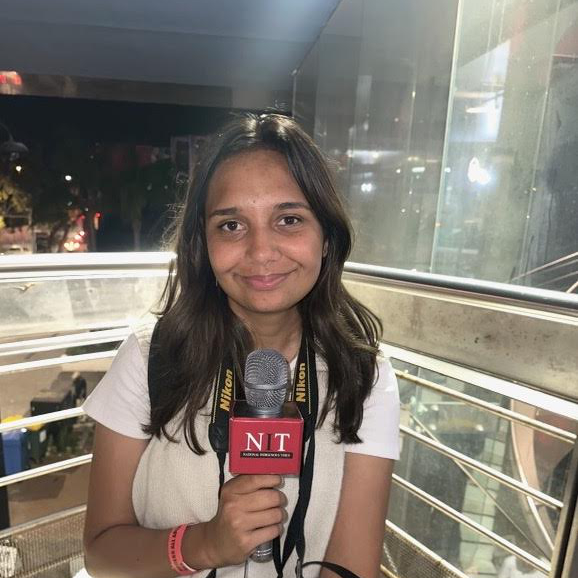

Vicki Van Hout's cousin always teased her about turning every moment into a stage show—and it turns out, they were right.
Ms Van Hout began her journey in acting by taking lessons from a woman named Pam Dunn in Wollongong. After completing her high school education, she enrolled in NAISDA, where she used monologues from an unsuccessful audition for NIDA to satisfy the performance requirement for the NAISDA audition.
Ernie Dingo, a member of the panel, invited her to participate in the inaugural Black Playwrights Conference at ANU in 1986.
"Before I knew it I was rubbing shoulders with the likes of Oodgeroo Noolnuccal, Justine Saunders, Rhoda Roberts and Bob Maza," said Ms Van Hout.
"But my heart was firmly wedded to dance the minute I set foot in the old run down church that was the long time home of the Aboriginal Islander dance school."
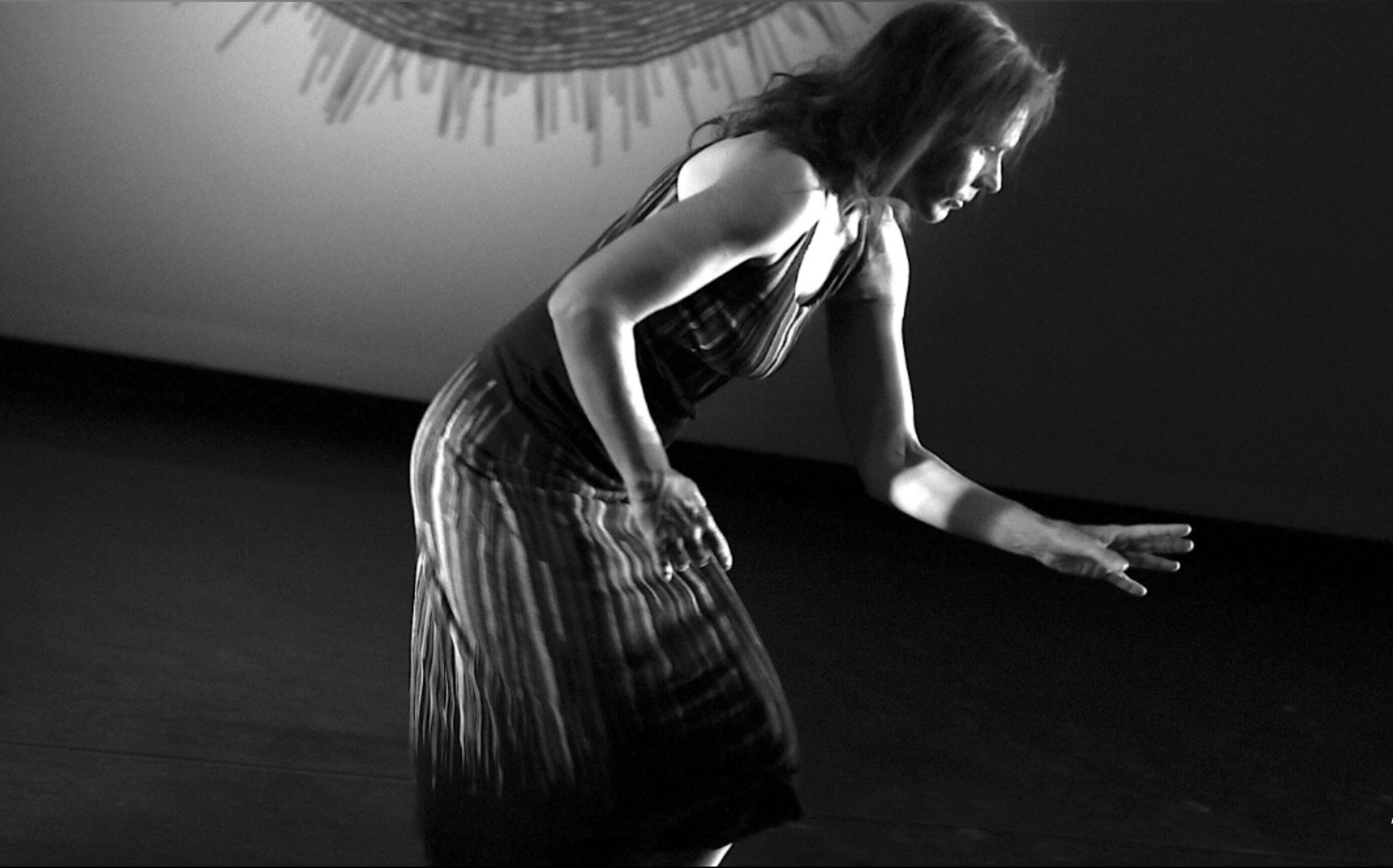
A punk at heart, Ms Van Hout channels her can-do attitude into her interdisciplinary artistic practice. Although she has evolved beyond acting, she remains passionate about scriptwriting.
Facing financial constraints as an independent artist, she skillfully juggles creating her own props, costumes, and music, demonstrating her resourcefulness and dedication.
"That's the thing with us mob, we' ve always been about taking part in it all," said Ms Van Hout.
Now, she's channelling everything she knows from the creative world into her new dance workshop through FORM Dance Projects' annual festival, Dance Festival IDEA - Independent Dance Exchange.
For six days, Ms Van Hout will teach a workshop for both First Nations and Non-Indigenous dancers in Sydney, incorporating storytelling, song cycling, and craft-making skills.
Drawing on her knowledge of kinship practices—such as reciprocity and mapping and tracking country—she will illustrate how these concepts become tools for generating new movement vocabularies.
"On the physical side of things, I want people to feel what it is to move like a Blackfella, to embrace the crouched body, a sickled foot, and possibly a deadly serious gaze," she said.
"I want the participants to play with the dynamics emulating hunting and gathering. Most of all I want the workshops to highlight the sophistication of Aboriginal and Torres Strait Islander dance expression."
When incorporating the concept of reciprocity into her workshops, Ms Van Hout begins by asking and making a list of what participants hold and bear. From there, she explores how to embody the examples offered.
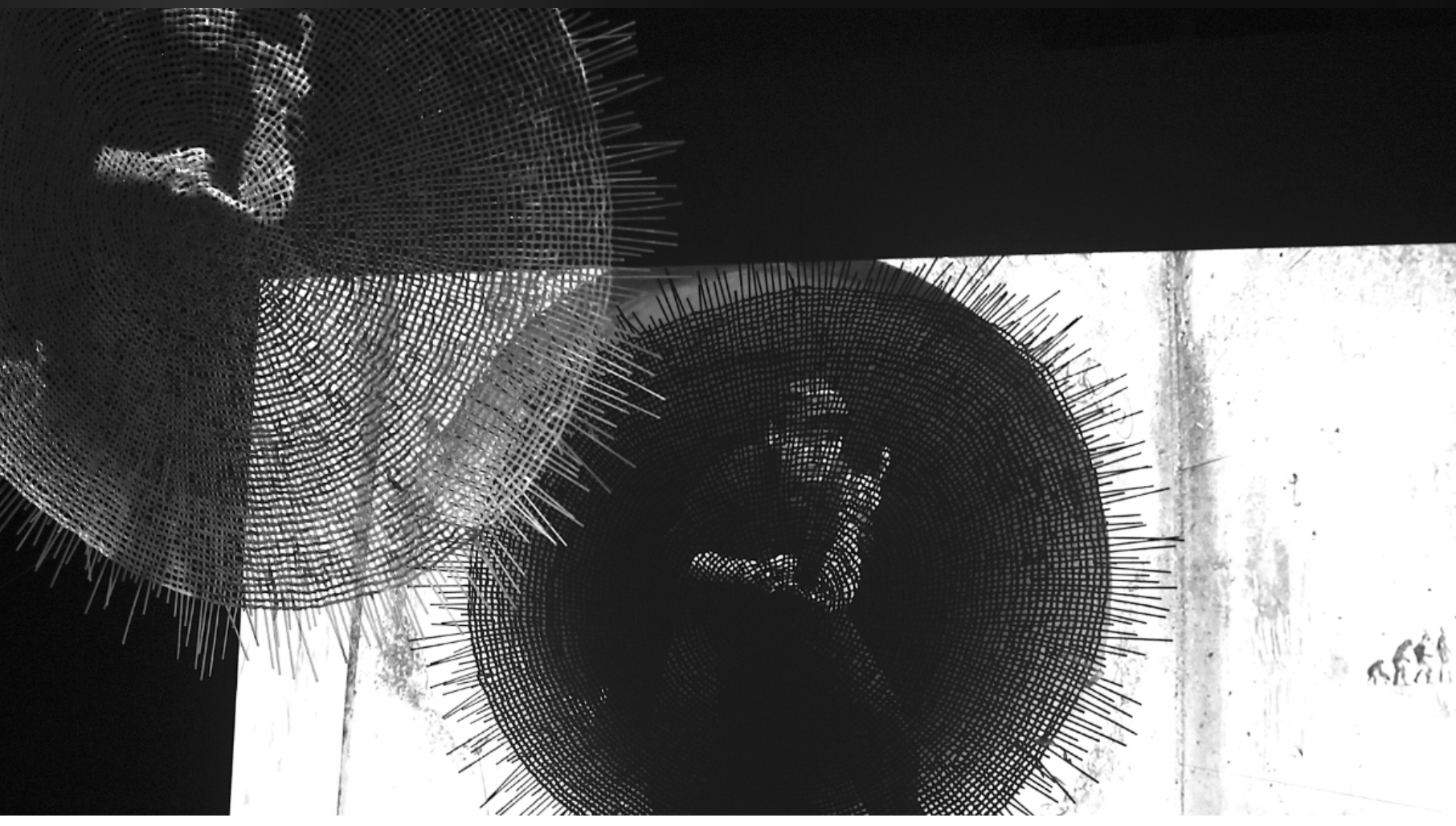
Ms Van Hout chose to open her workshop to both Indigenous and non-Indigenous dancers because, in an ideal world, she envisions Australian Indigenous dances—both 'traditional' and contemporary—becoming more accessible
"Take hip hop for instance. We know it has strong African and African American roots but now it is embraced by the world. It's even an Olympic sport. Well the breakdancing arm of hip hop cultural dance anyway. Well I see big things for our dances too," she said.
The workshop is rooted in Ms Van Hout's first work, Wiradjourni, which explored the application of Aboriginal kinship in everyday Australian life.
"Take footy [ NRL], they are identified through animal totems and their are strict rules related to who you can barrick for, for instance, a Rabbitoes fan certainly couldn't make the Roosters their second favourite team. It's too close," she said.
"Not that I wanted to trivialise Aboriginal kinship. My ethos for making work grew from there. I am now all about looking for opportunities to introduce my ancestors knowledge and practices as choreographic impetus."
Ms Van Hout's extensive career spans decades, marked by achievements like becoming the first Australian Indigenous dancer to graduate from the Martha Graham School of Contemporary Dance in New York City.
"I have been a performer for a while now, about 30 yrs all up and my love for dance is still as strong as it ever was," she said.
"As much as I dedicated my career to being the best at my craft as I could, I now have a responsibility to be the best advocate for my mob."



