


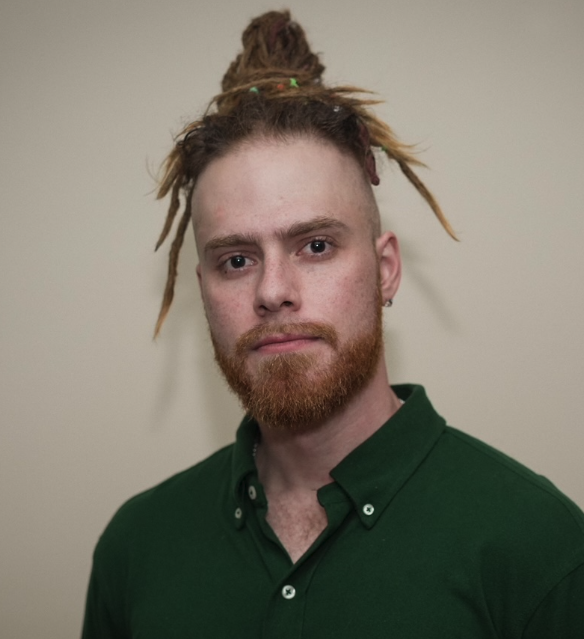

Following the unsuccessful Voice to Parliament referendum, James Cook University academic Andrew Amos emphasises the importance of championing new Indigenous voices.
Dr Amos has stressed the need for representative First Nations' voices to address challenging topics, including discussions on reporting and preventing family violence in remote communities.
As the Chair of the Queensland Section of Rural Psychiatry for the RANZ College of Psychiatrists, Dr Amos, contributed to the discourse with a recent article in the College's journal, Australian Psychiatry.
"There are many gaps between First Nations' and other Australians' health and wellbeing, widening with remoteness. First Nations Australians report health care access requires communication and trust to overcome barriers of distance and logistics," he said.
Dr Amos noted that government research confirms higher family violence rates in more remote areas and that more work needs to be done to tackle the problem.
"Contributing factors include social/geographic isolation, stigma/shame, and the lack of privacy when all community members have personal relationships with local police and health professionals," he said.
Dr Amos suggests the effectiveness of alternatives to the Voice should be gauged by their ability to address challenging issues, including the impact of cultural factors on the health and mental well-being of women and children in remote communities
"The suggestion that the health and mental health of First Nations' women and children in rural and remote communities is affected by cultural factors is difficult to discuss," said Dr Amos.
"However, any process likely to improve the mental health and wellbeing of all First Nations' people must be able to handle this type of discussion."



