


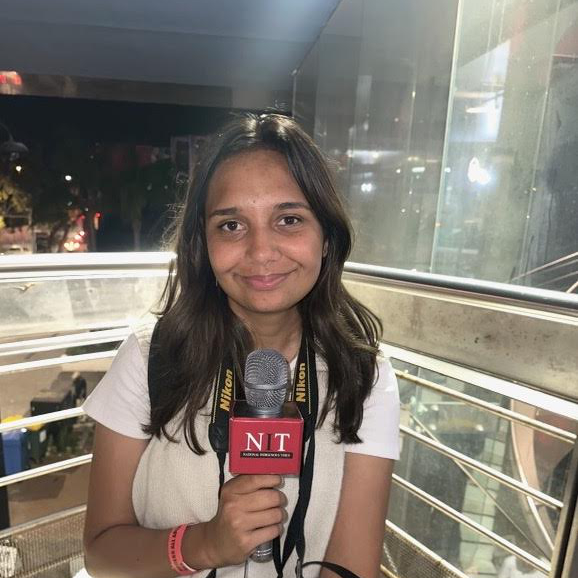

An arts program in Victoria is making a big impact on recidivism rates among First Nations inmates.
The Torch project has been providing art, cultural and arts industry support to Indigenous people in the criminal justice system since 2011.
Set within the context of the Victorian Aboriginal Justice Agreement, its focus is on the role of culture and cultural identity in the rehabilitative process of Indigenous prisoners.
With the success of the Indigenous Art in Prisons and Community program many participants confirm that being part of the program has helped them stay out of the justice system, with only 11 per cent returning to prison compared to the average Indigenous recidivism rate in Victoria of 53.4 per cent.
The Torch chief executive Kent Morris said program was "built upon the foundation of Indigenous knowledge, philosophies and support processes that have been developed, taught and embraced for generations".
"It shows that Indigenous led and delivered solutions to some of the ongoing issues caused by systemic over incarceration can be addressed successfully if driven by the Indigenous community," he said.
Those who participate in the program can carry the knowledge and experience they gained into the program's design and delivery, with employment opportunities for men and women from the program to work on all aspects.
Former participants in the program continue to inspire and shape the program via their voices and experiences which are deeply listened to and respected.
The Torch now employs 23 permanent staff, 13 are First Nations men and women - six of whom have transitioned through the in-prison and in-community programs to now work at The Torch.
"During my first week at The Torch in mid 2011, I spoke to a group of Indigenous men at Loddon Prison," said Mr Morris
"After sharing my story and what I had been employed to do, I asked the men what type of support they would want from the program.
"After an extended silence, Uncle Ron asked, "Can you tell me my totem?" After that, the responses came thick and fast: 'What are our creation stories?' 'Can you find photos of my grandparents?' 'I want to learn the history of my people and learn my language.' 'How can we participate in the Indigenous arts industry and build financial stability for ourselves and our families?'."
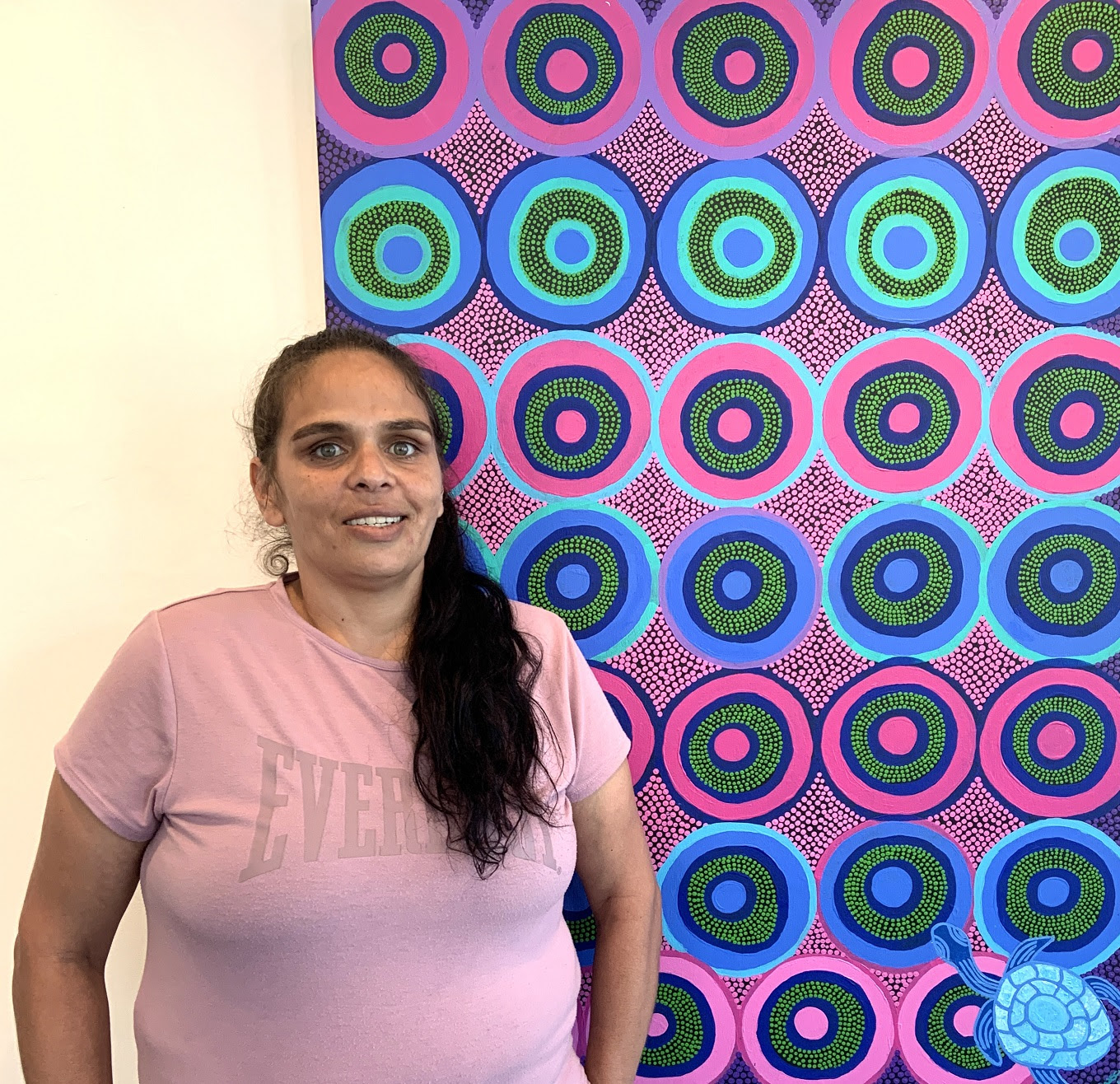
The program's annual exhibition of artworks from Indigenous artists currently in or recently released from prisons in Victoria, 'Confined' opened last Friday.
Now in its 14th year the exhibition, which coincides with National Reconciliation Week, it is on display at the Glen Eira Town Hall Gallery until 4 June, with a record 473 artworks from 402 artists from across Victoria, the collection of works as a strong visual metaphor for the continuing over-representation of Indigenous Australians in the criminal justice system.
100 per cent of the sale price goes directly to the artist.
232 in-prison artists and 170 in-community artists are represented in Confined 14, many at different stages of their practice.
"We are thrilled to share that the start of Confined 14 has been great, we have sold 157 artworks totalling $110, 000 and representing 35% of the exhibition," said Mr Morris
"As well as 10 works from the In the Torchlight totalling $14,000 and representing 55% of the satellite exhibition.
"Supporting DPFC to purchase a collection of female works for the Aboriginal Healing Unit and VACCA Morwell selecting a collection of South-Eastern style artworks for their offices.
"Were among the wonderful moments of the first few days of sales. 15 artists have made their first ever sale, and 42 more are still looking to do so."
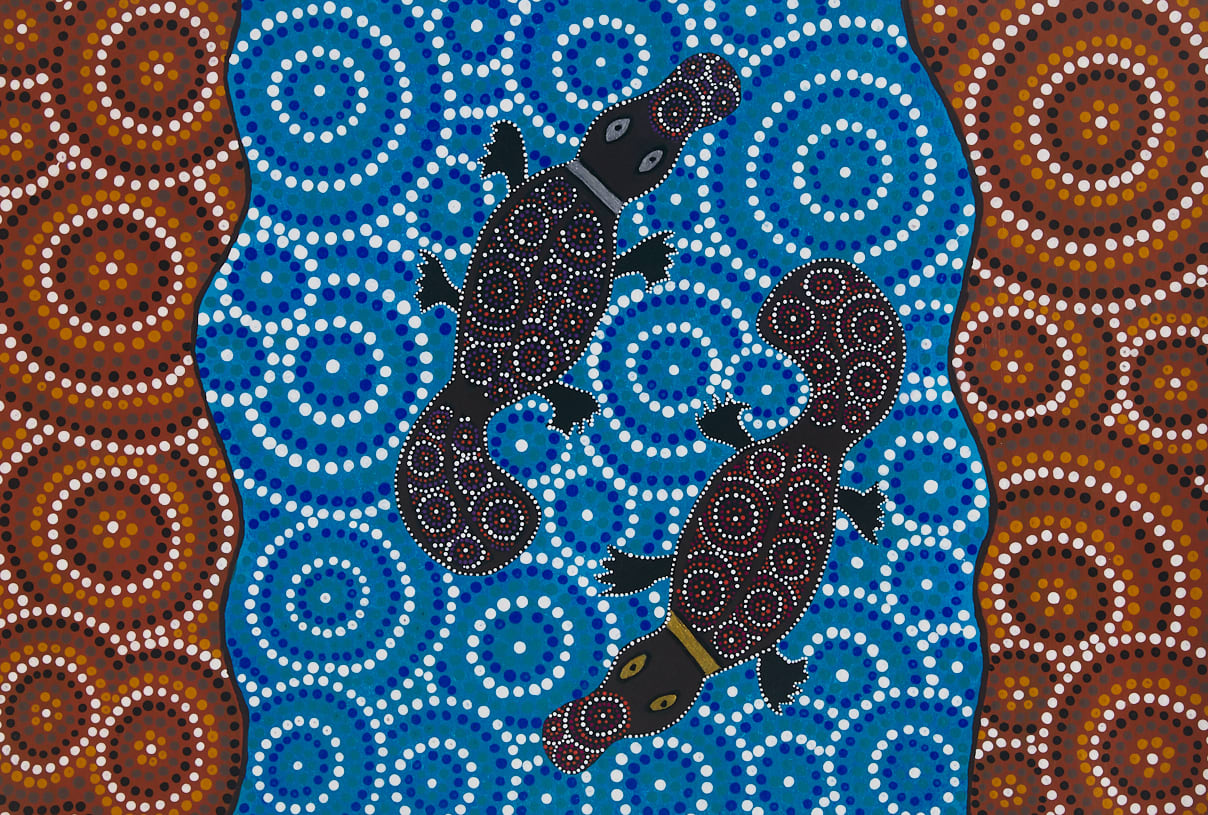
Watjarang, by Matthew S, Yorta Yorta people. Image: TheTorch.org.au.
There are an extraordinary range of paintings, 410 in total and 63 three-dimensional works across different mediums, including hand-woven rugs and baskets, carved emu eggs.
As well as a terracotta wombat and a range of ceramics including Sean Miller's work 'Galibaay on Country' that was shortlisted for the 2022 Indigenous Ceramic Award (and won South-East Australian Aboriginal Artist Prize of $5,000).
Hand-carved wooden sculptures from native cyprus and silk scarves dyed from natural materials found in Gariwerd are also in the wide range of art.
For the first time, The Torch is presenting a satellite exhibition in Gallery 2 called in the Torchlight, which this year gives additional space and an expanded voice to In-Community women artists.
Who are pursuing their cultural practice post-release. Set to become an annual event, this year's presentation features bodies of work by Heather Shawe, Melissa Bell, Sonia Singh, Veronica Hudson and Thelma Beeton.
"Making art makes me feel connected to my land, to be an Aboriginal female artist," said Gunditjmara/Yorta Yorta people artist Ms Bell.
"Just to put down a beautiful picture from my Country – knowing I can put that down on a canvas and express my Country to other people is amazing."
All artworks are available for purchase from the gallery and online, for participants, the creation and sale of their artworks is part of the rehabilitation process.
That helps build confidence, social capital, economic stability and pathways to reconnect with the community.
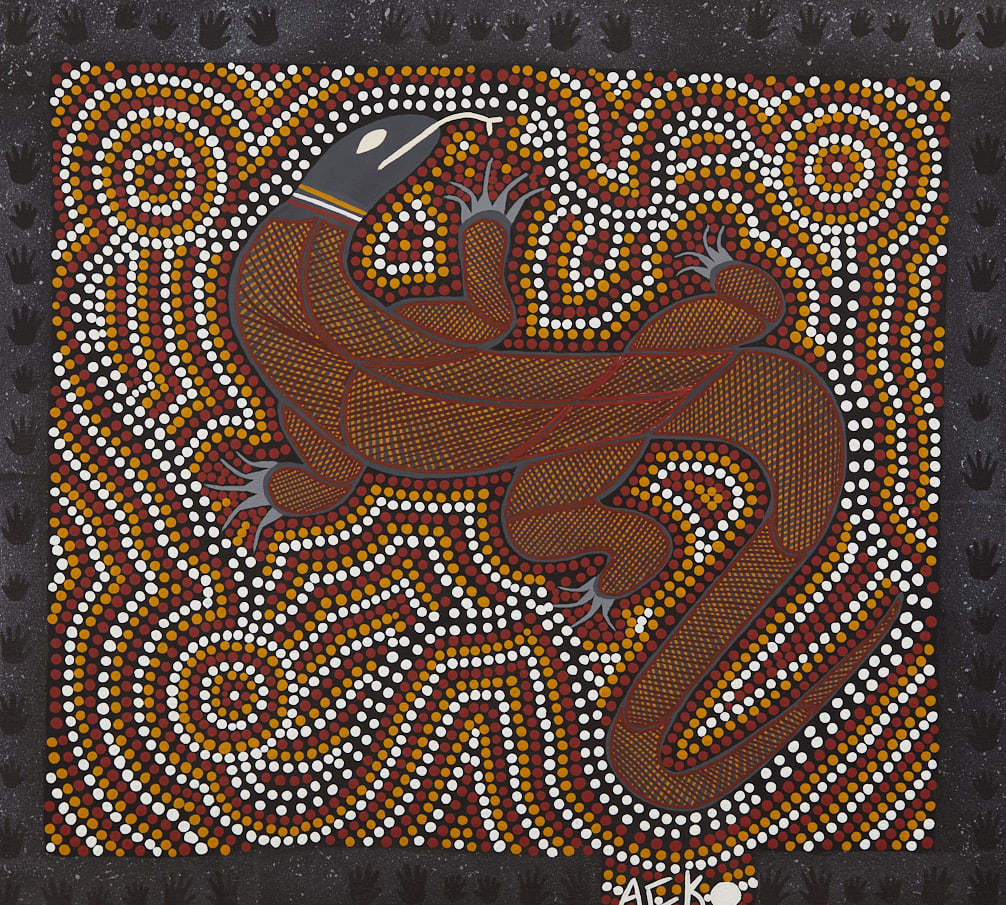
Yorta Yorta Goanna Dreaming, by Acko, Yorta Yorta people. Image: TheTorch.org.au



