


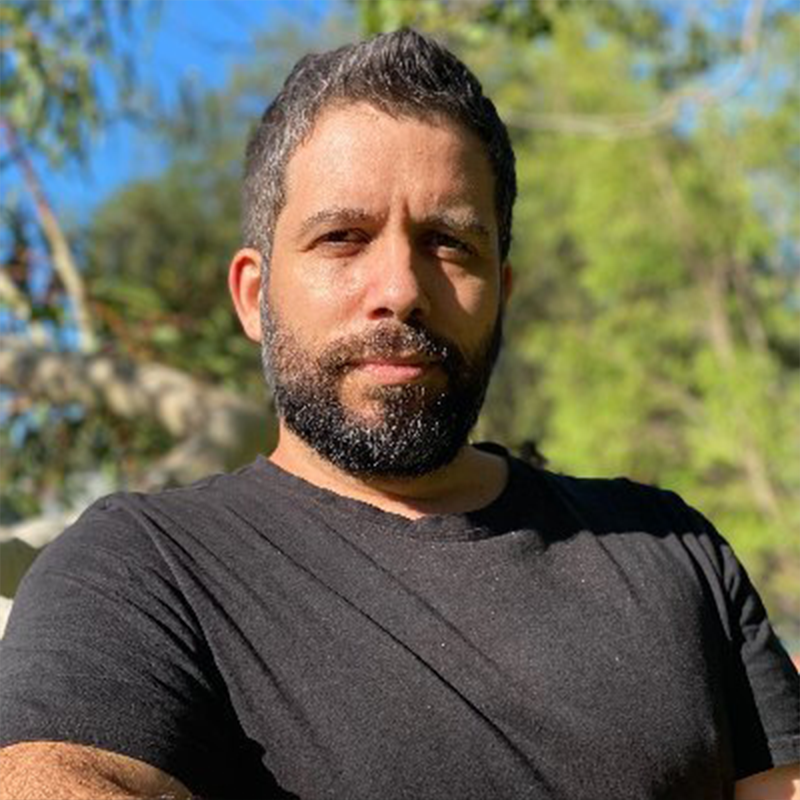

The Western Yalanji People secure native title recognition on Friday over 170,827 hectares of their traditional Country, bringing the Cape York United #1 claim to 91 per cent completion through consent determinations.
The Federal Court determination will be delivered by the Honourable Chief Justice Debra Mortimer at the Cairns Convention Centre at 9.30am following formal opening proceedings from 9.15am.
It is the 34th determination made under the Cape York United #1 (CYU#1) claim, one of the largest and most ambitious native title claims undertaken in Australia.
Together, the Eastern Kuku Yalanji determination made Wednesday and the Western Yalanji determination, proposed to be made Friday, covers more than 388,712 hectares. These determinations bring native title recognition over Cape York closer to the finish line, and the Cape York United #1 Claim at 91 per cent completion.
Cape York Land Council Acting Chief Executive Officer Richie Ah Mat said Friday's determination would recognise that, despite dispossession and generations of exclusion from their lands, Western Yalanji people have maintained their connection, rights and responsibilities to Country under their traditional laws and customs.
"Tomorrow, the Federal Court will formally recognise their native title rights and interests in Australian law," he said.
After 23 successful determinations over 20 years (and dating back to 1997) had resolved about 45 per cent of Cape York, the Cape York United #1 Claim was filed on 11 December 2014 to resolve the remaining land capable of receiving native title recognition.
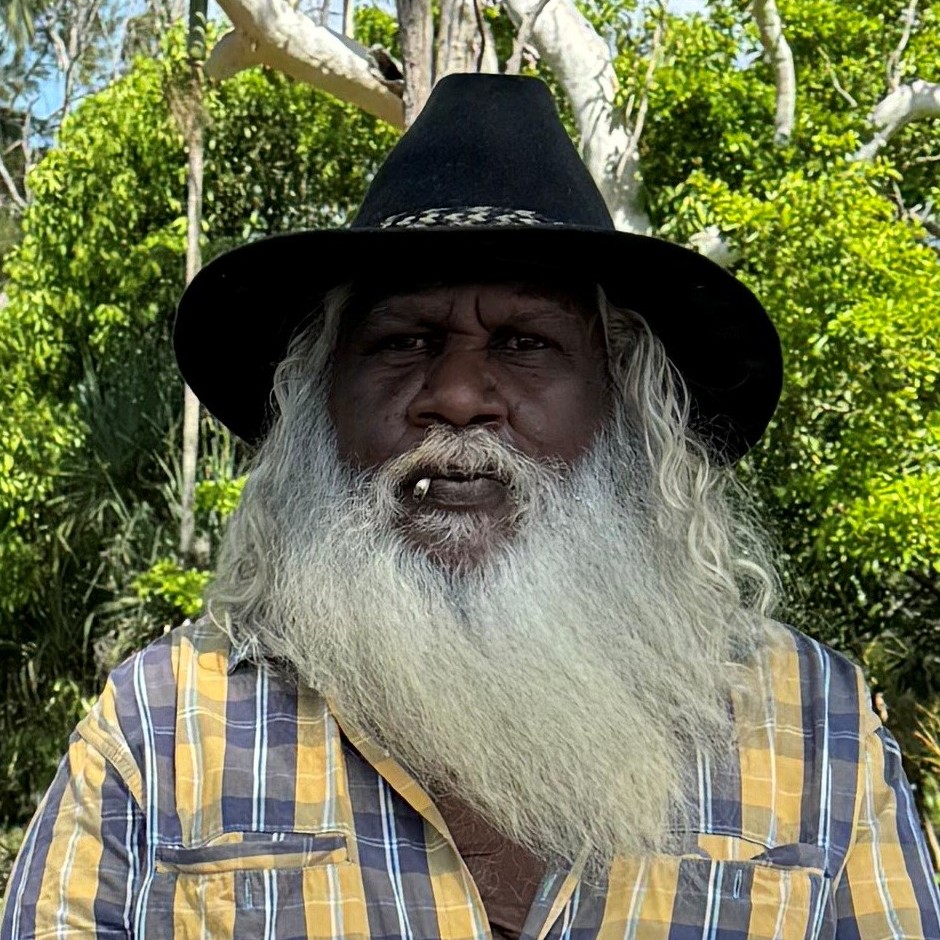
Cape York Land Council Chair Clara Day said the Cape York United #1 Claim "aimed to achieve in five years what had taken 20".
"It has taken more than 10 years, but we are now at the finish line," she said.
"The families of Cape York have fulfilled the vision of Cape York Elders and family leaders who came together at Lockhart River in 1990 to establish the Cape York Land Council and begin the long work of securing the return and recognition of their lands.
"Today's determination is a tribute to those Elders. They wanted their children and grandchildren to have the security of knowing where they belong, the authority to speak for their Country, and the opportunity to protect it and build a future on it."
The Western Yalanji determination was reached by agreement with the State of Queensland, the Commonwealth, Cook Shire Council, pastoralists, mining interests and telecommunications providers.
For Western Yalanji Elder Cedric Gore, the determination means certainty that Western Yalanji families will always have a place on their Country.
"Now that we have Native Title recognition, we know that wherever we go, there will always be a place for us," Mr Gore said.
"When I go out on Country, I feel good. I'm excited for the celebration and the dancing. It's a big celebration after a long time."
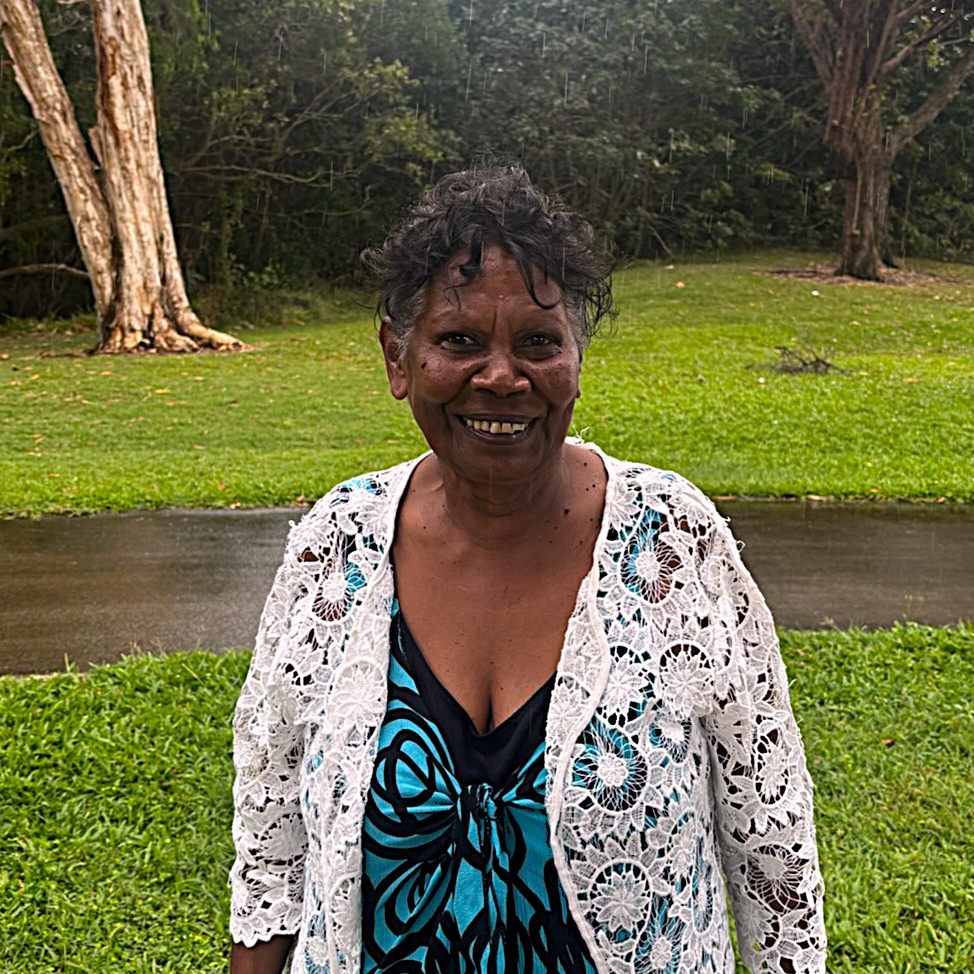
Western Yalanji Elder Rose Snider said the determination was about returning to Country with family and passing knowledge to children.
"It means having ownership of where we belong," she said.
"The good part is it's time to go back to Country with family and give my knowledge to the kids, how to hunt and fish, and sharing those things with our neighbours. To go back home."
Western Yalanji Traditional Owner Bruce Meldrum said the determination would strengthen the community's ability to care for Country, sacred places and waterways.
"With this recognition of our Country, we get more say over what happens," he said.
"It means we can protect Country and our waterways more. Water is sacred to us, we use it as part of the healing process, to hunt and to fish."
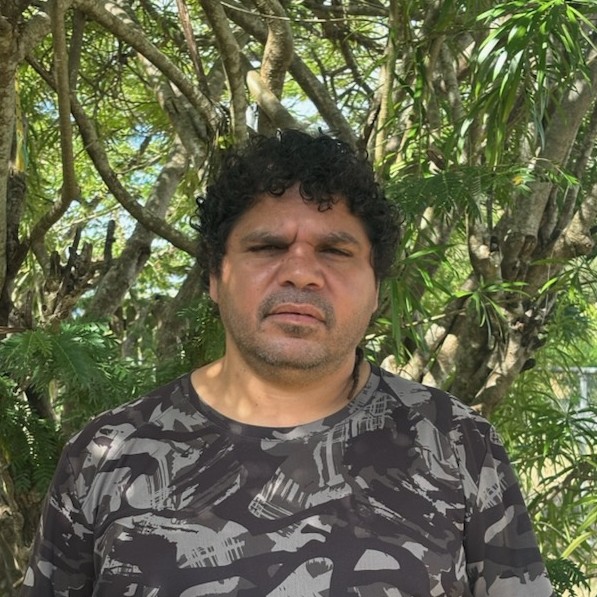
Western Yalanji Traditional Owner Susan Baru said she was looking forward to taking younger generations back to the places where she learned from her own Elders.
"I'd love to get that land back for the young generation, get them out there and working on Country," Ms Baru said.
The determination recognises exclusive native title over some areas and non-exclusive native title across most of the determination area. These non-exclusive rights include access to Country, camping, hunting, fishing, gathering natural resources, protecting significant places and conducting ceremony, alongside existing pastoral, mining and other legal interests.
The Western Yalanji Aboriginal Corporation RNTBC will continue as the Prescribed Body Corporate for the determination area, managing native title rights and interests on behalf of Western Yalanji People.



