


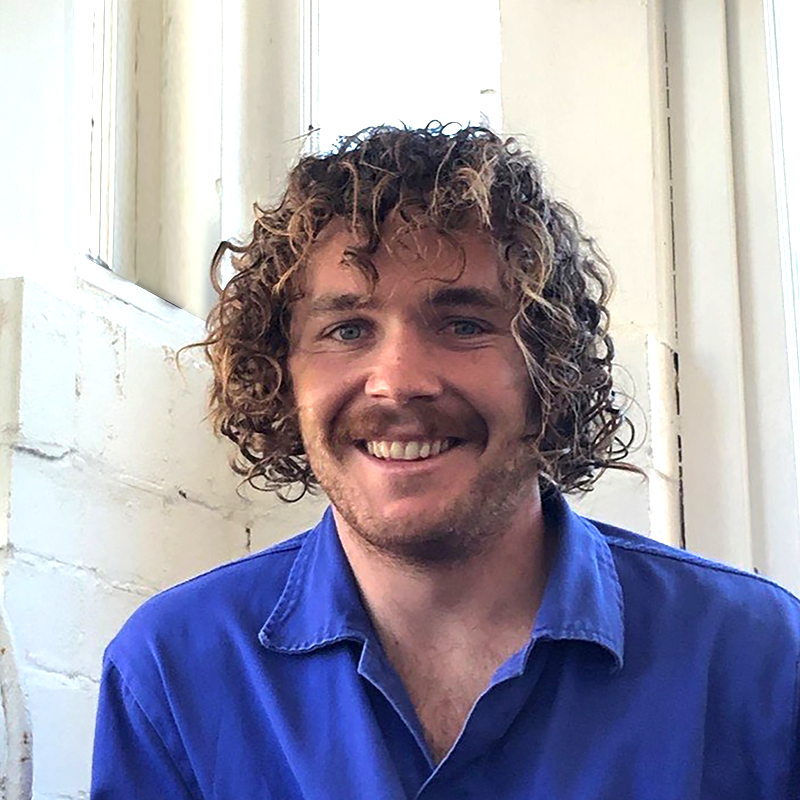

A former Chief Justice of the High Court of Australia says a Voice to Parliament cannot override decision making in Parliament, but may instead instil a "high democratic obligation" to consider its recommendations.
On Monday, Robert French, who served as Chief Justice from 2008 to 2017, detailed the requirements on presiding Governments within the constitutional amendment to enshrine an Indigenous Voice to Parliament as proposed.
In June, Mr French rubbished claims from within a Liberal Party report that he said the voice would "make government unworkable", with reference to High Court Procedure.
As part of a panel forum organised by Independent federal MP for Curtin in WA Kate Chaney, Mr French stated "there is no constitutional legal obligation" for Parliament to "accept or be bound" by recommendations made by a Voice body should the proposal pass in the upcoming referendum.
Speaking in Perth, Mr French posited that it would however subject governments to a "high democratic obligation to respect them and take them into account" in line with the public's decision in favour of the "establishment of a Voice to do just those things".
Queries over the Voice's potential to veto or force decision making in Parliament, as well as influence High Court matters have come from corners of the 'No' campaign and Coalition MPs in recent months.
In June, Minister for Indigenous Australians Linda Burney was quizzed on whether it could action a change of date for Australia Day or influence interest rates and taxation during parliamentary sittings.
"The only constitutional requirement in relation to the body is that it is to be called the Aboriginal and Torres Strait Islander Voice, how it will be made up, how it will be elected, at the range of its functions and so forth," Mr French said.
"That will be a matter for the elected representatives - the Parliament, to determine by legislation."
"People will say the devil is in the detail…that detail is detail which will be worked out and ultimately determined by our elected representatives in the full light of day."
The Voice is intended only to consult on matters relating to First Nations people.
Although Mr French said the term 'relating' is "elastic", he stated the laws, policies and practices within this are "going to be defined by common sense and political realities. You only have time to do, and resources to focus on, the things that really matter."
Criticisms that the Voice proposal lacks detail have been a sticking point for those campaigning against it.
Opposition leader Peter Dutton spoken on this as a failure of the Government.
In May, Mr Dutton said the Prime Minister had "refused" to provide "basic detail on divisive changes to our Constitution" during parliamentary debate.
On the topic, noting that Prime Minister Anthony Albanese has addresses this, Mr French labelled these some of these assertions "a furphy".
"The important thing is…when the question of detail is determined, it will be determined in the open by elected representatives with full public debate," Mr French said.
"The Voice proposal is a once in a lifetime opportunity for Australia to fill a gaping hole in our Constitution, to recognise our first history, and the first peoples who bear it, and the painful legacy of its collision with the second history of colonisation."
Yes23 campaign director Thomas Mayo and public health expert Professor Fiona Stanley also made their case for the Voice on the night.
"When you don't have a Voice you're easily exploited and ignored," Mr Mayo said after outlining the history of Indigenous bodies active and dissolved since Federation.
"We know we need a Voice, because when you don't have a voice, all of those awful things happen without hardly any defence against it."
"A Voice is also going to be important to doing more positive things."
Speaking on improvements to health, birthing, justice and disadvantage, Professor Stanley said the 'Yes' campaign "isn't using the examples widely enough. So I hope you can go forth and multiply and give all these good examples to everybody".
Both Mr Mayo and Professor Stanley spoke to the negative impacts with the end of the Aboriginal and Torres Strait Islander Commission in 2005.
"Mainstream Governments have failed Aboriginal people from before birth through to death, and I think that's terribly important to remember. And the reason why they fail so expensively is they don't have an Aboriginal Voice," Professor Stanley said.



