




The Victorian Liberal Party's plan to repeal Treaty should not be a priority if it wins office in November, new polling shows.
The historic Treaty agreement, signed last year between the Victorian Government and the First Peoples' Assembly — the elected body representing Traditional Owners — is in danger of being dismantled, with the Liberals vowing to tear up the agreement within 100 days if they take office.
New polling by YouGov, commissioned by Common Threads — a First Nations-led advocacy organisation — found 40 per cent of respondents support Treaty, compared with 32 per cent who do not, while 28 per cent remain undecided.
Across Victoria's 88 electorates, a majority of voters in 78 do not believe scrapping Treaty should be a priority for a new government.
The First Peoples' Assembly of Victoria will oversee the delivery of Treaty outcomes through a new governance structure known as Gellung Warl, an independent statutory body meaning "tip of the spear" in Gunaikurnai.
Under the framework, the Assembly, alongside a permanent truth-telling body and an accountability commission, will oversee policies aimed at Closing the Gap in Victoria.
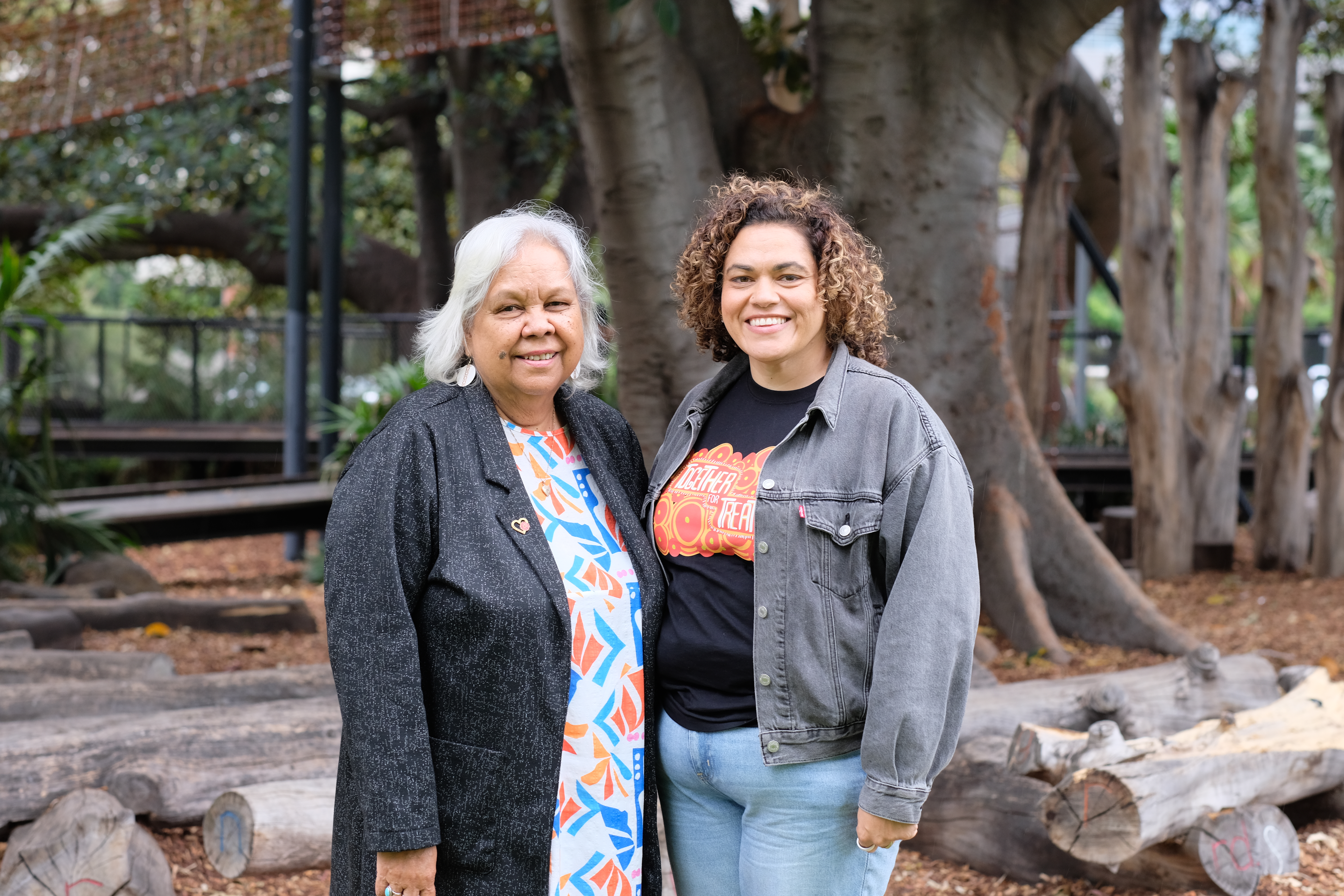
Common Threads CEO Larissa Baldwin-Roberts said Treaty was a transparent and inclusive process, backed by First Nations people throughout Victoria.
"Most Victorians want to see political leaders focused on the big issues — like healthcare, transport and affordable housing — not distracting with attacks on something Aboriginal communities have fought so hard for," she said.
"Instead of listening to First Peoples and moving forward together, the Liberal and National Parties along with One Nation are choosing to turn Treaty into a political football."
The opposition, having already withdrawn from the previously bipartisan Treaty process in 2024, said last year it would introduce legislation in its first 100 days to repeal the Treaty Act, arguing it is not the "best way to close the gap and deliver better outcomes for Indigenous communities".
Instead, the party has proposed creating a new department — First Nations Victoria — and an unelected Aboriginal advisory body.
It said the body would deliver transparency and measurable progress by working "alongside Indigenous Victorians to implement a community-led, co-ordinated and transparent approach to policy, funding and service delivery," and publish quarterly updates and table annual reports in Parliament to track outcomes across health, education, justice, and child and family well-being.
It is understood the First Peoples' Assembly's two new co-chairs — Djaran Murray-Jackson and Meriki Onus — have not yet met with Liberal leader Jess Wilson since being elected earlier this year.
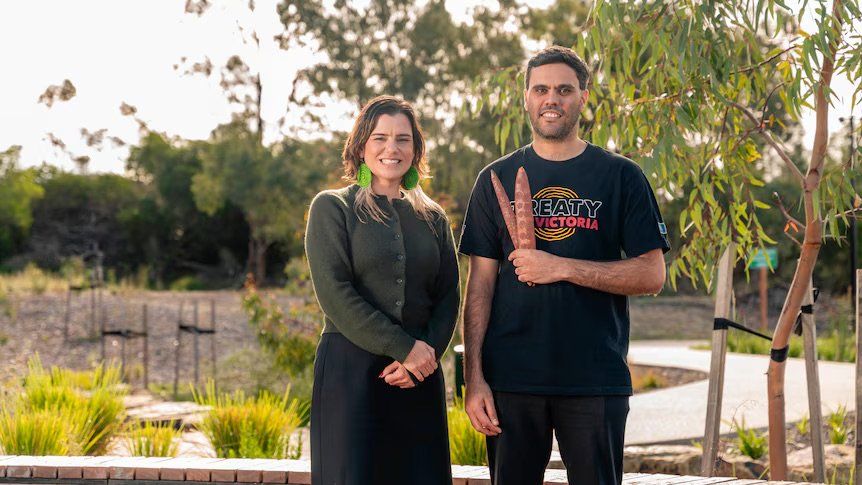
Appearing at a Senate inquiry into racism and hate against First Peoples last week, Mr Murray-Jackson said treaties are about "resetting the relationship and doing things differently".
"For the past 200 years, what we've been doing hasn't been working," he said.
He said concerns about Treaty being torn up were being raised by First Peoples across the state.
"It's scary for our mob...every conversation with us they raise it," Mr Murray-Jackson said. "I was hopeful Treaty would stay above party politics."
Mr Murray-Jackson added the Assembly's focus on economic self-determination aligned with the Liberal Party's long-term view, and he remained hopeful the Opposition would keep Treaty if it wins office in November.
The YouGov polling shows the Liberals winning government for the first time since 2014 in November, even after Labor replaced Jacinta Allan with Bern Carroll as Premier last month. The Coalition is predicted to win 39 seats, Labor 29 and One Nation 17.
Ms Wilson has campaigned against what she has called "Labor's divisive treaty". Despite supporting the Voice referendum, she has argued the Treaty model "should concern all who value the rule of law and the separation of powers that underpin our democracy".
Ms Baldwin-Roberts said Ms Wilson's "pledge to rip up Treaty if elected this November would destroy nearly a decade of work by Elders, experts and grassroots communities".
"Why abandon something that's working and has popular support among voters from all walks of life?" she asked.
"We want a country that values all people, whether they have been here five years, five generations or five thousand generations. Treaty provides a way to acknowledge past injustices, resolve differences, and create a stronger, fairer future."



