




Nearly two centuries after European settlement began at Portland, Victoria has moved to confront its colonial past by introducing legislation for a Treaty with First Peoples — the first of its kind in the Commonwealth.
Treaty is being negotiated between the state government and the First Peoples' Assembly of Victoria, the democratically elected body representing Indigenous communities across the state. A 34-page report released on Tuesday outlines reforms, including embedding Indigenous "truth-telling" in the Victorian school curriculum from prep to Year 10, in both government and non-government schools.
The education program aims to inform students about the "enduring harm" of colonisation following a decade-long process at government level, and comes 190 years after the Henty brothers established a permanent European settlement at Portland in 1834.
Assembly co-chair, Rueben Berg, said Australia is the only Commonwealth country that doesn't have a treaty with its First Peoples.
"Today," he told reporters, "we take a key next step to address that".
"This will reset the relationship between First Peoples and government. This will create a body that will enact real, practical change for First Peoples in our state... everyone wants to see First Peoples thrive, and we are ready to get to work to use this treaty to deliver improved improvements in health, education and housing for our people."
Truth-telling, apology and cultural recognition
The agreement also includes provisions for a formal apology to First Peoples and greater use of traditional names for natural parks and waterways.
"The colony of Victoria was established without the consent, negotiation or recognition of the Traditional Owners of these lands and waters," a preamble to the Treaty agreement reads.
"What followed was violence, destruction and dispossession – a rush to take land, lives, and resources, leaving lasting scars on families, communities and Country itself. The harm of colonisation has not ended. Its legacy – dislocation, grief and trauma – still ripples through families and communities today.
"Treaty is one of the most important steps Victoria has ever taken – a renewed and enduring relationship between First Peoples and the state, grounded in the inherent right of First Peoples to self-determination."
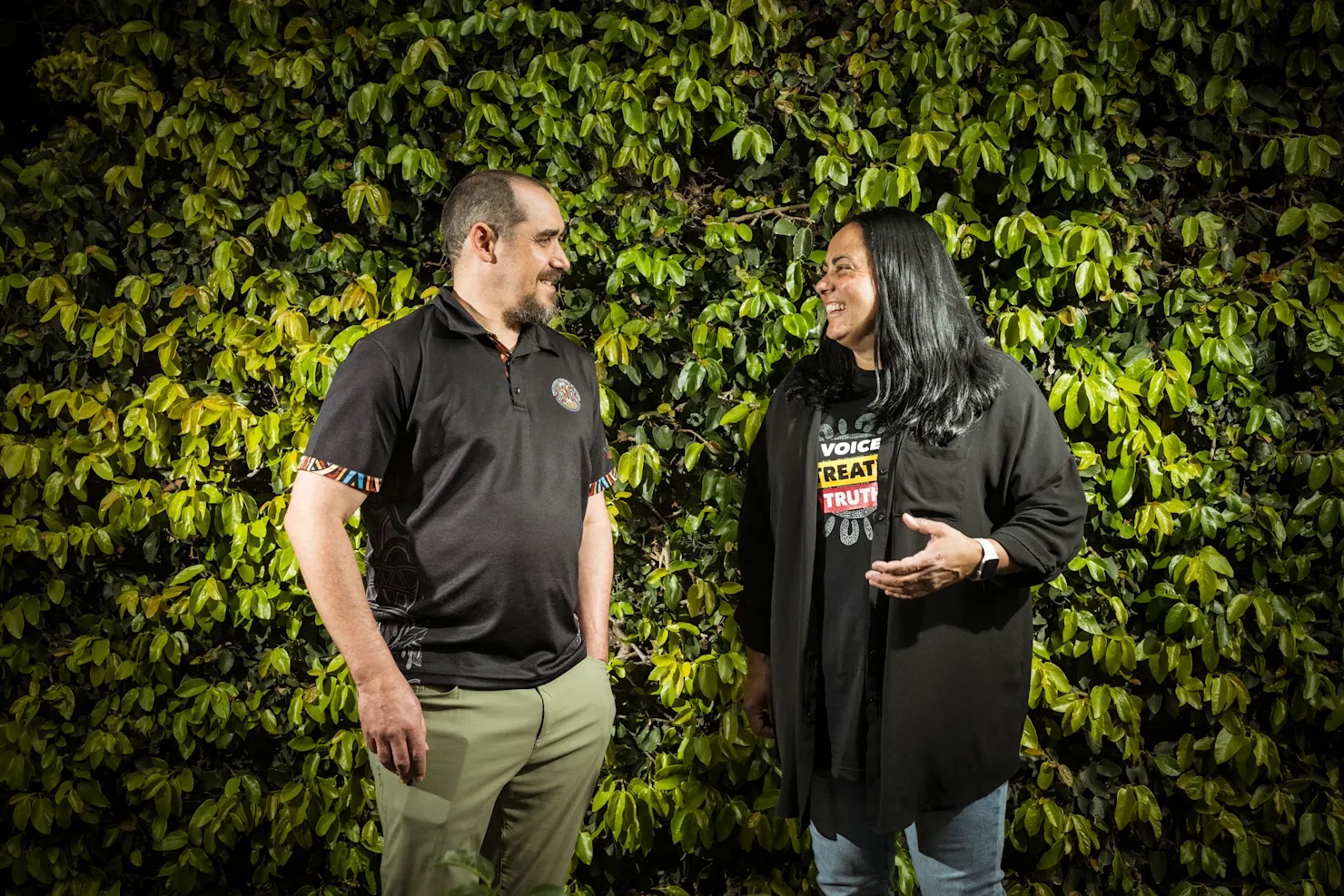
First Peoples' Assembly of Victoria co-chair, Ngarra Murray, said the legislation reflects decades of work.
"Our story is one of strength and survival. Through the deepest hardships and the greatest challenges, First Peoples have shown remarkable resilience," she said.
Noting both sides now stand at the beginning of the "Treaty era", Ms Murray noted: "We are at a turning point in this nation's history. Treaty offers us the chance to reshape the story of this country. So today is a historic day. Victoria has been on the journey to treaty for nearly a decade, but treaty is the culmination of many decades of activism and work."
"Treaty recognises that Aboriginal people are the experts on our own lives and communities, cultures, and our countries and it's an opportunity to make sure we can use our local knowledge to come up with and deliver practical solutions at a community level. This is a chance for all Victorians to acknowledge our past, heal and move forward together."
A post shared by First Peoples' Assembly of Victoria (@firstpeoplesvic)
Expanded Assembly responsibilities
The bill also proposes to make the First Peoples' Assembly of Victoria permanent, with expanded responsibilities including:
- Representation through democratically elected members
- Decision-making power on matters directly impacting First Peoples
- Creation of an independent accountability mechanism under the National Agreement to Close the Gap
- Consultation on government laws and policies affecting First Peoples
- Leading truth-telling and healing initiatives across Victoria, including capturing and archiving stories
- Statutory appointments to designated First Peoples' seats, such as the Heritage Council of Victoria
- Oversight of the Aboriginal Community Infrastructure Fund, the Victorian Aboriginal Honour Roll and NAIDOC Week
- Development of a First Peoples' Institute to build leadership across the sector
"The First People's Assembly of Victoria will be made permanent to make sure our communities are properly represented under Treaty," Mr Berg said.
"Government must speak with us when making laws, rules or policies about us."
Treaty will establish Gellung Warl — meaning "tip of the spear" or "pointed spear" in Gunaikurnai — as the permanent representative and deliberative body for Traditional Owners and First Peoples in Victoria. The First Peoples' Assembly will sit within this new framework.
It will also create a standing Truth-telling body, Nyerna Yoorrook Telkuna — a Wamba Wemba phrase meaning "sitting and listening" — and an accountability body, Nginma Ngainga Wara, meaning "you will do" in Wadi Wadi language, which will hold the state to account for commitments to close the gap in health, education and economic outcomes.
Mr Berg said Nginma Ngainga Wara is what the agreement on Closing the Gap calls for, and was reiterated in last year's Productivity Commission report.
"They talk about the need for greater decision-making for First Peoples — Treaty will do that," he said.
"It talks about greater access to government ministers for First Peoples — Treaty will do that. It talks about increased cultural capability of the public service — Treaty will do that. It talks about better processes for access to data for First Peoples — Treaty will do that. It talks about better considerations of the impacts on First Peoples of government, policies and laws —Treaty will do that too.
"It also talks about the need for an independent First Peoples-led accountability mechanism, and yes, Treaty will do that also."
Premier backs reform, opposition oppose
Premier Jacinta Allan said governments had long spent "huge amounts of money" on First Nations programs without closing the gap.
"We're doing this because it gets better outcomes. We know we need to make change. We know the current practices and systems that have been in place for a very long time just simply aren't working," she said.
"There needs to be change and that's what this treaty agreement and this bill will deliver.
"I want to be also clear that none of these changes that are in the bill that we're introducing to the parliament today or indeed in the treaty agreement itself, none of these changes are about taking anything away from anyone. It's simply about improving services, improving the lives for Aboriginal Victorians."
The opposition has vowed to oppose the legislation, which is still expected to sail through parliament with the support of the Greens and crossbench in the upper house.
"The Liberals and Nationals are absolutely committed to closing the gap," the opposition's spokeswoman for Aboriginal Affairs, Nationals MP Melina Bath, said, The Age reports.
"We believe there are alternative approaches that avoid division and race-based distinctions and will deliver real and positive outcomes for Aboriginal Victorians."
Asked about her comments, Mr Berg was clear.
"To anyone who's suggesting ideas about what we need to do to improve conditions for First Peoples, I'd say the best people you should talk to about that are First Peoples," he said.



