



Mining claims on land removed from Bears Ears National Monument have risen to 72 as Tribal leaders renew calls for protections to be restored to the sacred landscape in southern Utah.
The Southern Utah Wilderness Alliance (SUWA) confirmed the claims had reached 72 by September 28, more than three times the 20 lodged during President Donald Trump's previous reduction of the monument between 2018 and 2021.
The latest figure marks a sharp increase from the previous 23 claims.
Land Survey Advisors LLC has filed 36 claims, Kimmerle Mining 33, and George W. Schultz three.
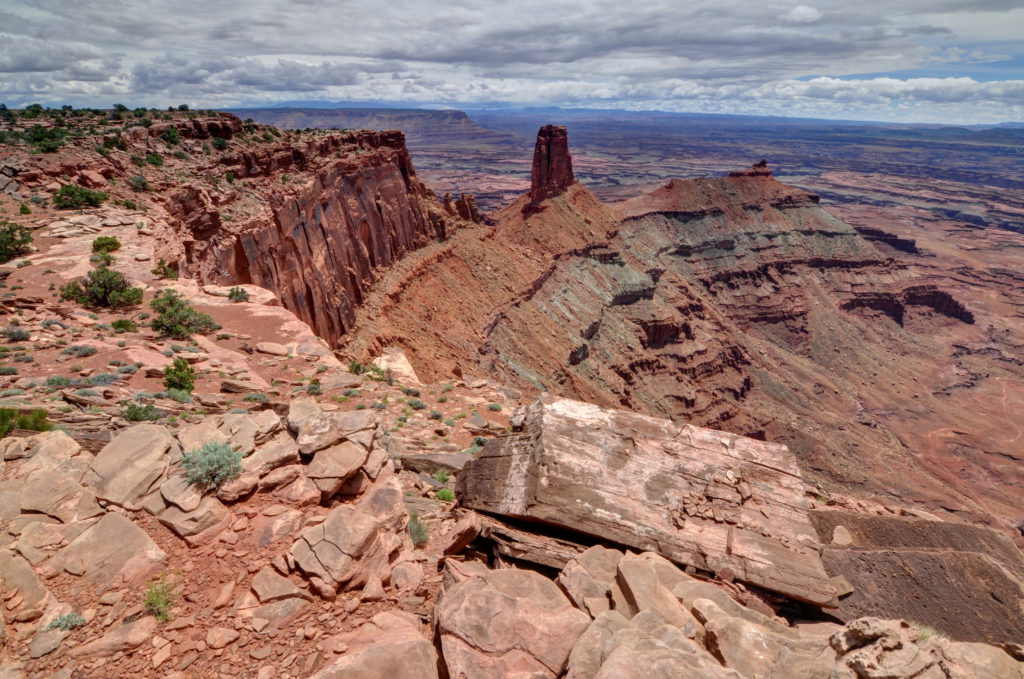
The claims cover areas including Seven Sisters Butte, Fry Canyon, Lockhart Basin, the headwaters of Dark Canyon Wilderness and land near Natural Bridges National Monument.
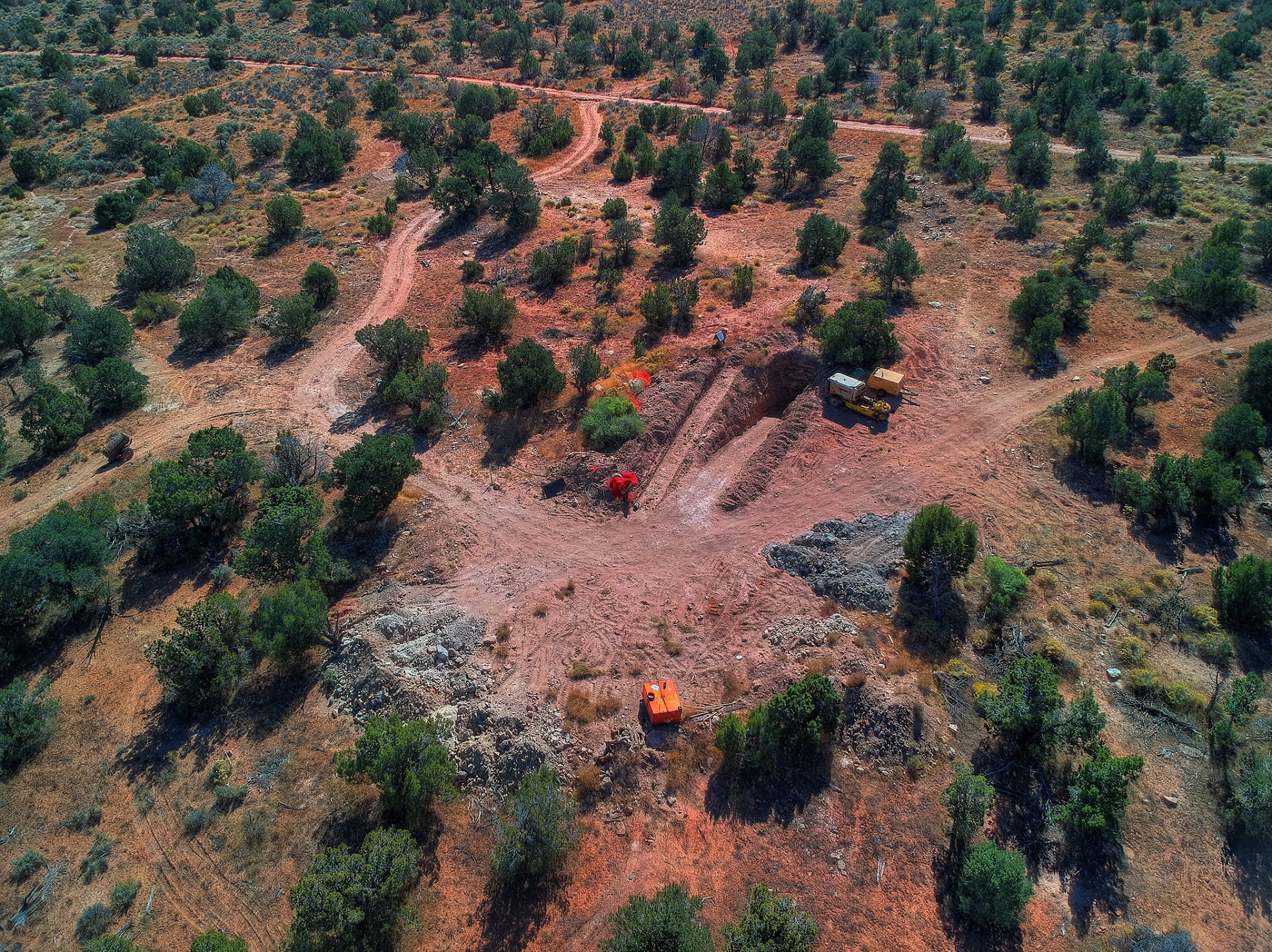
The filings do not mean mining operations have been approved, but allow claimants to pursue potential mineral development.
The developments have renewed concerns among Tribal Nations about the protection of ancestral lands, cultural sites and traditional practices.
On October 2, the Ute Mountain Ute Tribe and Southern Ute Indian Tribe joined Colorado Governor Jared Polis and Lieutenant Governor Dianne Primavera in condemning the monument reduction and lack of meaningful Tribal consultation.
Ute Mountain Ute Tribal Councilwoman Tawnie Knight pledged to continue defending the Tribe's ancestral lands.
"The government can shrink our lands, but they cannot erase history and our people," Ms Knight said.
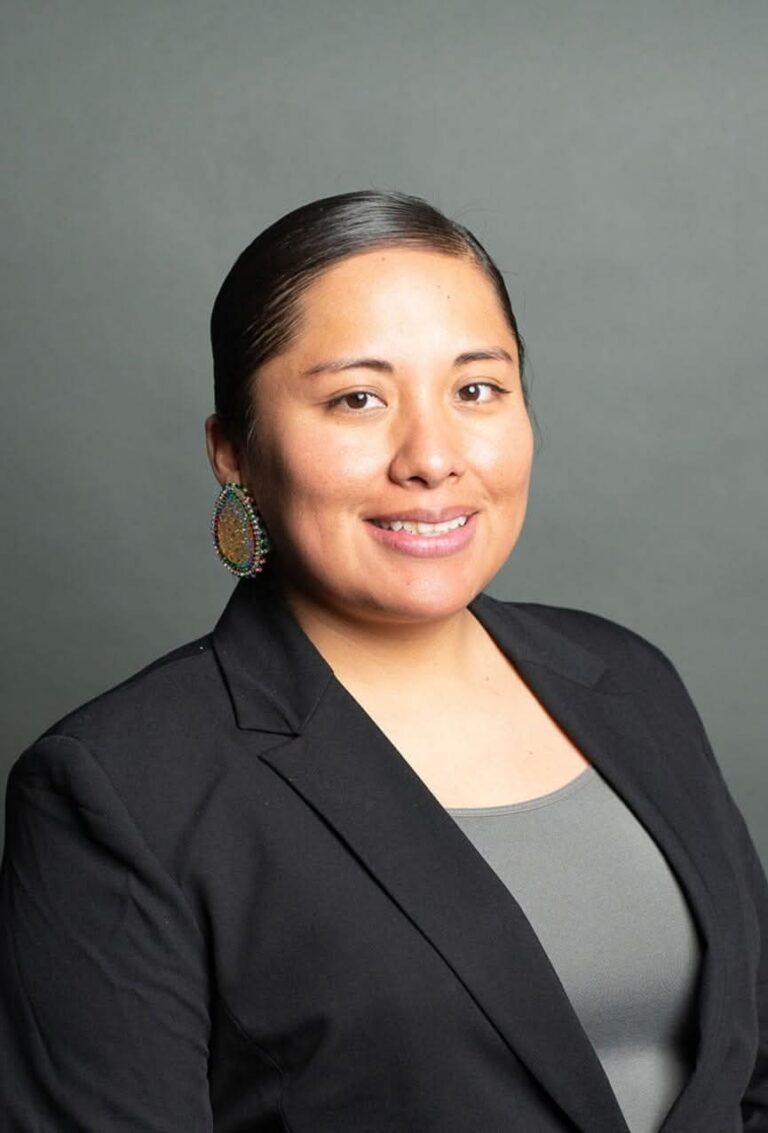
Southern Ute Tribal Chairman Christine Sage also called for the monument's protections to be restored, highlighting the Ute people's continuing connection to the landscape through oral histories, traditional ecological knowledge and cultural practices.
"It deserves the highest level of protection possible," Ms Sage said.
The joint statement also criticised President Trump's termination of the Bears Ears Commission, which previously allowed representatives of five Tribal Nations to participate in the monument's management.
Established under former president Barack Obama in 2016, the commission worked with federal agencies to develop a management plan incorporating Traditional Indigenous Knowledge.
President Trump's proclamation ended the commission's formal role, leaving only consultation requirements under other federal laws.
The statement warned that expanded mining could damage cultural sites, fragile desert habitats and water resources.
Meanwhile, the White Mesa Ute community is preparing to hold its 10th annual spiritual walk on October 17 to protest the Energy Fuels uranium mill near Bears Ears.
The community has raised longstanding concerns about radioactive waste, water contamination and the impact of uranium processing on nearby residents.
Organisers have also highlighted the 72 mining claims as part of wider concerns about expanding uranium development.
White Mesa Concerned Community co-founder Yolanda Badback called for greater protection of the community's health and environment.
"Our children need clean water to drink and clean air to breathe," Ms Badback said.
"Your radioactive waste is not welcome here."
Legal challenges to President Trump's monument reductions are continuing, with conservation organisations seeking to reopen litigation over his previous boundary changes.
The Native American Rights Fund also continues its work representing the Hopi Tribe, Pueblo of Zuni and Ute Mountain Ute Tribe in the Bears Ears dispute.
The new monument boundaries remain in effect while their legality is contested, with Tribal Nations and conservation groups continuing efforts to restore protections.



