



Native leaders have condemned US President Donald Trump's decision to cut protections for two national monuments in southern Utah by about 90 per cent, including lands sacred to several Tribal Nations.
President Trump signed proclamations on July 13 reducing Bears Ears National Monument from about 1.36 million acres to 121,096 acres and Grand Staircase-Escalante National Monument from about 1.87 million acres to 181,500 acres.
The changes removed protections from almost three million acres of public land and went further than reductions made during President Trump's first term.
The Bears Ears decision also ordered the termination of the Bears Ears Inter-Tribal Commission, which gave representatives of five Tribal Nations a formal role in managing the monument.
National Indigenous Times previously reported a co-management agreement gave five Tribal Nations a role in Bears Ears and allowed Indigenous knowledge to guide its long-term management.
President Trump's order ends the commission and its formal role in that arrangement.
About 1.24 million acres removed from Bears Ears will become eligible for mineral leasing, mining claims and other public land uses 60 days after the order was signed.
ICT reported Davina Smith-Idjesa, a Navajo Nation citizen and co-chair of the Bears Ears Inter-Tribal Coalition, said the monument was central to culture and ceremony.
"From a Navajo perspective, Bears Ears is not simply a piece of federal public land," Ms Smith-Idjesa told ICT.
"This is a living cultural site that holds our histories, our ceremonies, our traditional foods and medicines and our ancestors' footprints."
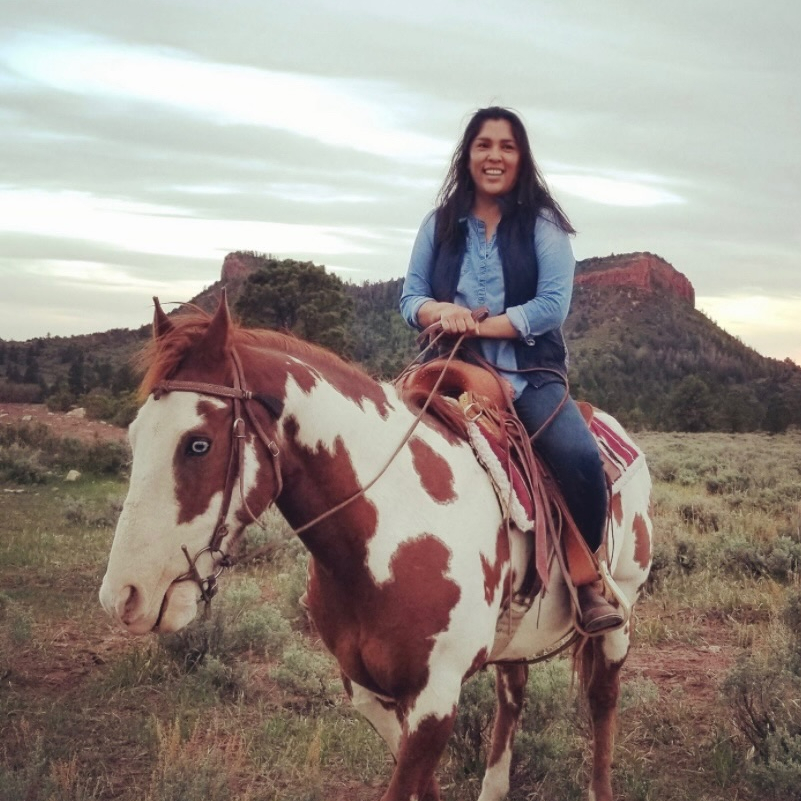
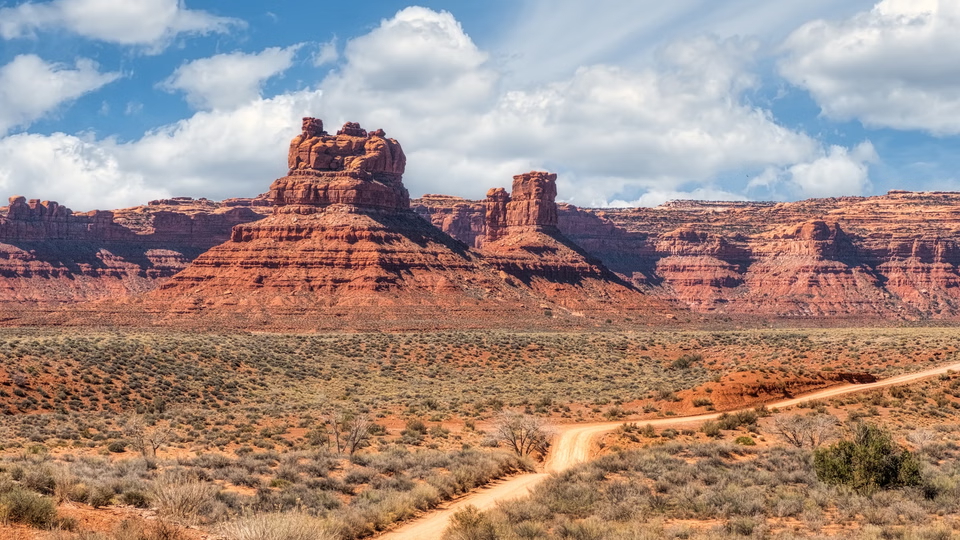
The landscape contains ancestral villages, ceremonial and burial sites, cliff dwellings, rock art and medicinal plants, along with uranium and other mineral deposits.
Bears Ears was created in 2016 following years of advocacy by the Navajo Nation, Hopi Tribe, Pueblo of Zuni, Ute Indian Tribe and Ute Mountain Ute Tribe.
Tribal leaders said they had expected changes after President Trump returned to office but were not consulted about the scale of the reductions.
ICT reported Anthony Sanchez Jr, a Pueblo of Zuni Tribal Council member and Bears Ears Commission co-chair, said the decision continued a wider struggle over Indigenous lands and sovereignty.
"When you look at the reduction of Bears Ears, it represents another chapter in the ongoing struggle we have to protect our Indigenous lands, cultural resources, and the sovereignty of tribal nations," Mr Sanchez told ICT.
"A 90 percent reduction in all these lands is uncalled for, especially when it's involving Bears Ears and Grand Staircase."
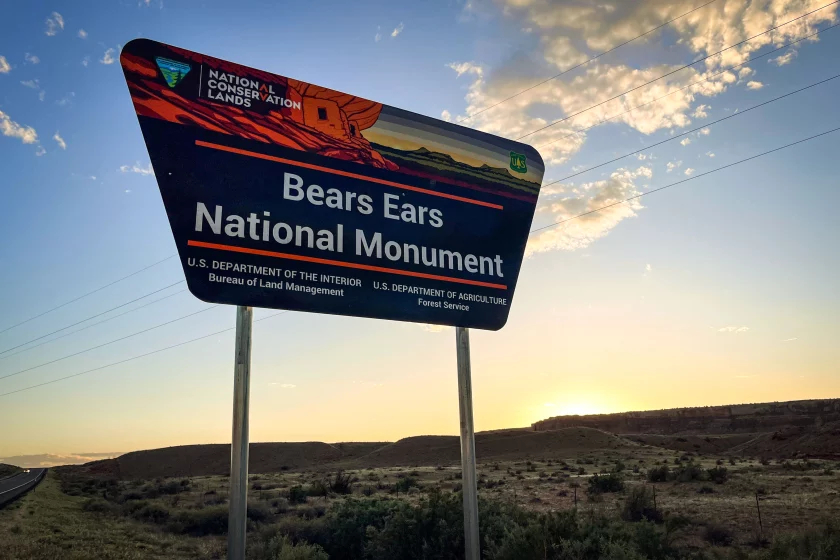
President Trump argued the monument boundaries were larger than necessary and said the changes returned land to public use.
The national monument status restricted mining, drilling and new construction across protected areas, while still allowing hunting, fishing, camping and walking under existing regulations.
The Native American Rights Fund said it would challenge the Bears Ears decision in court on behalf of the Hopi Tribe, Pueblo of Zuni and Ute Mountain Ute Tribe.
The organisation argued the Antiquities Act of 1906 allowed presidents to establish national monuments but did not give them authority to revoke or substantially reduce existing monuments.
NARF deputy director Matthew L. Campbell said the decision and termination of the commission were unlawful.
"We will pursue every available legal course of action to stop these illegal attacks on Native homelands, culture, and people," Mr Campbell said.
"Tribal Nations have protected these lands for generations and they won't stop now."
President Trump previously reduced both monuments during his first term in 2017, prompting lawsuits from Tribal Nations and conservation groups.
Former president Joe Biden restored their boundaries in 2021.
The latest reductions are expected to reopen legal questions over presidential powers under the Antiquities Act and federal consultation obligations to Tribal Nations.
Northern Ute youth representative Emerson Hackford said the decision had created grief among communities connected to the monuments.
"I'm scared that I'll never be able to get to go out there and speak my prayers in my language again," Mr Hackford said to ICT.
Tribal leaders and legal advocates said they would continue efforts to restore protections and defend access to cultural and sacred sites.



