



Pacific community leaders have set out six climate and health priorities ahead of COP31, calling for funding to reach grassroots communities and action to protect health, culture and ancestral lands.
The priorities emerged from a traditional Pacific Talanoa (inclusive, open dialogue) held in Nadi, Fiji, on Thursday, bringing together 85 participants from countries including Tuvalu, Kiribati, Samoa, Fiji and Tonga, alongside representatives from the Torres Strait.
The gathering follows calls at this week's pre-COP31 conference for communities to receive the resources needed to remain on their lands as rising seas and other climate impacts threaten their future.
The Climate and Health Alliance (CAHA) led the Talanoa in partnership with the Alliance for Future Generations Fiji, using open dialogue to develop priorities from participants' knowledge and lived experience.
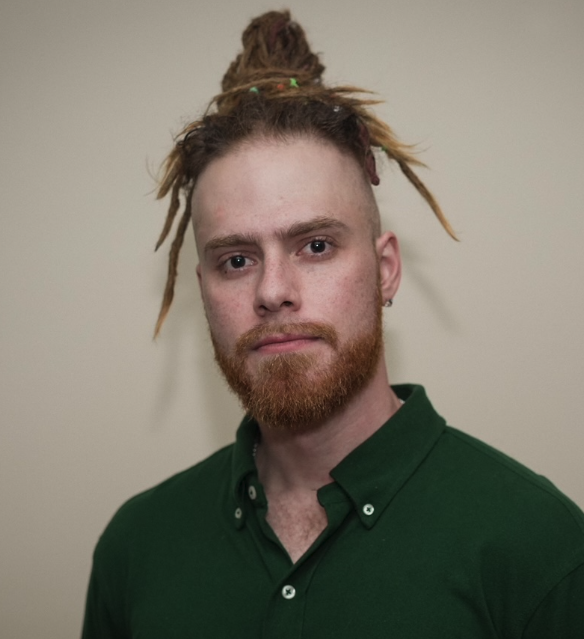
Indigenous Fijian woman and Alliance for Future Generations gender and health advocate, Litiana Lagibalavu highlighted, the process as a means of supporting self-determination.
"In the Pacific, the consultative talanoa process is a crucial step for self-determination," Ms Lagibalavu said.
"We have used talanoa for centuries to build trust and inclusive decision-making.
"When it comes to adapting to the climate crisis in the Pacific, evidence gathered through talanoa carries more weight than scientific research."
The six priorities cover limiting warming to 1.5°C, putting Pacific peoples at the centre of decisions, delivering finance directly to communities, strengthening health systems, investing in nature-based solutions and protecting legal rights.
Participants called for an end date for fossil fuel extraction and subsidies, alongside accessible, predictable and long-term funding for locally relevant adaptation.
The health priorities include protecting women from extreme heat and climate disasters and directing finance to the local services supporting them.
.jpg)
Climate impacts are affecting safe water, food, sanitation, housing and livelihoods across the region, with consequences for maternal and child health, mental health and connections to culture and place.
Ms Lagibalavu described the responsibility Pacific advocates carry when representing their communities.
"We have communities, people, children, mothers whose whole entire lives we are carrying on our back as we come into these rooms," she said.
"These islands are looking at us to help amplify their voices at a time where they just don't feel that they've been heard.
"Not just now, but for decades."
The Talanoa was held behind closed doors without media, allowing participants to speak openly and shape the agenda within a culturally grounded setting.
The traditional methodology builds understanding and consensus through sharing stories, knowledge and experience, and has been recognised by the Intergovernmental Panel on Climate Change as a method for gathering Pacific evidence.
The outcomes also call for protection of Pacific peoples' rights to health, safety, culture and self-determination, including control over Indigenous knowledge and data and dignity during loss and displacement.
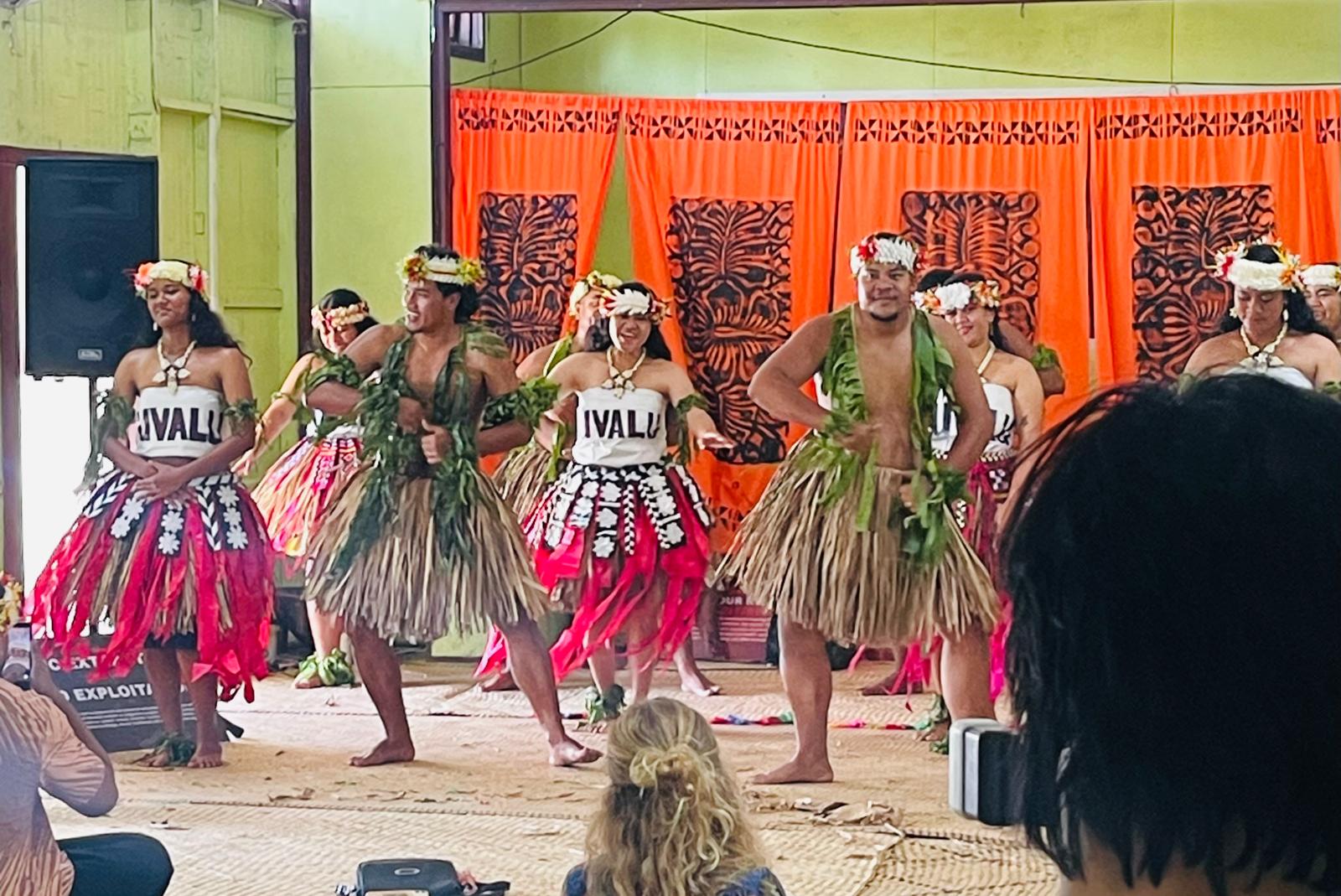
CAHA chief executive, Michelle Isles, highlighted the importance of recognising Pacific leadership alongside the impacts confronting communities.
"For decades, the Pacific has been described through the impacts of climate change," Ms Isles said.
"But that is not the whole story.
"Pacific peoples are rights-holders, defenders and leaders in climate justice, with deep knowledge of their communities and clear solutions for protecting health, culture and future generations."
Australia's role as Negotiations Lead at COP31, and its commitment to centring Pacific priorities, provides a pathway for the outcomes to enter global negotiations.
Ms Isles called for that commitment to be reflected in support for Pacific-led solutions.
"The test is what happens next," she said.
"Australia has an opportunity to listen to Pacific demands, back Pacific-led solutions and use its role to ensure those priorities are carried into the negotiating rooms where global decisions will be made."
The outcomes will inform CAHA's Leaders Summit in Canberra on October 13-14, bringing together health, youth and climate organisations, First Nations communities and government representatives.
They will also guide research and advocacy ahead of COP31 in Antalya, Türkiye, where CAHA will coordinate a delegation including youth, First Nations and Pacific representatives.



