



Girls from 50 regional and remote New South Wales schools will learn about Aboriginal scientific knowledge and careers in science, technology, engineering and maths through a $250,000 investment in DeadlyScience.
The NSW Government funding will support workshops for students from kindergarten to year 9, with a focus on years 4 and 9, and enable the organisation to employ two First Nations women.
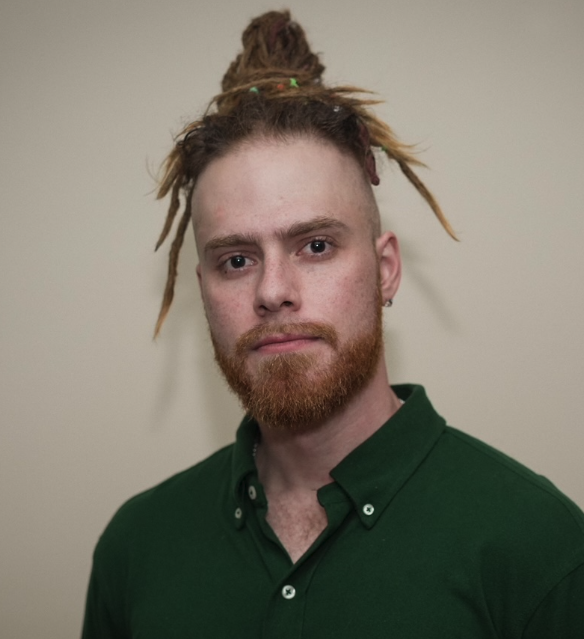
Kamilaroi man and DeadlyScience founder and CEO, Corey Tutt, described the funding as a turning point for the organisation.
"This is the most significant government investment Deadly Science has received, and it represents a transformative moment for our organisation," Mr Tutt said.
"Through the support of the NSW Government, we're able to employ two First Nations women who will take STEM education into schools and communities while ensuring our programs continue to reflect the richness of Indigenous knowledge.
"Empowering First Nations women to lead STEM education isn't just good for Aboriginal and Torres Strait Islander students - it's good for every student."

Workshops will begin in Term 4 this year at 16 schools in the Central and Far West of NSW.
The remaining participating schools will be determined by the end of the year, with workshops scheduled for Terms 1 and 2, 2027.
The expansion follows a pilot in October 2025 and March 2026, when DeadlyScience delivered 12 programs at six regional NSW schools to more than 300 students.
The pilot highlighted Aboriginal knowledge and women's leadership in STEM, with almost half of participating students expressing interest in continued STEM learning.
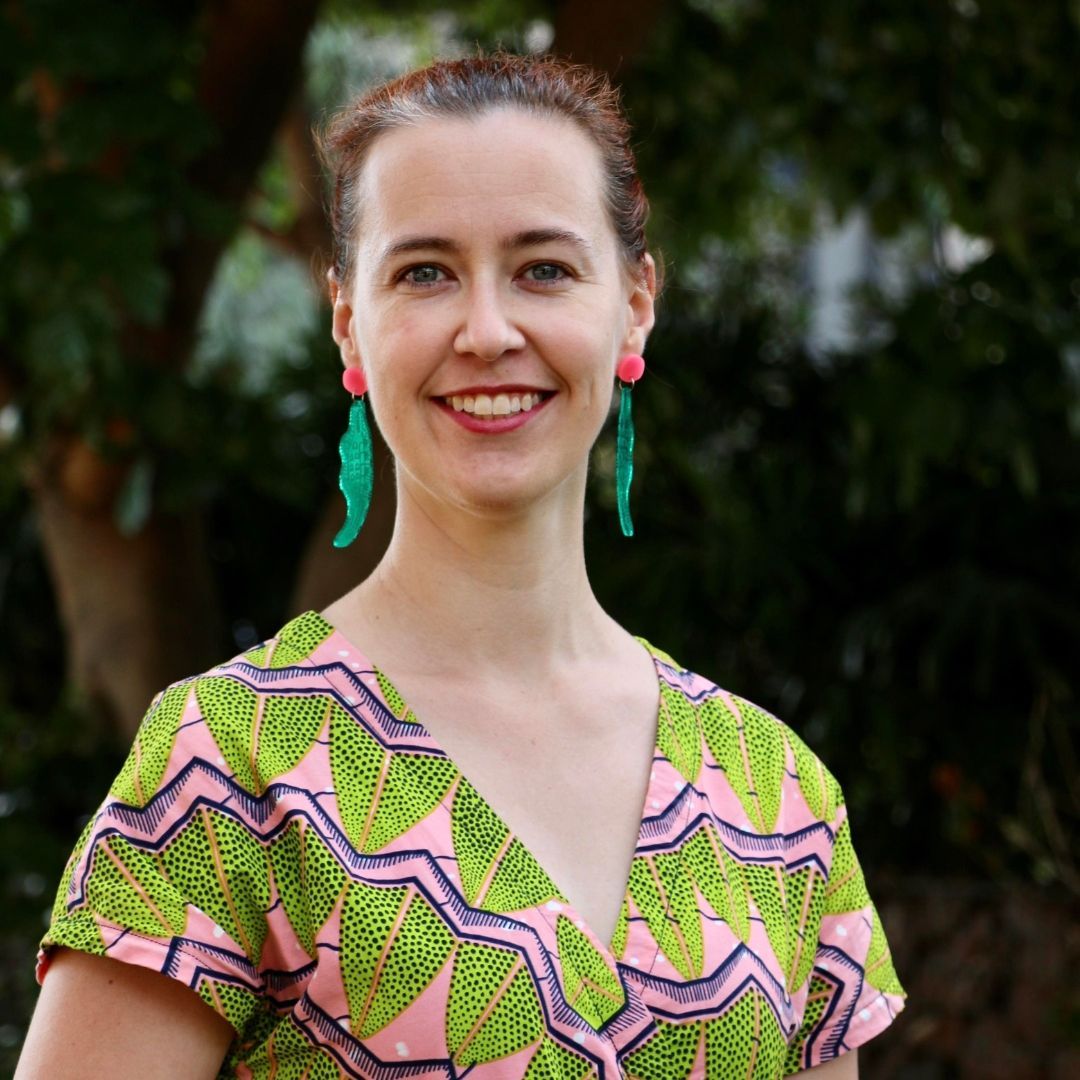
Biripi and Worimi woman and DeadlyScience director, Jessica Tapp, highlighted the investment's role in supporting First Nations women as educators and role models.
"This investment from the NSW Government is about more than funding programs - it's about backing Aboriginal and Torres Strait Islander women to lead, educate and inspire the next generation," Ms Tapp said.
"Seeing First Nations women at the forefront of STEM education creates powerful role models for young people across New South Wales and helps ensure our knowledge and perspectives are valued in classrooms."
Ms Tapp also linked the partnership to representation and opportunities for young girls.
"As a proud Aboriginal woman, I know how important representation is," she said.
"This partnership with the NSW Government demonstrates what can happen when governments invest in First Nations women to create lasting change, opening doors for young girls to see themselves as scientists, innovators and leaders."
New South Wales Minister for Aboriginal Affairs and Treaty, David Harris, highlighted the program's use of First Nations teachers and Aboriginal knowledge.
"To be it you first have to see it and DeadlyScience is a fantastic initiative that opens up a world of possibilities in STEM for Aboriginal girls in regional and remote communities across our state," Mr Harris said.
"This program harnesses the power of Aboriginal knowledge and leadership by employing First Nations teachers to spark girls off on a STEM pathway by using relevant and accessible ways of teaching to help close the gap."
The 2025 STEM Equity Monitor Data Report shows women hold 15 per cent of STEM-qualified jobs, 23 per cent of senior management positions and eight per cent of CEO roles in STEM-qualified industries.
The release also cites Aboriginal people accounting for one per cent of university enrolments in 2023 and two per cent of people working in STEM-qualified occupations in 2021-2022.
New South Wales Minister for Women, Jodie Harrison, highlighted the need to support girls from school through to higher education and employment.
"Women are significantly underrepresented in science, technology, engineering and maths," Ms Harrison said.
"The NSW Government is working to encourage more girls into STEM while in school, through higher education and eventually the workforce.
"We want to ignite a passion for STEM in young Aboriginal girls and see our next generation of scientists, engineers, and innovators thrive."
The investment forms part of the NSW Government's work to increase gender equality, expand the skilled workforce and encourage women and girls into STEM careers.
More information is available via the DeadlyScience website.



