




Fifty Years of Deadly was celebrated by the Circular Head Aboriginal Corporation at the organisation's annual NAIDOC Community Day in Tasmania's North-West on Wednesday.
Held at Trawmanna, just outside of Smithton, mob, allies and community members gathered on Aboriginal-owned land to celebrate the culture, strength, and self-determination of Aboriginal people.
The all-day event commenced with Circular Head Aboriginal Corporation (CHAC) operations and cultural manager, Camilla Woolley, speaking on the importance of the annual Indigenous celebration.
"Today is about community, it's about culture, it's about the connection, the Biripi and Worimi woman told attendees.
"It's about coming together in a good way to celebrate the strength, resilience and and living cultures of Aboriginal and Torres Strait Islander people."
Referring to this year's NAIDOC Week theme, Ms Woolley said CHAC's increasingly NAIDOC event — which has seen an an increase in attendees year-on-year — "is what deadly looks like".
"Today is about more than gathering," Ms Woolley said.
"It is a chance to celebrate culture, to recognise our shared history, to learn from one another, and to acknowledge the strength that continue to carry our communities forward."
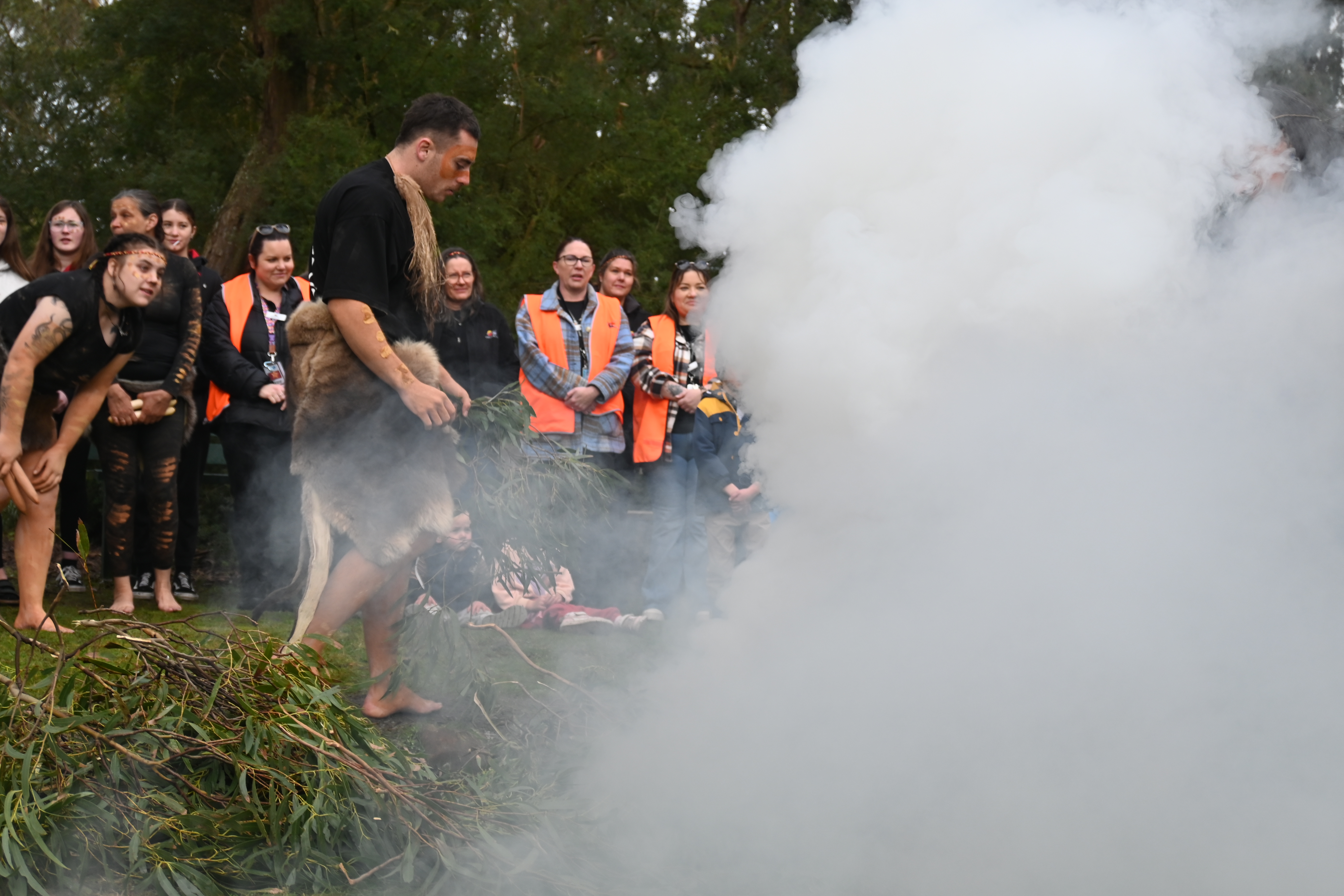
Following Ms Woolley's welcome the large crowd gathered around the Trawmanna's fire pit for a smoking ceremony and cleansing dance.
There, the event's Welcome to Country was delivered at the fire pit by Jack Smith, a young leader at CHAC who manages the organisation's youth intervention program known as SSP, or Strong, Smart and Proud.
Mr Smith works with disengaged youth in the region running boys programs, cultural groups and life skills sessions to support school re-engagement.
Speaking to National Indigenous Times while cooking mutton bird — a traditional Indigenous Tasmanian cuisine — Mr Smith said the cultural teachings of CHAC staff throughout the Circular Head community are having a positive impact on the region's young people.
"Now that we're going into so many schools and teaching the culture, the kids are getting an understanding and are really taking to it," he said.
"And when they come to days like this, they know us all and they respect it [Indigenous culture] because we've been there."
Mr Smith said the number of attendees, especially young people, at this year's NAIDOC Week celebration at Trawmanna shows "just how far its come".
He said celebrating Indigenous culture alongside CHAC staff and the broader community was "really special".
"It's the time that we can all come together, as we're working in all different roles throughout the year," Mr Smith said.
"And NAIDOC Week is a time where all the staff work together as a team and put on a show for the community."
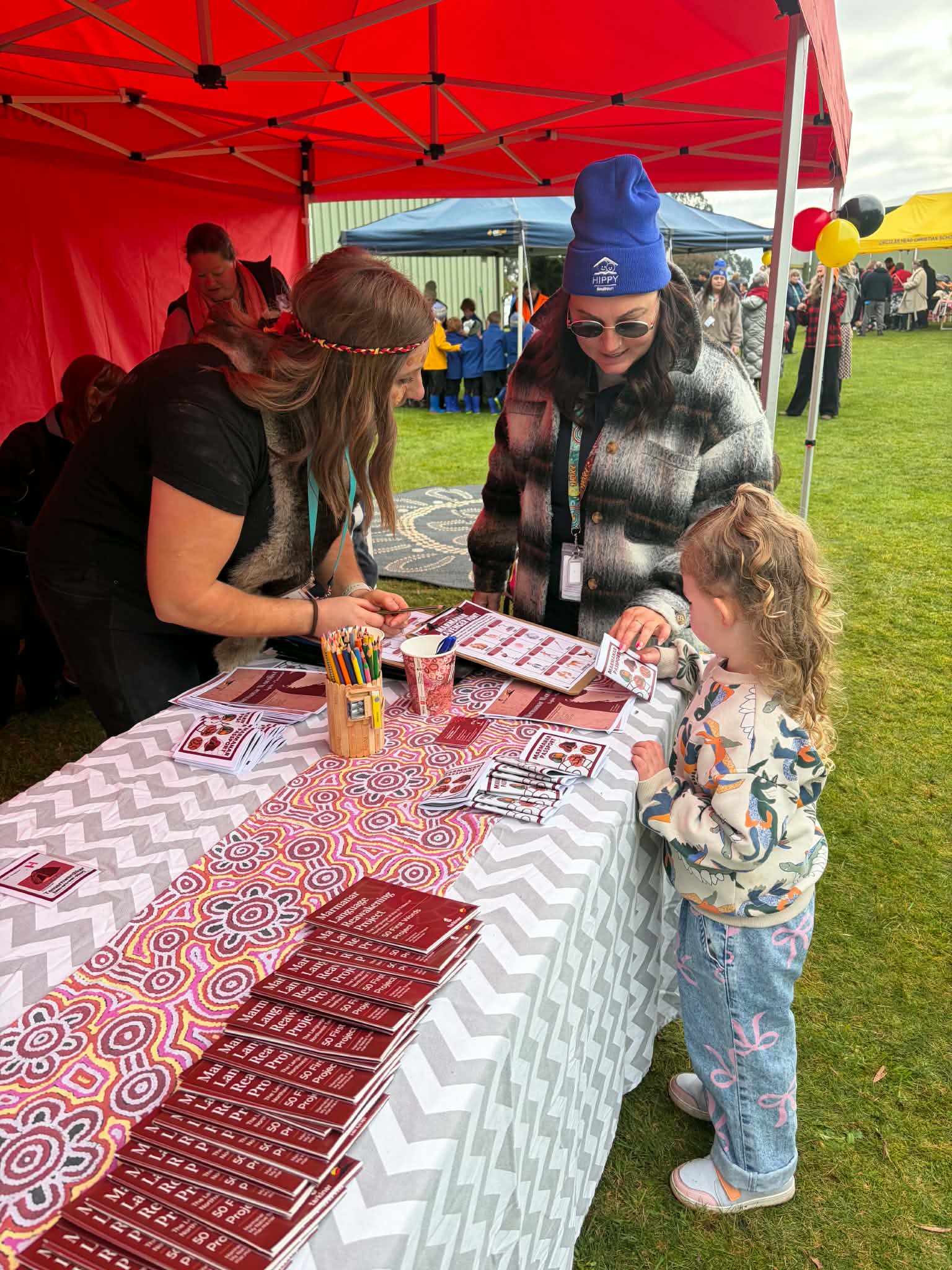
Throughout the day language, song, yarning circles and various games and cultural activities were held, with the Marmanar scavenger hunt proving popular with both young and old.
CHAC language manager, Rochelle Godwin, said for her, this year's NAIDOC Week theme represents the past and the future.
"It's about the empowerment of our next round of leaders that are going to take us into the future," Ms Godwin said.
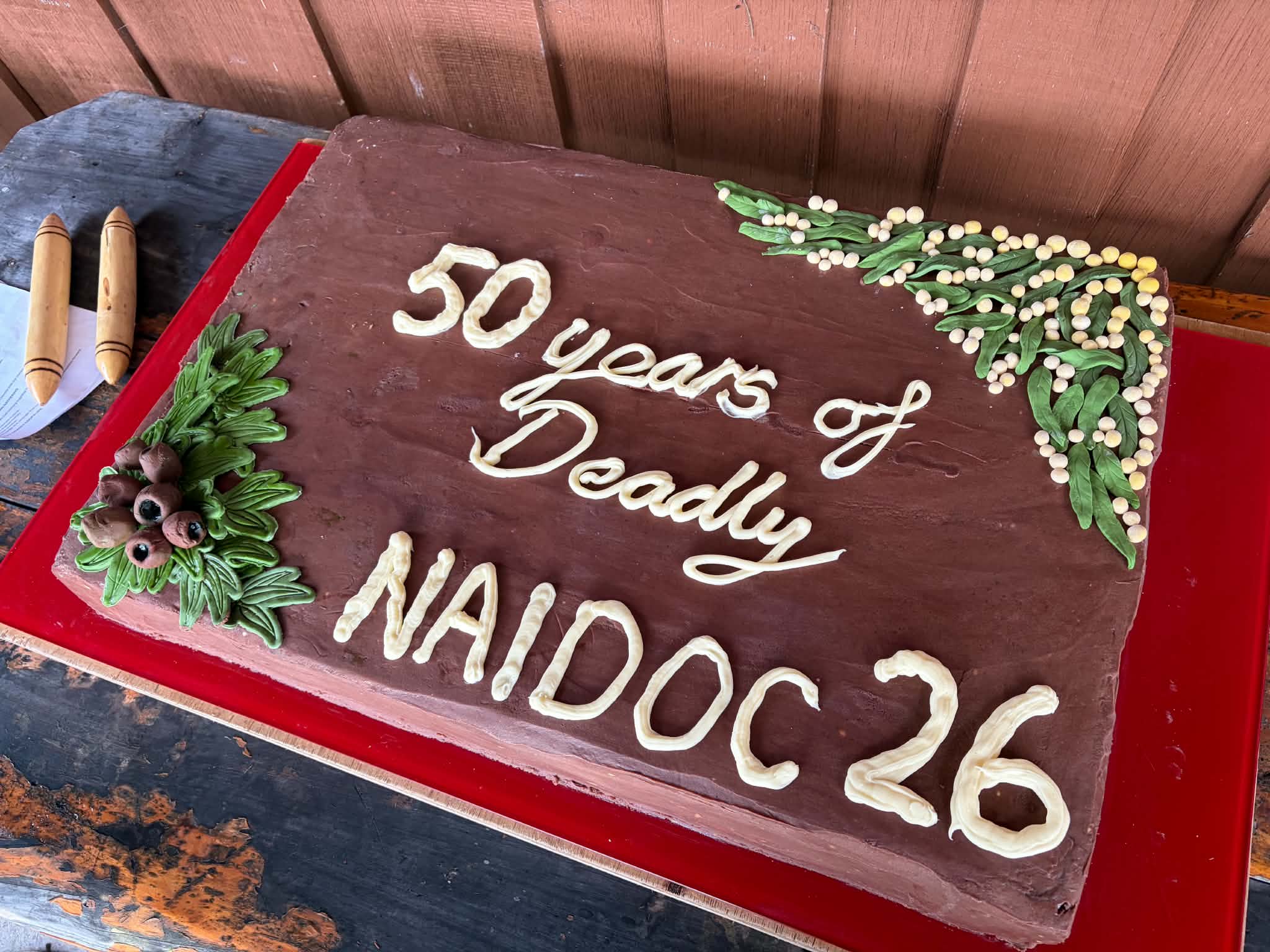
"We've had 50 years of deadly leaders that have led us to where we are now, and for me it's looking at who's our next leaders [that] are going to bring on 50 more years of deadly."
Ms Godwin said this year's NAIDOC Week theme has strong connections to CHAC's Marmanar language project.
The language was reawakened by CHAC last year, with the program led by Ms Godwin and language coordinator Steven Hafner.
"It's about living it, speaking it, being proud of it, and everyone being part of that journey," Ms Godwin said of Marmanar.
"It's about showcasing that Marmanar is about the 12 tribes of the North-West region.
"It's highlighting that we have such a rich culture prior to colonisation, and that diversity is shown through the Marmanar language."
CHAC chair, Selina Maguire-Colgrave told National Indigenous Times she loves this year's NAIDOC Week theme.
"It's deadly to see so many Elders, so many young people, so many school people engaged in our culture," she said.
"It only makes me feel positive, and the amount of allies that we we have in our community is just deadly as well."
The Yadinji woman said for her and CHAC staff, NAIDOC Week is like "Blackfellas Christmas", while highlighting the importance of the organisation's language program.
"It's our week of cultural celebration that's very special for us at the moment because we're just introducing the language, which really connects us back back to mob," she said.
"To have that [Marmanar] spoken in the welcome today, it gave me goosebumps, made me quite emotional.
"And as chair, I think that's one of CHAC's greatest achievements that we've done is to rediscover language and bring it back to community."



