



In Tasmania's far North-West, a community language program has reawakened the traditional tongue of the area's Aboriginal people.
The Marmanar Language Reawakening Project, an initiative of the Circular Head Aboriginal Corporation (CHAC), has seen more than 400 translations sourced from historical archives to bring the sleeping language — which was once spoken by the 12 tribes of North-West Tasmania — back to life.
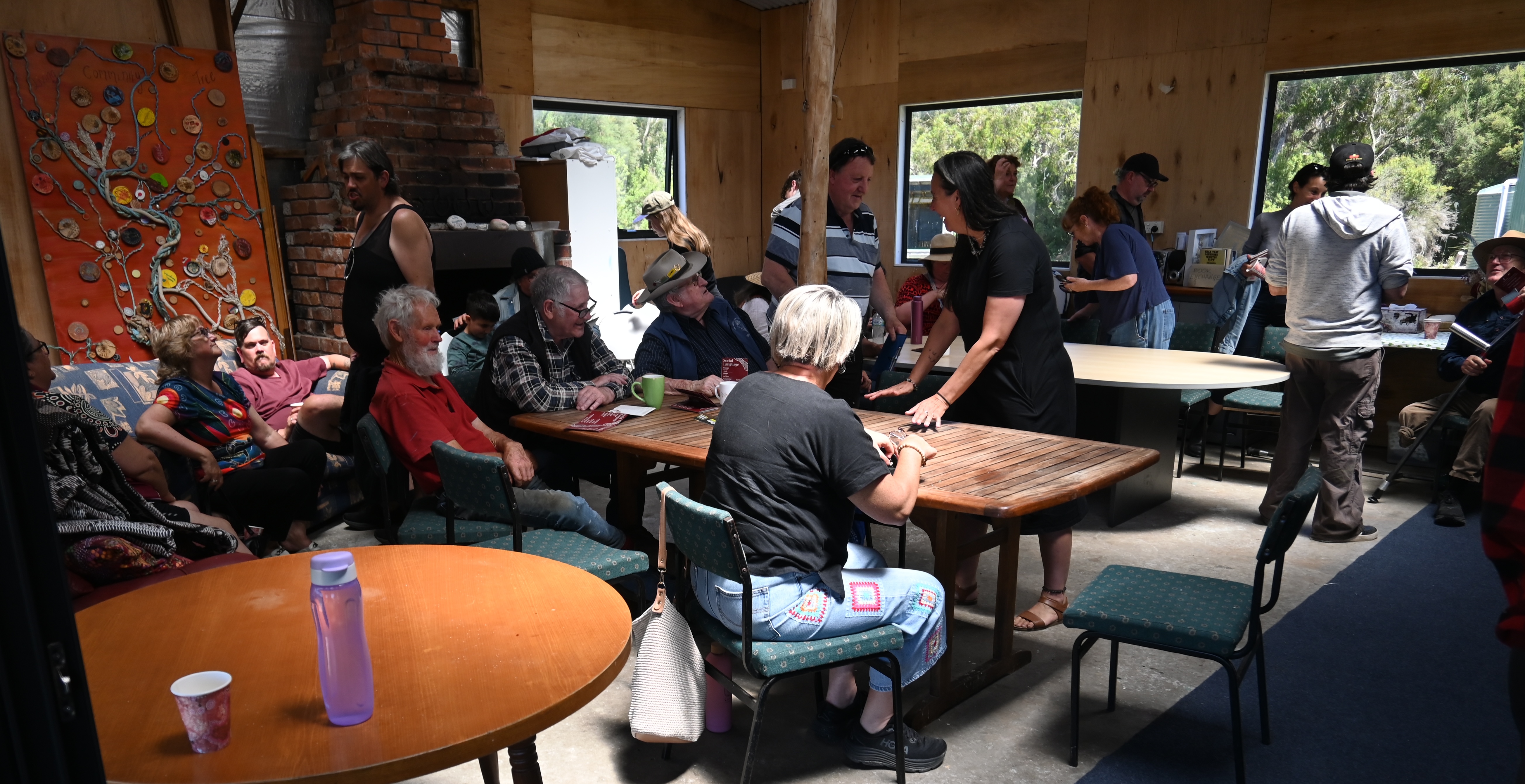
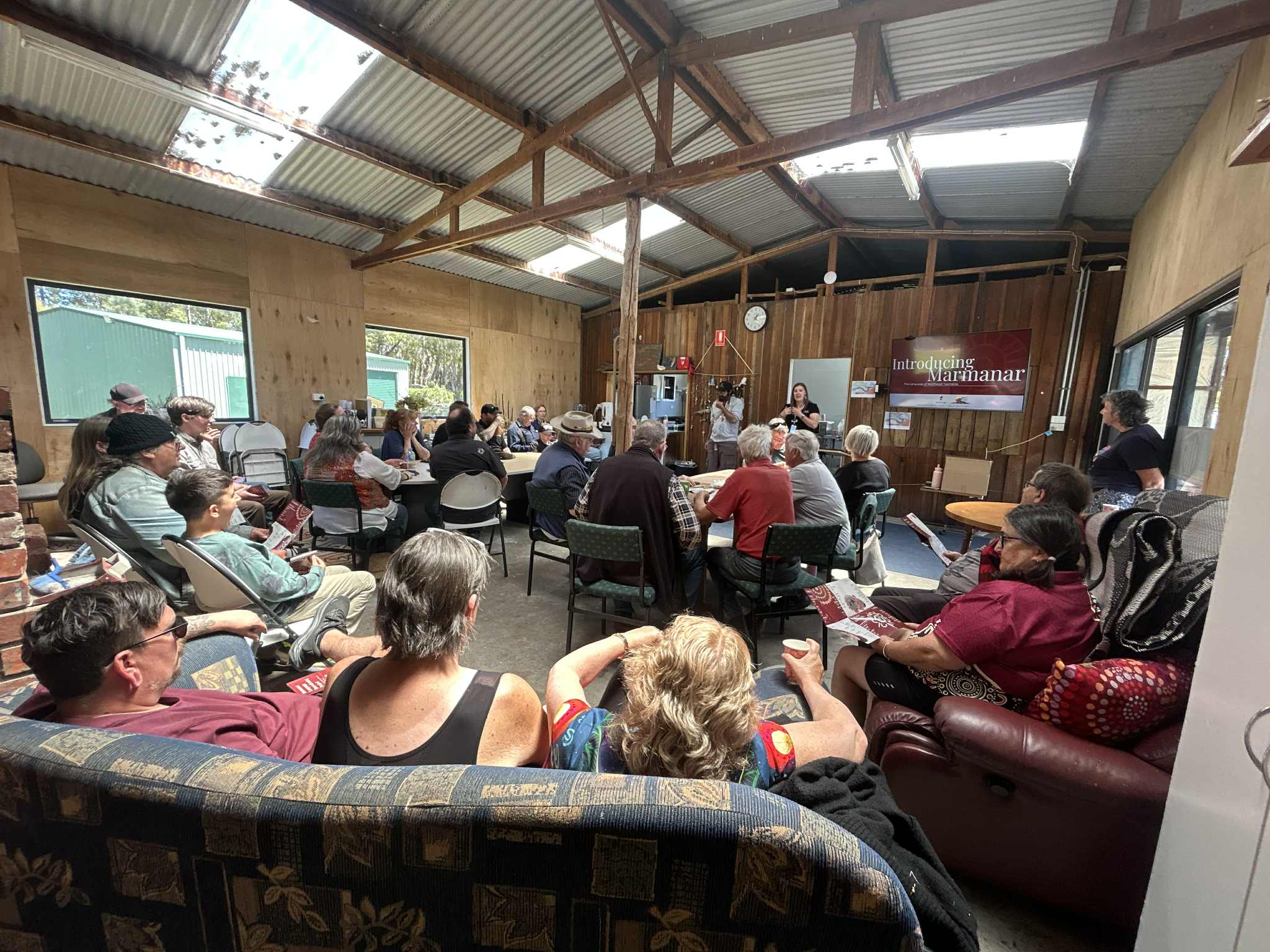
After being announced in December, the first 50 words of of Marmanar (ma-ma-nar), which translates to "my native tongue", were unveiled as part of the project's inaugural community language workshop, held as part of CHAC's recent Tunnerminnerwait Day.
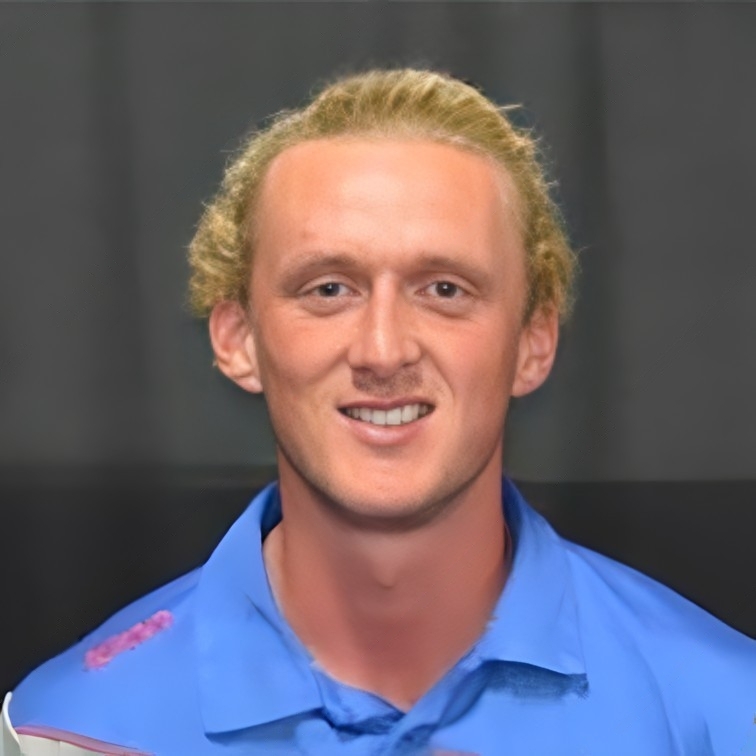
The session, attended by dozens of mob and allies, was led by Language Program Manager, Rochelle Godwin, and Community Language Coordinator, Steven Hefner.
Speaking with National Indigenous Times, Mr Hafner said "its really amazing" to hear people speaking Marmanar in the Circular Head area.
Prior to Marmanar's first public workshop, CHAC held in in-house session for staff to familiarise themselves with the language's orthography and first 50 words.
"That language hasn't been heard around here for more than 200 years," Mr Hafner told National Indigenous Times.
"And when you start speaking it, it generally gets a really good response. You see it hit people right in the heart."
CHAC said historical evidence suggests North-West Tasmania's 12 tribes each spoke distinct dialects however were bound by strong cultural, linguistic and family ties, forming what is nowadays recognised as a socio-linguistic network or commonly, a "nation".
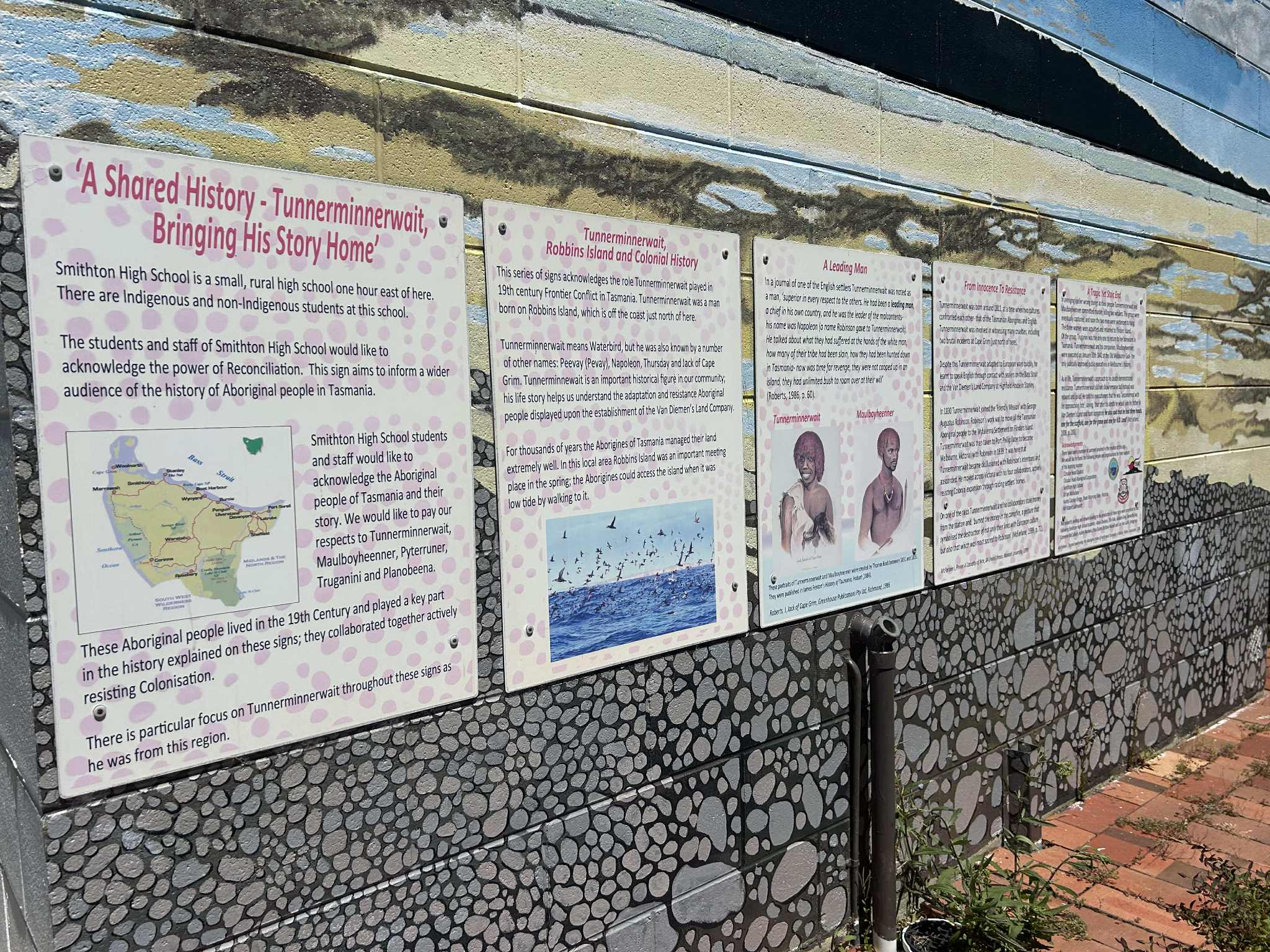
One off the richest sources of evidence are historical artefacts tied to Tunnerminnerwait, the Parperloihener clansman and resistance warrior from nearby Robbins Island.
Mr Hafner said source material connected to Tunnerminnerwait was "one of our favourites".
"We know who he is, we know he's from here, and we know he spoke English very well, and several Indigenous languages very well, so he's a really really good, reliable source," he said.
"Anytime we see in the source documents 'that word was spoken by Tunnerminnerwait', we're on that.
"He's important to use more broadly, culturally, for reasons everybody already knows about.
"But specifically for our language program, he's very very important to us and a big part of our work."
As the program's Community Language Coordinator, Mr Hafner is responsibly for implementing Marmanar language programs in the local community.
His role includes delivering workshops for adults, as well as visits to schools and childcare centres, where he says the reception is "very very positive".
"People are hungry for it," Mr Hafner said. "And we're often surprise how keen people are [for the language]."
Following linguistic and cultural analysis, Marmanar was chosen as the language's name after "mamana" (meaning tongue) was recorded by Danish adventurer Jorgen Jorgensen.
CHAC said when compared with other culturally significant words such as Country, mother, father, brother, and sister, all which begin with the "mar" sound, linguistics agreed the prefix signalled a deeper connection.
Language Program Manager, Rochelle Godwin, said being involved in the revitalisation of Marmanar has been "the most powerful thing I've ever been part of".
"The amount of messages and yarns that I've had with community through this experience has been overwhelming," Ms Godwin told National Indigenous Times.
"Of support, of pride, of that expression of eagerness and hunger that they have for this language."
Ms Godwin said the project is having a positive impact both locally and across the state.
"It all comes down to that connection, and not just connection to themselves, but to their identity, to the Country, to one another," she said.
"It has made the community so much stronger, and not just here in Circular Head, but from other Aboriginal organisations and communities in Tasmania all yarning with us about language now, and that empowerment has been profound."
Mr Hafner said mob in Tasmania's North-West are enjoying speaking Marmanar, the revived language often making people "very emotional".
"Because it is the traditional belief that people don't have languages, the Country has the language," he said.
"That's why we speak Marmanar here, because that's the language this Country generated.
"And so when you can speak language, on Country, it's very, very powerful."
Marmanar is being gradually unveiled to the public via the Circular Head Aboriginal Corporation's social media channels, with additional words to be announced in the future.



