



The launch of an Indigenous language revitalisation program has been announced by an Aboriginal corporation in Tasmania's far Northwest.
Tasmania's Circular Head Aboriginal Corporation announced 'Marmanar' on Wednesday, describing the program as "the reawakening of the sleeping language once spoken by the 12 tribes of the Northwest of Tasmania".
The project seeks to bring life back to the words, sounds and expressions of the Northwest nation, a group of tribes who the Corporation (CHAC) said were, and remain, culturally, linguistically and familiarly connected.
While colonisation disrupted the passing down of language, CHAC said the project aims to restore what was lost, guided by the principle that "language is culture, and culture is language".
Language Project Manager, Rochelle Godwin, said Northwest tribes didn't have a collective name for themselves as a nation, with their strength in the survival of their tribes and cultures which connected them.
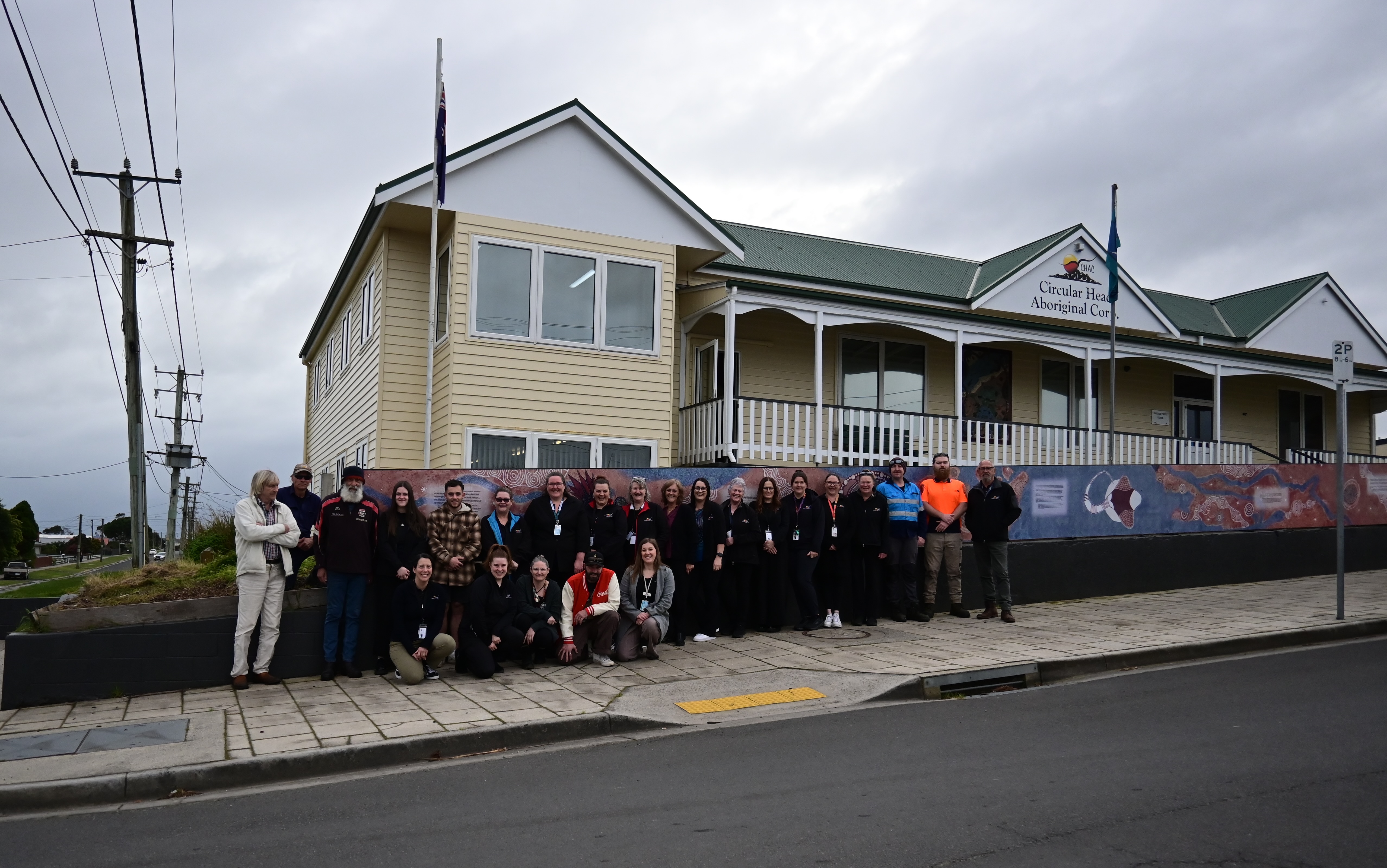
"Marmanar gives us a name that honours those connections and carries them forward," Ms Godwin said. "The name Marmanar carries both emotional and cultural power."
The 'reawakening' of Marmanar is the culmination of years of work, with generations of Elders, members, and staff contributing research, recordings, and archival insights.
In announcing Marmanar, CHAC paid tribute to the late Terry Cox, whose dedication laid the project's early foundations, and to Dr Ian McFarlane, for his guidance and mentorship during the project's formative stages.
CHAC said their influence continues to shape Marmanar's evolution.
"This is more than a language project; it's an act of reclamation and healing," Ms Godwin said.
"Marmanar reconnects us to the tribes of the Northwest, our Country, and to each other. It gives voice to what was silenced, and in doing so, breathes life back into our culture and identity."
Hundreds of translations discovered in historical records
In recent years, CHAC's language research has uncovered 420 potential English translations from historical records.
CHAC said from these, the organisation has developed a core set of 50 foundational words which have become the building blocks of Marmanar's emerging orthography (sound system) and soon, grammar.
A Community Language Committee (CLC), comprised of Elders and Community members has played a key advisory and governance role of Marmanar, with the program carefully designed to ensure Aboriginal ownership and community control remain central at every stage.
CHAC said its approach to the language revitalisation project "is both transparent and rigorous, designed to support peer review and to share knowledge with other language revitalisation projects across the state".
"Each entry in the dictionary will be directly linked to the original recordings from which Marmanar has been reconstructed, ensuring that the Language is preserved with integrity and care," CHAC said.
The CLC selected the name Marmanar, drawn from a historical record of the word mamana, meaning "tongue".
"Linguistic and Cultural analysis proposed that the prefix 'mar' to signify 'part of me or us' — a deeply fitting interpretation, symbolising 'my/our language' and the reconnection to self, Culture and Country," the Corporation noted.
The work has only just begun
The next phase of the Marmanar Language Program includes a community launch event, language workshops across the Northwest region, the development of culturally grounded learning resources, and the integration of language into schools and community programs.
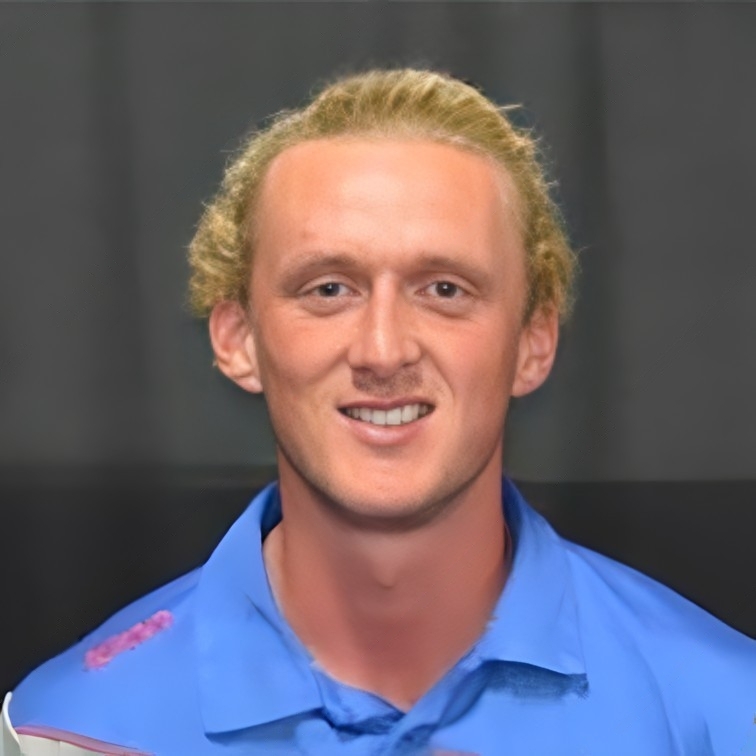
Community Language Coordinator, Stephen Hafner, said the focus now is on bringing language into everyday use.
"We want families to hear, speak and enjoy Marmanar together; in classrooms, at home, and in community gatherings," Mr Hafner said. "This is how language lives again."
CHAC said work to develop the language is, and always will be, Aboriginal-led and community-led, driven by "the collective determination to reclaim what was taken and to ensure future generations grow up hearing, speaking and celebrating Marmanar".



