


Fiji is helping steer global negotiations on how countries will finance and deliver a legally binding treaty to address plastic pollution, including in the marine environment.
The country is serving as co-facilitator for Cluster C, the part of the treaty negotiations focused on means of implementation.
The cluster covers finance, capacity building, technical assistance, technology transfer and international cooperation.
These areas are expected to shape how countries will carry out treaty commitments once the instrument is adopted.
Fiji's Permanent Secretary for Environment and Climate Change, Dr Sivendra Michael, is co-facilitating the work with Austria's Elfriede More.
The role places Fiji at the centre of discussions on how the future plastics treaty can be supported in practice, not only agreed in principle.
Dr Michael said support for implementation was central to the negotiations.
"As co-facilitator, my role has been to help guide a constructive discussion on how the future plastics treaty can be supported by a financial mechanism that is predictable, adequate, accessible and responsive to country needs," he said.
"The discussions have shown that ambition must be matched by implementation support, particularly for developing countries and Small Island Developing States."
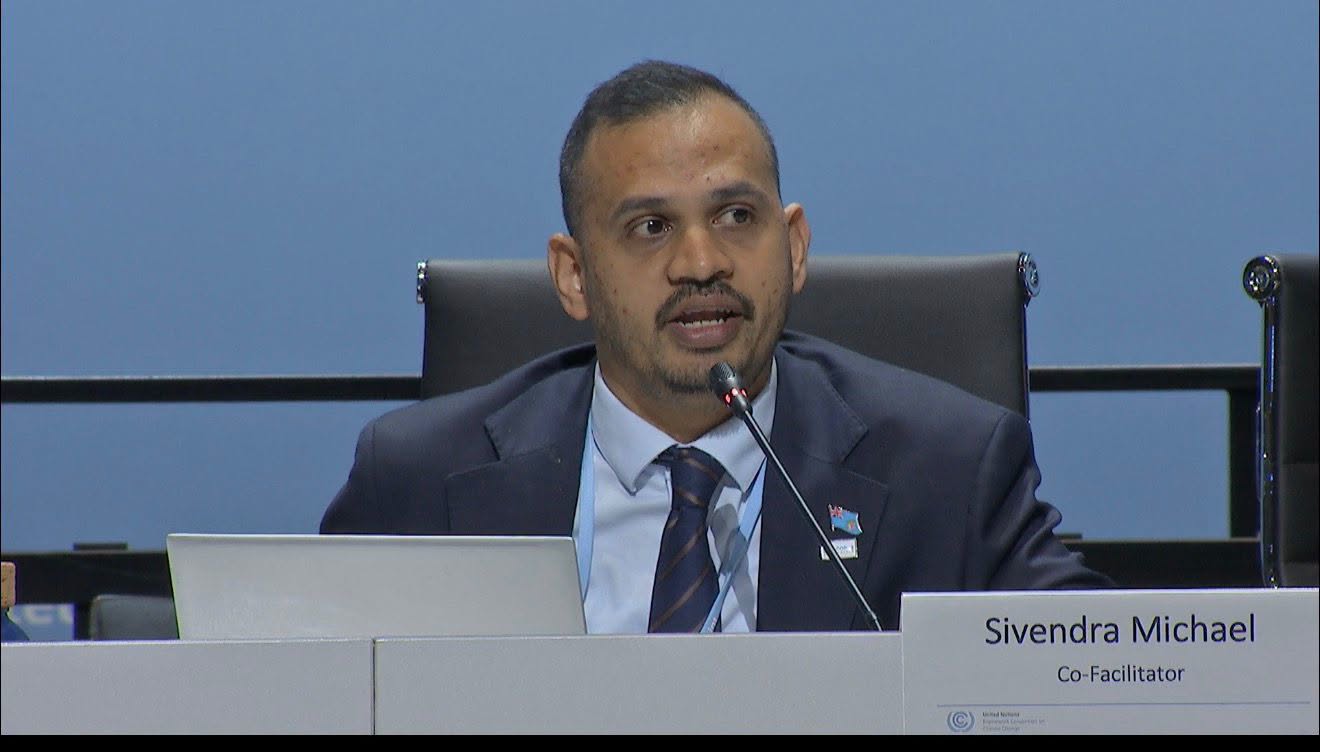
Fiji's Permanent Secretary for Environment and Climate Change and Cluster C Co Facilitator, Dr Sivendra Michael. (Image: SPREP)
The global process brings together more than 190 governments through the Intergovernmental Negotiating Committee, which is developing an international legally binding instrument to end plastic pollution.
The treaty process follows a historic resolution adopted in 2022 to develop a global instrument addressing plastic pollution, including its impacts on the marine environment.
The negotiations have moved through several sessions as governments work through the shape, obligations and delivery mechanisms of the proposed treaty.
For Pacific countries, the discussions are significant because they will influence how island states access practical support for waste management, pollution control and marine protection.
Plastic pollution remains a major pressure on marine and freshwater environments.
More than 19 million tonnes of plastic waste leaks into aquatic ecosystems each year, polluting lakes, rivers and seas.
More than 75 million tonnes of plastic is now estimated to be in the ocean.
Fiji's co-facilitation role comes as Pacific negotiators continue to push for a treaty that recognises the needs of countries with limited resources but high exposure to pollution and marine impacts.
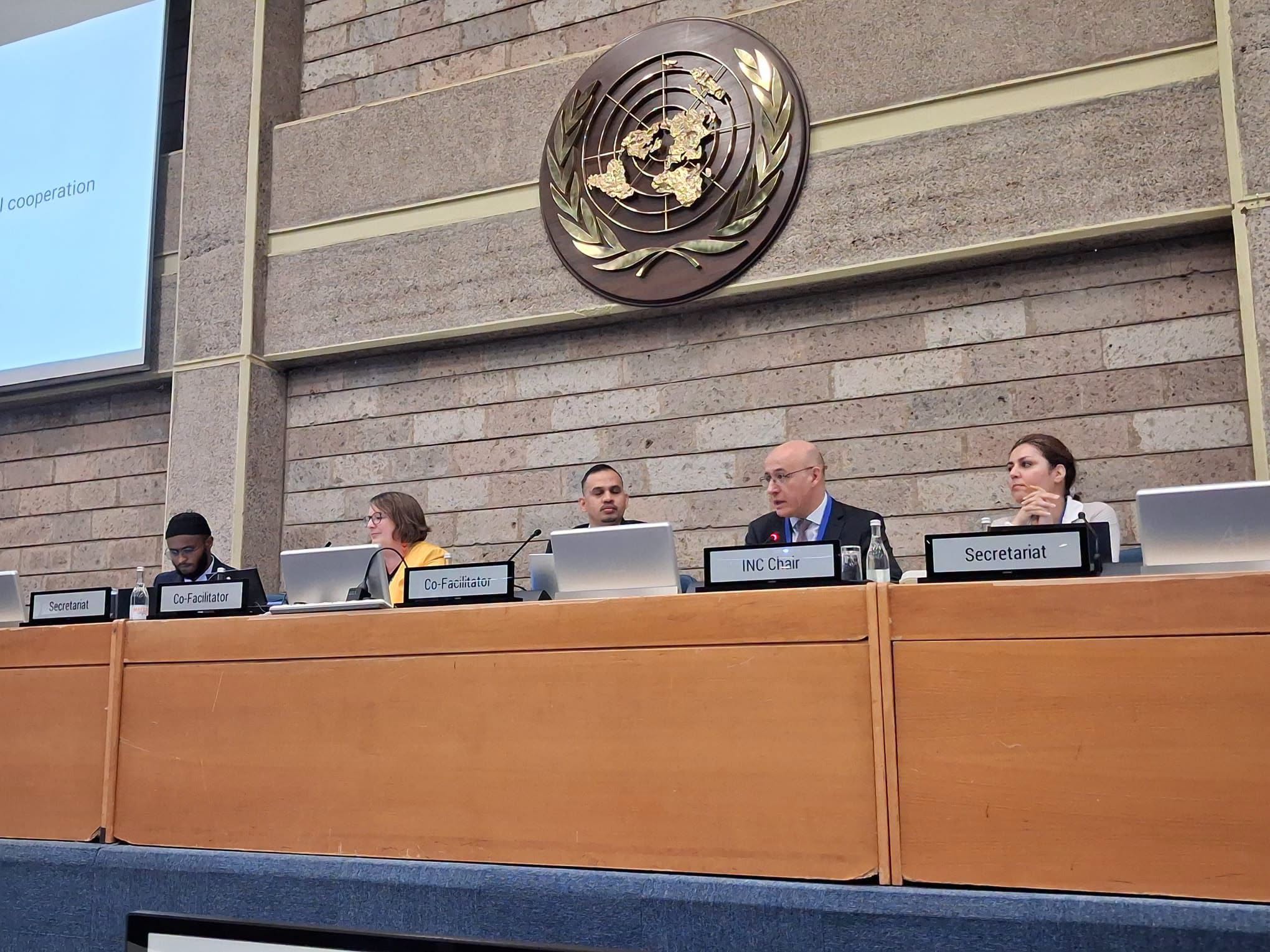
Co-facilitators and secretariat representatives during Intergovernmental Negotiating Committee talks on plastic pollution. (Image: SPREP)
Dr Michael said the work was focused on finding areas of agreement while recognising where countries still differed.
"Together with my co-facilitator, Ms Elfriede More of Austria, our focus is to help delegations identify areas of convergence, clarify differences, and move toward a credible finance outcome that can turn treaty commitments into real action," he said.
The Pacific has also been represented in leadership roles through Palau's Gwen Sisior, who has served as a co-facilitator in the treaty negotiations.
Ms Sisior has been involved in the process throughout the Intergovernmental Negotiating Committee and was previously co-chair of the Finance and Means of Implementation Contact Group.
Pacific countries represented in the process include the Cook Islands, Federated States of Micronesia, Fiji, Kiribati, Niue, Palau, Papua New Guinea, Samoa, Tonga, Tuvalu and Vanuatu.
The countries are supported by the Secretariat of the Pacific Regional Environment Programme.
For Fiji and other Pacific nations, the outcome will help determine whether the final treaty can meet the scale of the pollution challenge while supporting the countries most affected by its environmental impacts.



